The world of restful sleep hinges on quality bedding, and at its core lies the often-underestimated single bed sheet set. Beyond simply covering a mattress, a good single bed sheet set contributes significantly to sleep hygiene, comfort, and even overall health. Globally, the demand for comfortable and affordable bedding is consistently high, fueled by growing populations and an increasing awareness of the importance of sleep. Understanding the nuances of single bed sheet sets – from materials and weave to thread count and care – is crucial for consumers seeking a restorative night's rest.
The global textile industry, a multi-trillion dollar market, sees bedding as a significant segment. According to the World Bank, demand for home textiles is particularly strong in emerging economies with expanding middle classes. However, concerns about sustainable production practices and ethical sourcing are becoming increasingly prevalent, influencing consumer choices within the single bed sheet set market. Manufacturers are responding with innovations in eco-friendly materials and transparent supply chains.
The increasing emphasis on wellness and self-care further drives the demand for high-quality bedding. Individuals are investing more in creating comfortable and relaxing bedroom environments, and the single bed sheet set is a foundational element of this investment. This trend has led to a diversification of the market, with options ranging from basic, affordable sets to luxury, specialized offerings.
The Importance of Single Bed Sheet Sets
A single bed sheet set represents more than just a functional necessity; it’s a cornerstone of comfortable and hygienic sleep. The direct contact with skin throughout the night makes the quality of the sheets a significant factor in overall wellbeing. Investing in a good set can improve sleep quality, reduce skin irritation, and enhance the overall bedroom environment.
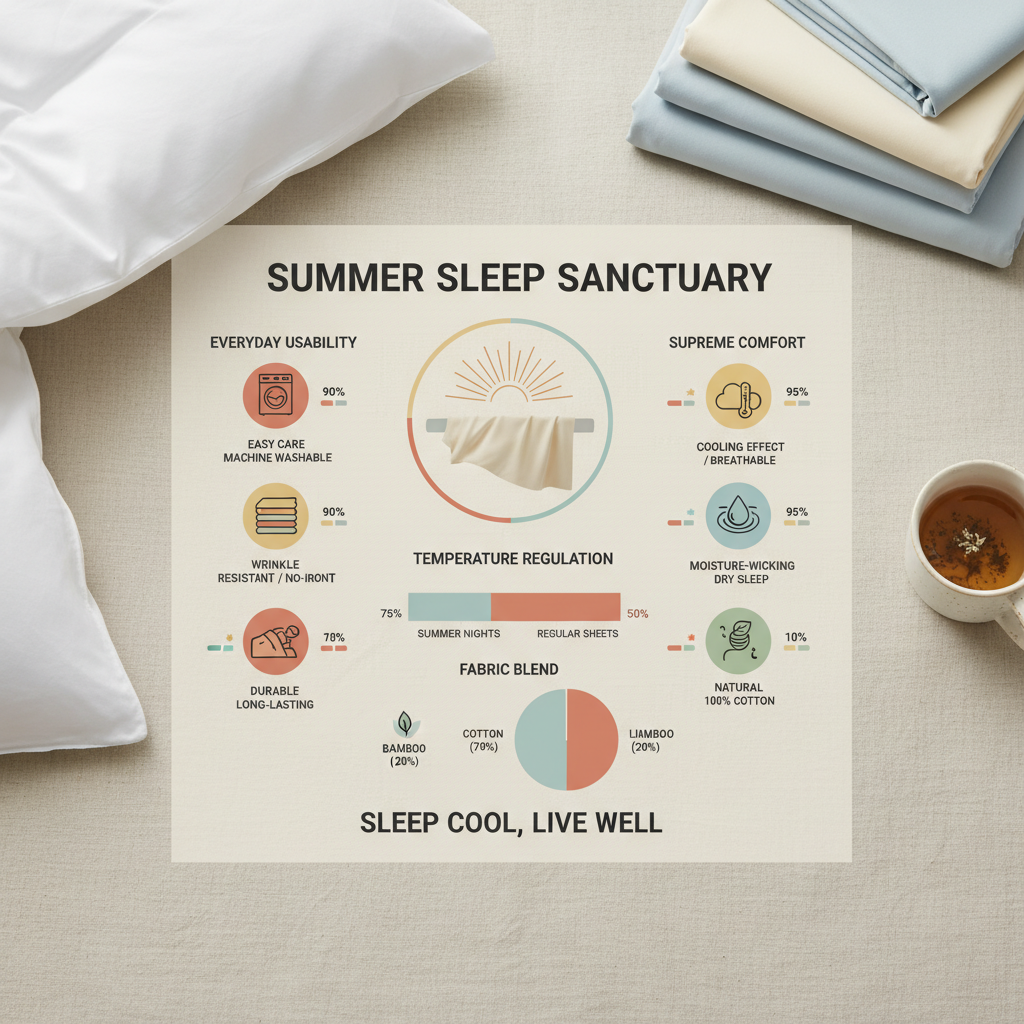
Furthermore, the choice of material impacts breathability and temperature regulation. Different fabrics offer varying levels of comfort depending on the climate and personal preferences. From the crisp coolness of percale cotton to the silky softness of sateen, the right single bed sheet set can transform the sleep experience.
Defining a Single Bed Sheet Set
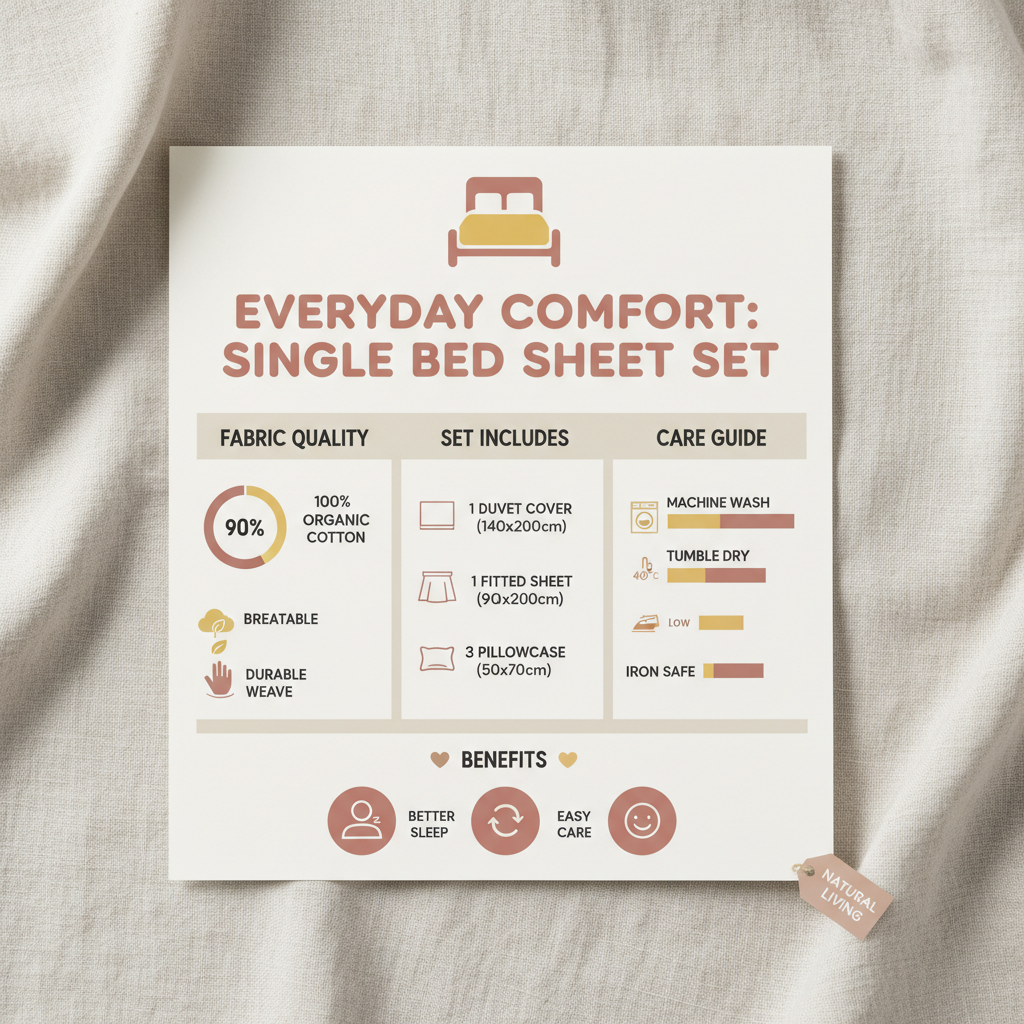
A single bed sheet set typically includes a fitted sheet, a flat sheet, and one or two pillowcases, specifically designed for a single-size bed (typically 90cm x 190cm or similar, depending on regional standards). These sets are readily available in a variety of materials, colors, and patterns to suit different tastes and budgets. The primary function of a sheet set is to provide a clean and comfortable layer between the sleeper and the mattress, protecting both from wear and tear and promoting hygiene.
The modern sheet set evolved from earlier bedding practices, initially focusing on practicality and protection. Over time, aesthetic considerations and comfort became increasingly important, driving innovation in materials and weaving techniques. Today, a quality single bed sheet set is often considered an essential component of a well-appointed bedroom.
Beyond the basic components, some sets may also include extras like extra pillowcases, or even duvet covers, depending on the brand and price point. The core purpose, however, remains consistent: to provide a comfortable and hygienic sleeping surface.
Key Factors Influencing Quality
Several factors determine the quality of a single bed sheet set. These include the material used, the weave of the fabric, the thread count, and the finishing process. Understanding these elements allows consumers to make informed choices and select a set that meets their specific needs and preferences.
Material is arguably the most crucial factor. Cotton is the most popular choice, renowned for its breathability, softness, and durability. However, different types of cotton – such as Egyptian, Pima, and Upland – offer varying levels of quality. Other materials like linen, silk, and microfiber are also used, each with its own unique properties.
Weave affects the feel and appearance of the sheets. Common weaves include percale, sateen, and twill. Percale is known for its crisp, cool feel, while sateen offers a silky-smooth texture. Thread count, although often emphasized, is not the sole indicator of quality; the quality of the yarn is equally important.
Material Composition and Weave
The material composition of a single bed sheet set profoundly impacts its performance and longevity. Cotton remains dominant, but variations like Egyptian cotton, prized for its long staple fibers, offer superior softness and durability. Linen, derived from flax, provides excellent breathability and a relaxed, textured feel, making it ideal for warmer climates.
Fabric weave dictates the sheet's texture and drape. Percale boasts a matte finish and crisp hand, ideal for hot sleepers, while sateen’s lustrous surface and smooth texture offer a luxurious feel. Twill, characterized by a diagonal rib pattern, is known for its strength and resistance to wrinkles. Selecting the right weave hinges on personal preference and desired comfort level.
Comparison of Single Bed Sheet Set Materials
Global Applications and Market Trends
The demand for single bed sheet sets is universal, though regional preferences vary. In North America and Europe, cotton remains the dominant material, with a growing interest in organic and sustainable options. Asia-Pacific represents a rapidly expanding market, driven by increasing disposable incomes and urbanization.
E-commerce has significantly impacted the bedding industry, providing consumers with greater access to a wider range of brands and products. Social media marketing and online reviews play a crucial role in influencing purchasing decisions. The rise of direct-to-consumer brands has also disrupted traditional retail models.
Advantages and Long-Term Value
Investing in a high-quality single bed sheet set offers numerous advantages beyond immediate comfort. Durable materials like long-staple cotton withstand frequent washing, extending the lifespan of the sheets and reducing the need for frequent replacements. This translates into long-term cost savings.
Furthermore, choosing hypoallergenic and breathable materials can improve sleep quality and reduce skin irritation, contributing to overall health and wellbeing. A well-chosen sheet set adds a touch of luxury and sophistication to the bedroom, enhancing the overall aesthetic appeal.
The ethical and environmental impact of bedding choices is also gaining importance. Supporting brands committed to sustainable sourcing and responsible manufacturing practices aligns with consumer values and contributes to a more sustainable future.
Future Innovations in Bedding Technology
The bedding industry is witnessing exciting innovations driven by technological advancements and a growing emphasis on personalization. Smart fabrics with temperature-regulating properties are emerging, promising enhanced sleep comfort. Antimicrobial finishes are being developed to reduce the growth of bacteria and allergens.
Digital printing technologies allow for intricate and customized designs, catering to individual tastes and preferences. The integration of sensors into bedding is also being explored, with the potential to monitor sleep patterns and provide personalized recommendations for improving sleep quality.
Sustainable materials and manufacturing processes will continue to be a focus, with a growing emphasis on circular economy principles and waste reduction. The future of single bed sheet sets is poised to be more comfortable, personalized, and sustainable than ever before.
Analysis of Factors Influencing Single Bed Sheet Set Longevity
| Material Type |
Wash Frequency |
Weave Density |
Overall Durability Score (1-10) |
| Egyptian Cotton |
Weekly |
600 Thread Count |
9 |
| Pima Cotton |
Bi-Weekly |
400 Thread Count |
8 |
| Linen |
Monthly |
150 Thread Count |
7 |
| Microfiber |
Weekly |
90 Thread Count |
5 |
| Bamboo Viscose |
Weekly |
300 Thread Count |
7 |
| Cotton Blend |
Weekly |
500 Thread Count |
6 |
FAQS
While a higher thread count often indicates softness, it isn't the sole determinant of quality. Between 200-600 is generally considered ideal for a single bed sheet set, with the quality of the yarn being equally important. Above 600, the benefits diminish and can even suggest misleading marketing practices.
Washing your single bed sheet set once a week is generally recommended to remove dust mites, allergens, and body oils. However, those who sweat heavily or have sensitive skin may want to wash them more frequently. Always follow the care instructions on the label.
Percale has a matte finish and a crisp, cool feel, created through a plain weave. Sateen, on the other hand, has a silky-smooth texture and a subtle sheen due to its unique weave. Percale is ideal for hot sleepers, while sateen offers a more luxurious feel.
Authentic Egyptian cotton, known for its long staple fibers, is exceptionally soft, durable, and breathable. However, it's crucial to verify authenticity, as mislabeling is common. A genuine single bed sheet set made from Egyptian cotton is a worthwhile investment for long-term comfort and quality.
Wash your sheets in cool water with a gentle detergent, avoiding bleach. Tumble dry on low heat or hang to dry. Rotate between multiple sets to reduce wear and tear on any one set. Properly storing sheets when not in use can also extend their lifespan.
For sensitive skin, opt for natural, hypoallergenic materials like organic cotton, linen, or bamboo viscose. Avoid synthetic fabrics and harsh detergents. Look for Oeko-Tex certified sheets, which are tested for harmful substances.
Conclusion
In conclusion, the single bed sheet set is a foundational element of a comfortable and healthy sleep environment. Understanding the factors influencing quality – from material and weave to thread count and care – empowers consumers to make informed choices that enhance their wellbeing and contribute to a more restful night’s sleep. Investing in a high-quality set offers long-term value, durability, and a touch of luxury.
As technology and sustainability concerns continue to evolve, the future of bedding promises even greater innovation and personalization. By prioritizing comfort, quality, and ethical sourcing, we can ensure that our sleep environments are not only restorative but also aligned with our values. Visit our website to explore a wide selection of high-quality single bed sheet sets: www.linenhometex.com