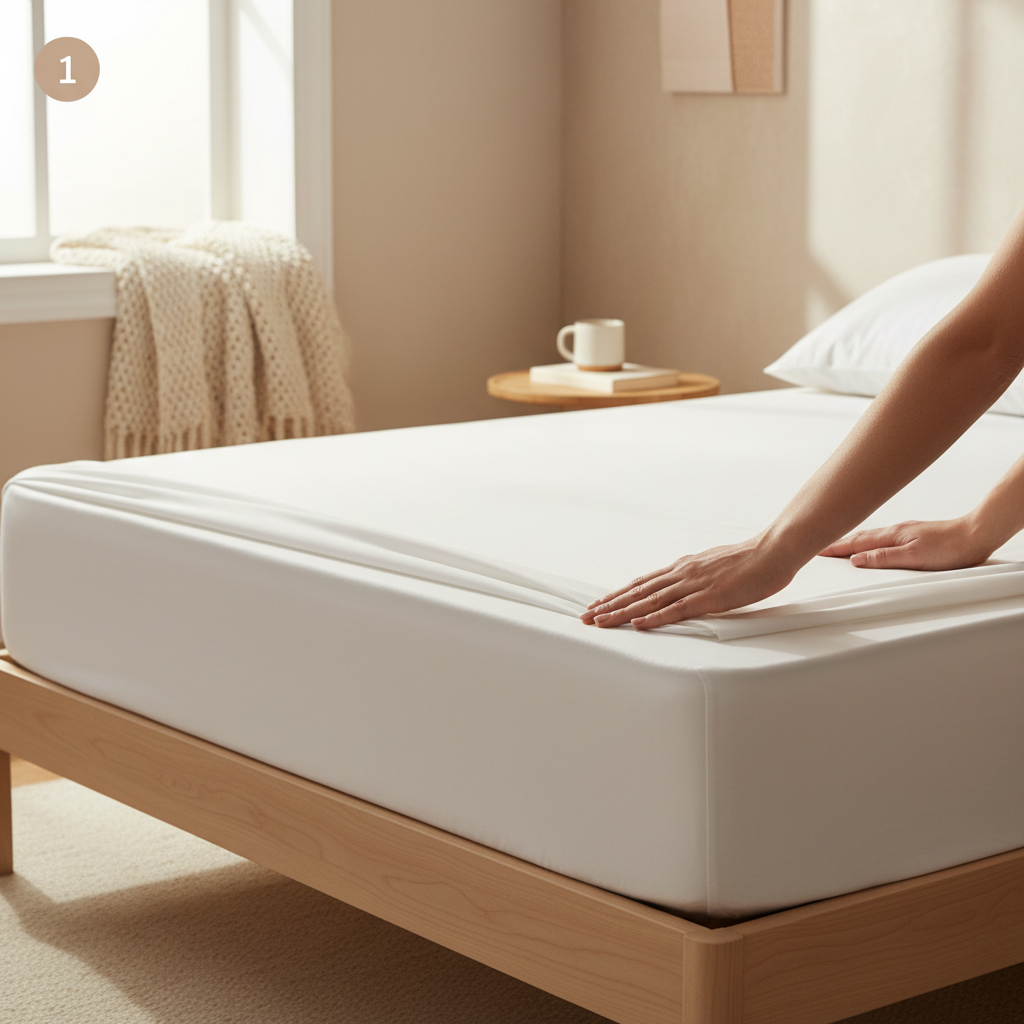
Look, I’ve spent the last twenty years breathing concrete dust and arguing with contractors. I’ve seen a lot of bedding in hotels – everything from threadbare nightmares to stuff that feels like sandpaper. When you’re building a hotel, or renovating, you don’t just want ‘bedding,’ you want a system. A bed sheet bedding set for hotel that holds up to industrial laundry, looks good night after night, and doesn’t bankrupt you replacing it every six months. That's what we're talking about here.
Hotels are brutal on linens. We’re talking constant washing, staining, high occupancy rates, and a whole lot of wear and tear. You can’t put just any sheets on a bed and expect them to last. It needs to be about smart materials, construction, and frankly, a little bit of overkill. We’ve got to think long-term ROI, not just the cheapest price per sheet.
And it's not just the sheets themselves. It’s the whole set – fitted sheets, flat sheets, pillowcases. They need to work together, feel consistent, and be easy for housekeeping to manage. If a housekeeper is wrestling with a fitted sheet every morning, that impacts efficiency and ultimately, guest experience. That's where a dedicated bed sheet bedding set for hotel comes in – a cohesive package, designed to handle the real world.
The Importance of Hotel Bedding
Let's be real. Guests judge a hotel on a few key things: location, cleanliness, and how comfortable the bed is. That last one is huge. A bad mattress gets complaints, sure, but cheap, scratchy sheets? That’s a guaranteed negative review. We’re not just talking about comfort; we’re talking about perception. A quality bed sheet bedding set for hotel conveys luxury and attention to detail.
The global hospitality industry is a multi-trillion dollar market. Even a small improvement in guest satisfaction, driven by something as simple as better bedding, can translate to significant revenue increases and brand loyalty. It's not an expense; it’s an investment.
Defining a Hotel Bed Sheet Bedding Set
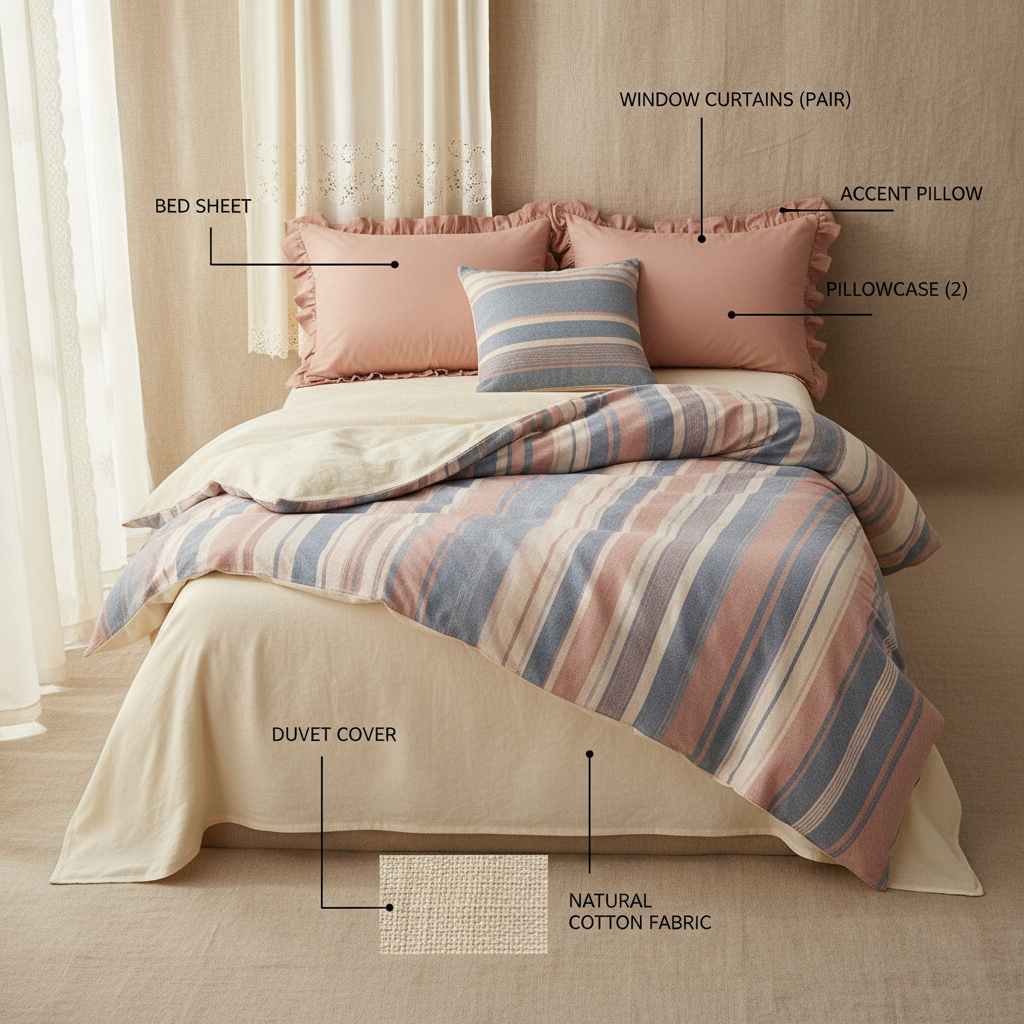
A bed sheet bedding set for hotel isn’t just a collection of sheets thrown into a box. It’s a coordinated system specifically designed for the demands of a hotel environment. Typically, this includes a fitted sheet, a flat sheet, one or more pillowcases, and sometimes a duvet cover. Crucially, all components are made from the same materials and construction, ensuring a consistent feel and look.
It’s also about standardized sizing. Hotels need bulk orders, and they need everything to fit. A well-defined set takes the guesswork out of ordering and ensures compatibility. It simplifies inventory management for housekeeping and reduces the risk of mismatched bedding.
Think of it like this: you wouldn't build a skyscraper with mismatched materials. You need a cohesive system. The same applies to hotel bedding. It’s a foundational element of the guest experience, and it needs to be treated as such.
Key Factors in Hotel Bedding Selection
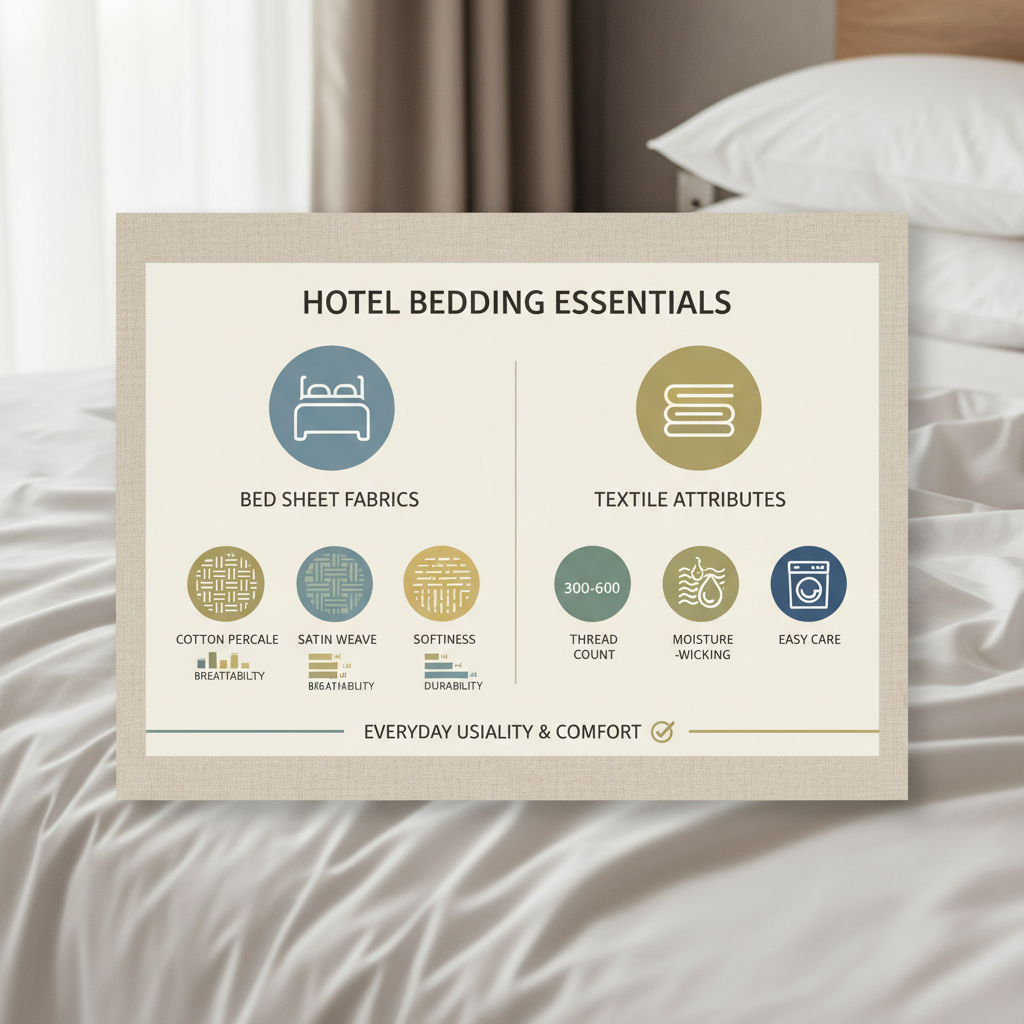
First, Durability. This is number one. We're talking thread count, weave, and fiber content. Long-staple cotton, like Egyptian or Pima, is king here. A percale weave is generally more durable than sateen, though sateen feels nicer. You’ve got to balance comfort with longevity.
Next, Washability. Hotel linens are washed constantly. You need fabrics that can withstand high temperatures, harsh detergents, and industrial dryers without fading, shrinking, or tearing. Polyester blends can add durability, but they also sacrifice some of that luxurious feel.
Then there's Cost-Effectiveness. This isn’t just about the upfront price. It’s about the total cost of ownership. A cheaper set that needs replacing every year is far more expensive in the long run than a higher-quality set that lasts three or four years.
Guest Comfort is critical. It’s a balancing act between durability and a pleasant tactile experience. Nobody wants to sleep on something that feels like cardboard.
Stain Resistance is often overlooked. Look for fabrics with inherent stain-resistant properties or consider treatments that can be applied. Less staining means less replacement.
Finally, Sustainability. More and more hotels are looking for eco-friendly options, like organic cotton or recycled materials. This is driven by both guest demand and corporate responsibility.
Global Applications of Hotel Bedding
You'll find high-quality bed sheet bedding set for hotel in everything from five-star resorts in Dubai to boutique hotels in Paris. The demand is truly global. In regions with high tourism rates, like the Caribbean and Southeast Asia, hotels are particularly focused on providing a luxury experience, and bedding plays a key role.
Large hotel chains, like Marriott and Hilton, often have strict bedding standards across all their properties to ensure brand consistency. They’ll negotiate bulk contracts with suppliers to get the best possible pricing. Independent hotels, on the other hand, have more flexibility but may lack the purchasing power of the big chains.
We’ve seen increasing demand for specialized bedding in niche markets, such as eco-lodges and wellness retreats. These properties often prioritize sustainable materials and hypoallergenic options. Even in disaster relief situations, providing clean and comfortable bedding can make a significant difference for displaced individuals.
Bed Sheet Bedding Set for Hotel - Key Performance Indicators
Advantages and Long-Term Value
The tangible benefits are clear: reduced replacement costs, lower laundry expenses (durable fabrics require less frequent washing), and increased guest satisfaction. But it goes deeper than that. A consistent, high-quality bedding experience builds trust with your guests. They associate comfort and quality with your brand.
From a sustainability perspective, investing in durable bedding reduces textile waste. It's a simple way to minimize your environmental impact. And from a human perspective, providing comfortable bedding shows your guests that you care about their well-being. That's good for business, and it's just the right thing to do.
Future Trends in Hotel Bedding
We’re seeing a growing interest in antimicrobial fabrics that inhibit the growth of bacteria and allergens. This is particularly relevant in a post-pandemic world. Smart textiles are also on the horizon – fabrics that can regulate temperature or even monitor sleep patterns.
Expect to see more hotels adopting circular economy models, where bedding is leased rather than purchased, and recycled at the end of its life cycle. And of course, the demand for sustainable materials will continue to grow. Hotels are realizing that sustainability isn't just a marketing buzzword; it's a business imperative.
Challenges and Solutions
One of the biggest challenges is balancing cost and quality. Hotel budgets are tight, and it's tempting to go with the cheapest option. But as I’ve said before, that’s a false economy. Another challenge is sourcing reliable suppliers who can consistently deliver high-quality products on time.
The solution? Due diligence. Thoroughly vet your suppliers, request samples, and visit their facilities if possible. Don't be afraid to negotiate, but remember that quality comes at a price. And finally, invest in a long-term partnership with a supplier who understands your needs and is committed to your success.
We also see challenges in supply chain disruptions. Diversifying your supply base and maintaining buffer stock can help mitigate these risks. Ultimately, a proactive approach to bedding management is essential for ensuring a positive guest experience and protecting your bottom line.
Summary of Hotel Bedding Supply Chain Management Challenges and Solutions
| Challenge |
Impact on Hotel Operations |
Potential Solutions |
Implementation Cost (1-10) |
| Supplier Reliability |
Delayed deliveries, inconsistent quality |
Supplier vetting, contract negotiation, relationship building |
4 |
| Cost Management |
Budget constraints, pressure to reduce expenses |
Long-term contracts, bulk purchasing, value analysis |
6 |
| Supply Chain Disruptions |
Inventory shortages, price increases |
Diversification of suppliers, buffer stock, demand forecasting |
7 |
| Quality Control |
Guest complaints, negative reviews |
Strict quality standards, regular inspections, guest feedback monitoring |
5 |
| Sustainability Concerns |
Environmental impact, negative brand perception |
Sustainable sourcing, eco-friendly materials, circular economy models |
8 |
| Inventory Management |
Overstocking, obsolescence, storage costs |
Demand forecasting, Just-in-Time inventory, efficient storage solutions |
3 |
FAQS
Forget the super-high thread counts. Above 300-400, you're often paying for marketing. What matters more is the fiber content—long-staple cotton is key—and the weave. Durability and washability are far more important in a hotel setting than a ridiculously high thread count that won't hold up. It is also imperative to consider the cost-effectiveness.
It depends on usage and quality, but generally, fitted sheets and pillowcases need replacing every 1-2 years. Flat sheets can last a little longer, maybe 2-3 years. Duvet covers, if properly cared for, can last 3-5 years. Watch for signs of wear and tear – thinning fabric, pilling, and discoloration. Proactive replacement is cheaper than guest complaints.
100% long-staple cotton is ideal for luxury hotels, but a cotton-polyester blend (65/35 or 80/20) offers excellent durability and wrinkle resistance at a lower price point. The key is finding a blend that maintains a comfortable feel while standing up to frequent washing.
Increasingly, yes. Guests are more environmentally conscious and are willing to pay a premium for sustainable products. It's also a good PR move. Look for certifications like GOTS (Global Organic Textile Standard) to ensure authenticity. The initial investment may be higher, but you'll benefit from positive brand perception and potential cost savings on waste disposal.
Always verify the exact mattress dimensions. Standard hotel beds (double, queen, king) have consistent sizes, but mattress heights can vary. Fitted sheets need to have a deep enough pocket to accommodate thicker mattresses. Measure carefully to avoid frustrating housekeeping and unhappy guests.
Follow the manufacturer’s instructions carefully. Use a high-quality detergent specifically designed for commercial laundry. Avoid harsh chemicals like bleach, which can damage the fibers. Proper sorting and folding are also crucial. And make sure your laundry equipment is well-maintained.
Conclusion
Investing in the right bed sheet bedding set for hotel isn’t just about buying sheets; it’s about investing in the guest experience, building brand loyalty, and protecting your bottom line. It’s a critical component of a successful hospitality operation. Focus on durability, washability, and cost-effectiveness, and don’t be afraid to spend a little more for quality.
The future of hotel bedding is about sustainability, innovation, and a commitment to providing guests with the most comfortable and restful experience possible. Keep an eye on emerging technologies and materials, and don’t hesitate to experiment with new approaches. Visit our website at www.linenhometex.com to explore our range of high-quality hotel bedding solutions.