Summer bed sheet sets are essential for comfortable sleep during warmer months. Beyond basic comfort, choosing the right summer bed sheet set impacts sleep quality, skin health, and even home aesthetics. Understanding the nuances of fabric types, weaves, and thread counts allows consumers to make informed decisions, leading to a more restful and enjoyable summer experience. With rising temperatures globally, the demand for breathable and lightweight bedding continues to increase, making the selection of an appropriate summer bed sheet set increasingly important.
The global textile industry, and specifically the bed linen segment, is a multi-billion dollar market experiencing steady growth. Factors driving this growth include increasing disposable incomes, rising awareness of sleep health, and the influence of interior design trends. According to Statista, the global home textile market was valued at approximately $95 billion in 2023 and is projected to reach over $120 billion by 2028. A key driver within this market is the seasonal demand for specialized products like summer bed sheet set, reflecting a consumer desire for optimized sleep environments.
However, the industry faces challenges related to sustainability and ethical sourcing. Consumers are increasingly seeking eco-friendly options and transparency in supply chains. This creates a need for manufacturers to adopt sustainable practices, use organic materials, and prioritize fair labor conditions. Choosing a reputable brand that prioritizes these values ensures a responsible purchase, contributing to a more sustainable and ethical bedding industry.
Defining Summer Bed Sheet Sets
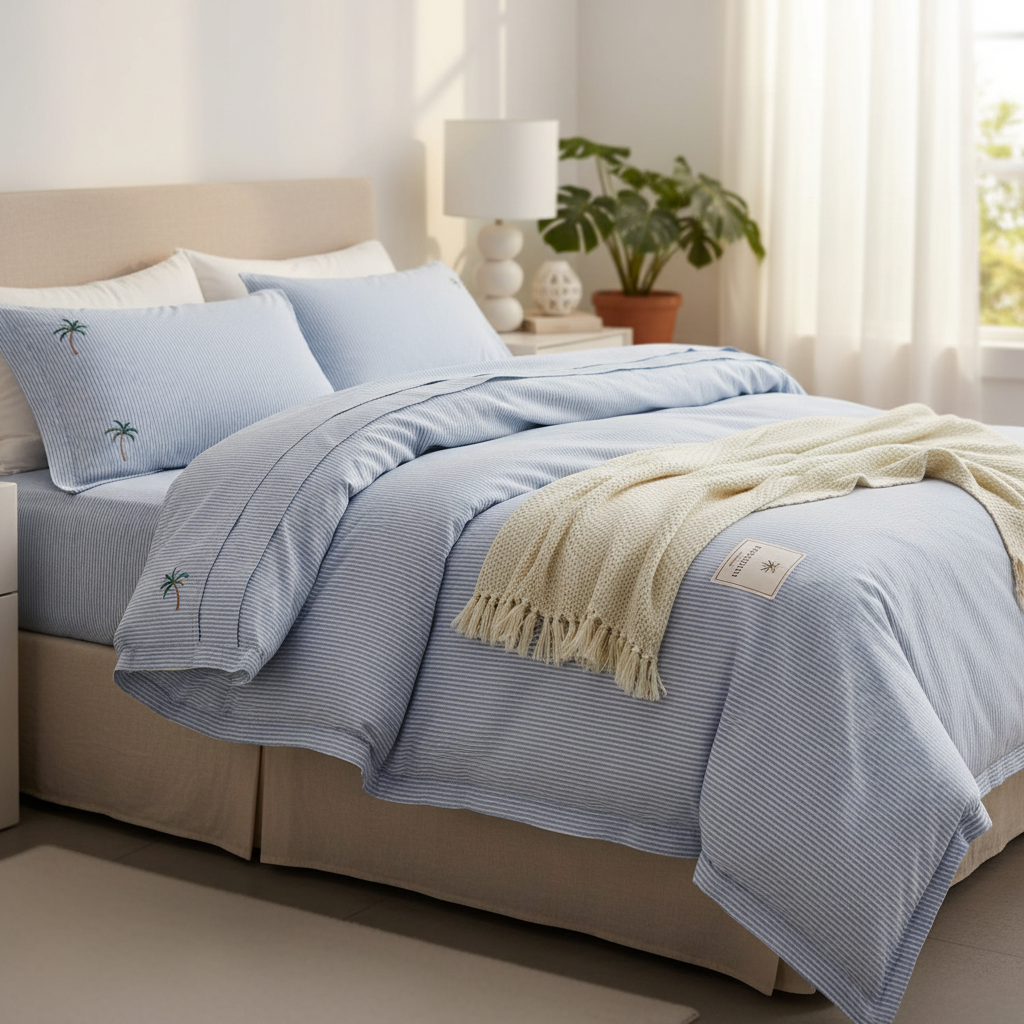
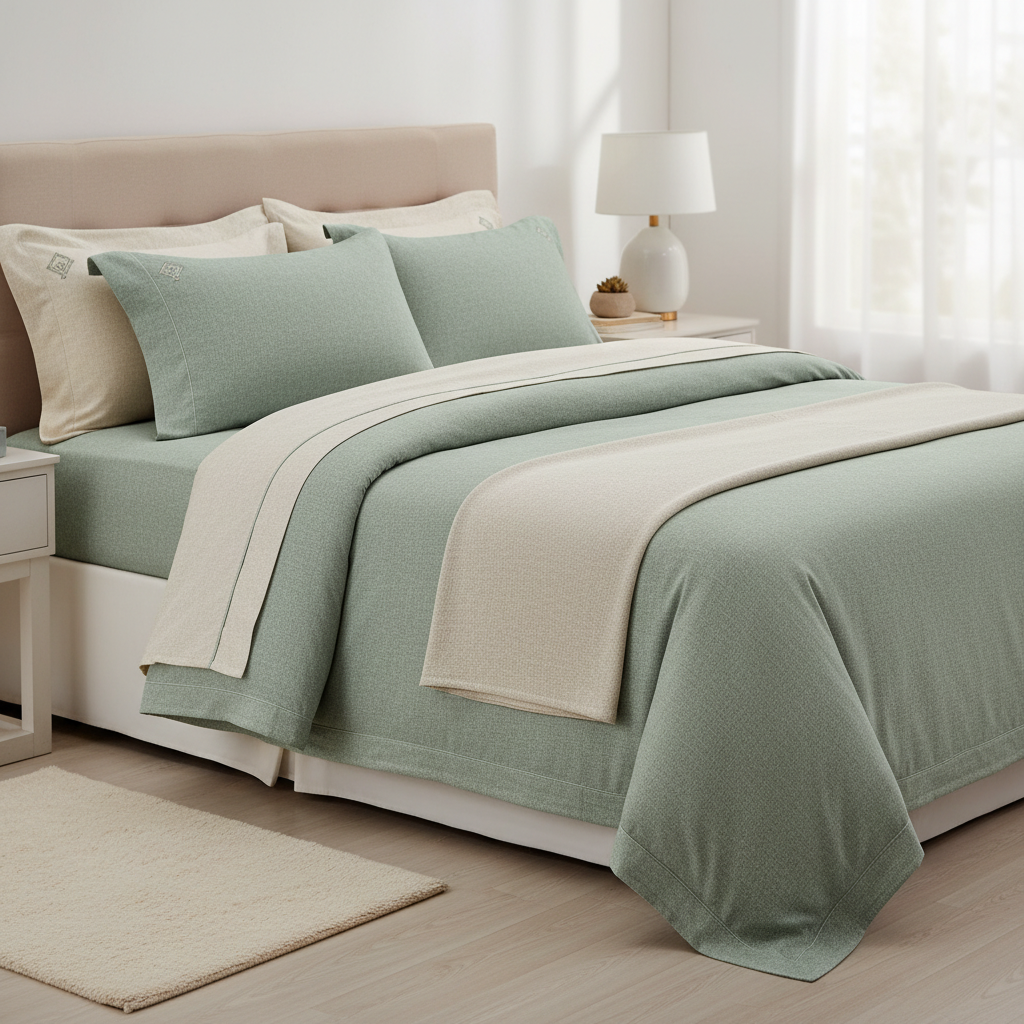
A summer bed sheet set is specifically designed to provide cooling comfort during warmer sleep conditions. Unlike heavier, flannel or thicker cotton sheets, these sets prioritize breathability and moisture-wicking properties. They are typically made from lightweight materials like linen, percale cotton, or specialized blends. The goal is to regulate body temperature and prevent overheating, leading to a more restful night’s sleep.
The relevance to modern industry lies in the growing demand for functional textiles that cater to specific consumer needs. Manufacturers are responding by investing in innovative materials and weaving techniques to create high-performance bedding. The shift towards prioritizing sleep quality has fueled this demand, making summer bed sheet set a crucial product category in the textile sector.
The Global Context of Summer Bedding
The demand for summer bedding, including summer bed sheet set, is heavily influenced by global climate patterns and changing lifestyles. Regions experiencing increasingly hot summers, due to climate change, are seeing a surge in demand for cooling bedding solutions. Countries in Asia, Africa, and parts of North America are particularly affected. This increased demand presents opportunities for both established textile manufacturers and emerging brands.
Moreover, globalization has increased consumer awareness of different bedding materials and styles. Online retail platforms facilitate access to a wider range of summer bed sheet set options from around the world. This has led to a more competitive market, driving innovation and a focus on quality and affordability.
The UN Sustainable Development Goals (SDGs) also play a role, influencing the industry to adopt more sustainable manufacturing practices. Consumers are increasingly seeking bedding made from organic cotton or recycled materials, and manufacturers are responding to these demands to align with global sustainability initiatives.
Core Characteristics of Summer Bed Sheet Sets
The defining characteristic of a summer bed sheet set is its lightweight and breathable nature. This is achieved through the use of specific materials and weaving techniques. Common materials include linen, percale cotton, and blends of cotton with other fibers like bamboo or Tencel. These materials allow for better airflow and moisture evaporation, keeping the sleeper cool and comfortable.
Thread count, while often marketed heavily, is not the sole indicator of quality for summer bedding. Lower thread counts (typically between 200-400) are often preferred for percale and linen sheets, as higher thread counts can create a denser weave that traps heat. The weave itself – percale being a plain weave and sateen being a more luxurious, but often warmer, weave – is a critical factor in determining breathability.
Beyond material and weave, the finish of the sheets also contributes to their suitability for summer use. Pre-washed or enzyme-washed sheets have a softer feel and a more relaxed look, and these processes can also improve breathability. Furthermore, hypoallergenic properties are often sought after, making summer bed sheet set ideal for individuals with allergies or sensitive skin.
Key Factors Influencing Summer Bed Sheet Set Selection
Durability is a key consideration when selecting a summer bed sheet set. Linen, while initially more expensive, is renowned for its exceptional longevity. Percale cotton, with proper care, can also last for several years. Evaluating the fiber content and weave will indicate the potential lifespan of the set.
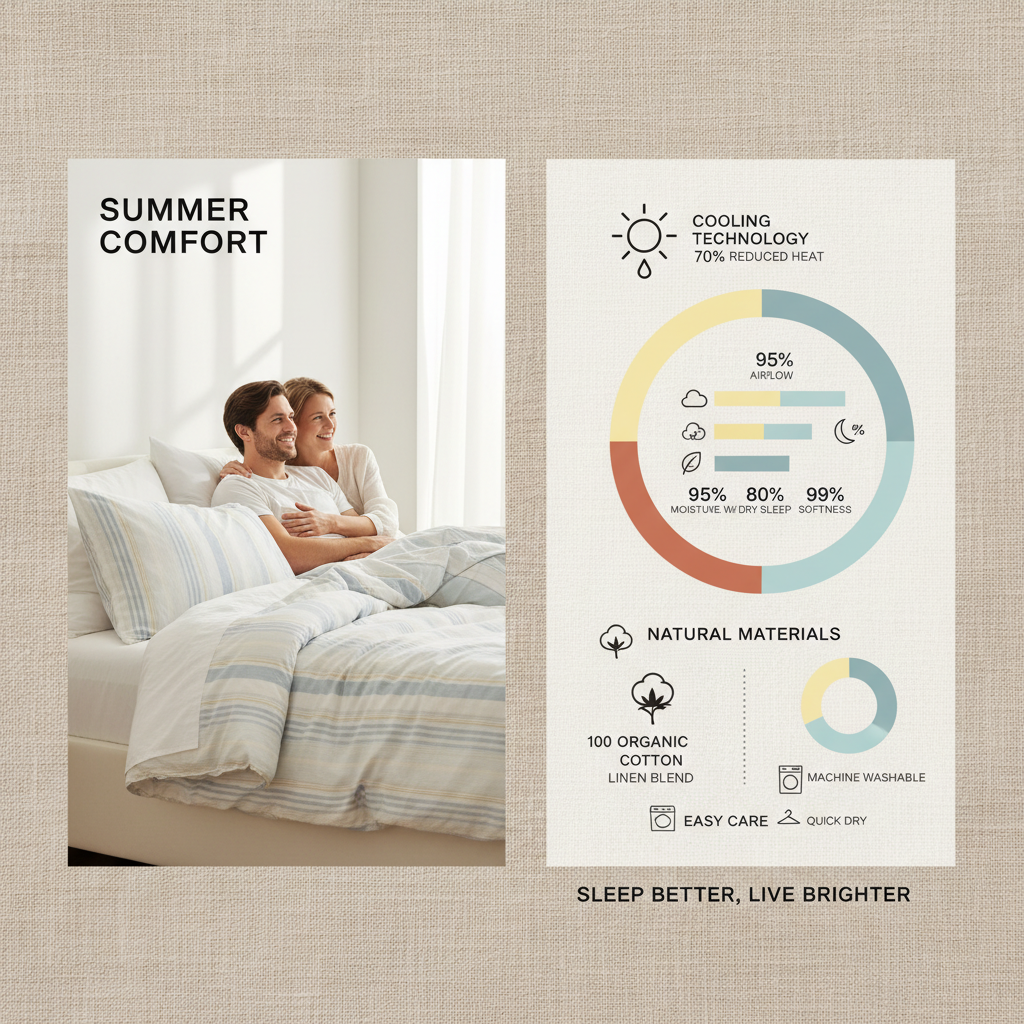
Breathability is paramount. Linen is consistently ranked as the most breathable fabric, followed closely by percale cotton. Sateen weaves, while soft, tend to retain more heat and are less ideal for hot sleepers. Choosing a fabric and weave that promotes airflow is crucial for summer comfort.
Summer Bed Sheet Set Performance Ratings
Global Applications and Consumer Preferences
In warmer climates, like those found in Southeast Asia and the Mediterranean, linen summer bed sheet set are a traditional choice due to their exceptional breathability and cooling properties. These regions have a long history of using linen for clothing and bedding, and consumer preference remains strong for this natural fiber.
In North America and Europe, percale cotton summer bed sheet set are increasingly popular, often marketed as a more affordable and readily available alternative to linen. However, there's a growing trend towards more sustainable materials like bamboo and Tencel, driven by environmentally conscious consumers.
Advantages and Long-Term Value of Quality Sets
Investing in a high-quality summer bed sheet set translates to improved sleep quality, which has far-reaching benefits for overall health and well-being. Better sleep leads to increased productivity, improved mood, and enhanced cognitive function. From a cost perspective, a durable set that lasts for years can be more economical than repeatedly replacing cheaper, lower-quality options.
The social impact of choosing responsibly sourced bedding is also significant. Supporting brands committed to fair labor practices and sustainable manufacturing contributes to a more ethical and environmentally friendly textile industry. This reflects a growing consumer desire for products that align with their values, fostering a sense of trust and brand loyalty.
Future Trends and Innovations in Summer Bedding
Innovation in textile technology is driving the development of new materials and weaves specifically designed for summer comfort. Microfiber blends with enhanced moisture-wicking properties are gaining traction, offering a more affordable alternative to natural fibers. Furthermore, the integration of smart textiles, incorporating temperature-regulating technologies, is on the horizon.
Sustainability remains a key focus, with increased research into recycled and bio-based materials for summer bed sheet set. Digital printing technologies are also becoming more prevalent, reducing water consumption and minimizing environmental impact. The future of summer bedding will likely be characterized by a blend of performance, sustainability, and technological innovation.
The rise of personalized bedding is another trend to watch. Consumers are increasingly seeking bedding tailored to their individual preferences, including fabric type, color, and size. This trend is driving demand for custom bedding options and direct-to-consumer brands that offer a personalized shopping experience.
FAQS
Generally, a lower thread count (200-400) is preferable for summer sheets, especially percale. Higher thread counts can create a denser weave that traps heat. The focus should be on the fabric type (linen, percale) rather than solely on thread count.
Linen is a premium fabric known for its exceptional breathability, durability, and cooling properties. While more expensive upfront, its longevity and comfort make it a worthwhile investment for hot sleepers. Linen also becomes softer with each wash.
Linen is relatively easy to care for. Machine wash on a gentle cycle with cold water and mild detergent. Tumble dry on low heat or hang to dry. Linen wrinkles easily, but this is part of its charm. Avoid using bleach or fabric softeners.
Percale is a plain weave that creates a crisp, cool, and breathable fabric. Sateen is a weave that results in a silky-smooth and luxurious feel, but it tends to be warmer and less breathable than percale, making it less ideal for summer.
Yes, bamboo sheets are a great option for summer. Bamboo fabric is incredibly soft, breathable, and moisture-wicking. It also has natural antibacterial properties. Look for bamboo lyocell or rayon for the best quality and sustainability.
It's recommended to wash your summer bed sheet set weekly to remove sweat, oils, and dust mites. This helps maintain hygiene and prolong the life of your bedding. Always follow the care instructions on the label.
Conclusion
In conclusion, selecting the right summer bed sheet set is a vital component of achieving a restful and comfortable sleep experience. From understanding the nuances of different fabric types – linen, percale cotton, bamboo, and Tencel – to prioritizing breathability and durability, informed choices can significantly impact sleep quality and overall well-being. The global context highlights the increasing demand for these specialized bedding solutions, driven by climate change and a growing awareness of sleep health.
Looking ahead, innovation in textile technology and a continued emphasis on sustainability will shape the future of summer bedding. Consumers are increasingly seeking eco-friendly options and personalized experiences, presenting opportunities for manufacturers to develop innovative and responsible products. By prioritizing quality, comfort, and sustainability, we can all contribute to a more restful and healthy summer season. Visit our website at www.linenhometex.com to explore our collection of premium summer bed sheet sets.