A comfortable night’s sleep is often taken for granted, yet the quality of our bedding plays a crucial role in achieving it. Among the many choices available, a bed sheet set 100% cotton stands out as a timeless favorite, prized for its comfort, breathability, and durability. Understanding the nuances of cotton sheets – from weave to thread count – empowers consumers to make informed decisions, ensuring a restful and rejuvenating sleep experience. This guide explores everything you need to know about investing in quality bed linen.
Globally, the demand for cotton remains consistently high, fueled by its versatility and natural properties. According to the International Cotton Advisory Committee (ICAC), cotton production and consumption continue to be significant economic drivers in many developing nations. A bed sheet set 100% cotton isn’t simply a household item; it represents a connection to this global agricultural network and the livelihoods it supports. The textile industry, representing a substantial portion of global trade, increasingly emphasizes sustainable practices and ethical sourcing in cotton production.
However, consumers often face a confusing array of options. Navigating terms like ‘Egyptian cotton,’ ‘Pima cotton,’ and varying thread counts can be overwhelming. This exploration aims to demystify these aspects, providing a clear understanding of the characteristics that define a superior bed sheet set 100% cotton and its benefits over synthetic alternatives. Choosing the right sheets impacts not just sleep quality, but also long-term value and environmental responsibility.
The Importance of 100% Cotton Sheets
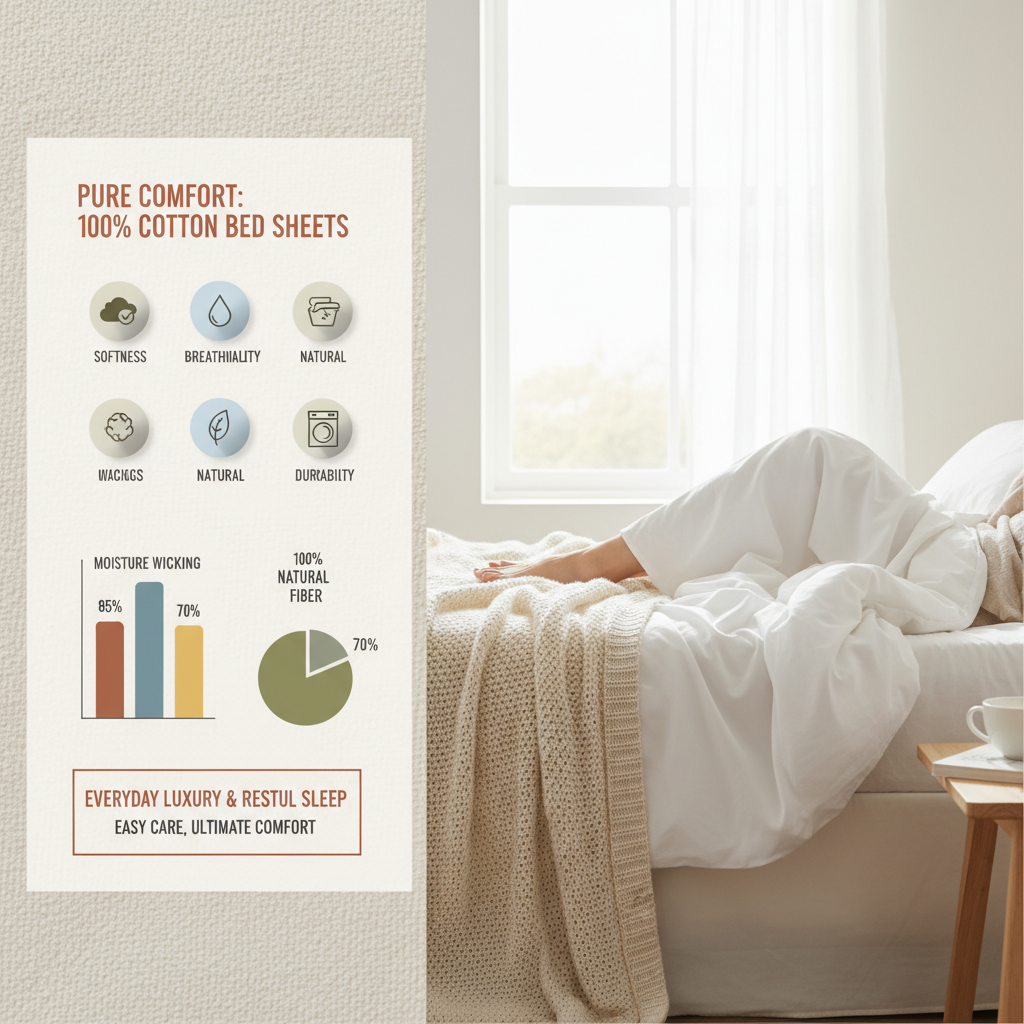
Choosing a bed sheet set 100% cotton fundamentally impacts your sleep environment. Cotton’s natural fibers allow for excellent breathability, regulating body temperature throughout the night. This is particularly important for individuals who tend to sleep hot or live in warmer climates. Unlike synthetic materials, cotton doesn't trap heat, preventing discomfort and promoting a more restful sleep.
Beyond comfort, a 100% cotton sheet set offers hypoallergenic benefits. The natural fibers are less likely to irritate sensitive skin, making them an ideal choice for individuals with allergies or eczema. Investing in high-quality cotton sheets is an investment in your overall well-being, contributing to both physical and mental restoration through improved sleep.
Defining a bed sheet set 100% cotton
A bed sheet set 100% cotton, at its most basic, refers to bedding manufactured entirely from cotton fibers, without the inclusion of any synthetic materials. This means the warp and weft – the vertical and horizontal threads – are both made exclusively of cotton. It's crucial to examine labels carefully, as some sheets may be labeled as “cotton blend,” indicating the presence of polyester or other synthetic fibers.
The connection to modern industry lies in the intricate supply chain that spans cotton farming, textile manufacturing, and global distribution. Ethical and sustainable practices are increasingly important, focusing on fair labor standards and environmentally responsible cotton production. Traceability, ensuring that the cotton originates from verified sources, is gaining prominence.
Understanding this definition is vital because the purity of cotton directly impacts the benefits – breathability, softness, and durability – that consumers seek. A genuine bed sheet set 100% cotton provides a tangible connection to natural materials and a commitment to quality.
Key Factors Influencing Cotton Sheet Quality
Several key factors determine the quality of a bed sheet set 100% cotton. First, the type of cotton is critical. Long-staple cottons, such as Egyptian and Pima cotton, have longer fibers that create smoother, stronger, and more durable sheets. These are naturally softer and resist pilling better than shorter-staple cottons.
Thread count, often advertised prominently, indicates the number of horizontal and vertical threads per square inch of fabric. While higher thread counts were once seen as universally better, it’s now understood that quality of the cotton fiber is more important than sheer thread count. A thread count between 300-600 is generally considered optimal for a bed sheet set 100% cotton.
The weave of the fabric – percale, sateen, or twill – also impacts the feel and performance. Percale provides a crisp, cool feel, while sateen offers a silky-smooth texture. Twill is known for its durability and subtle diagonal ribbing. Each weave caters to different preferences and sleep styles.
Global Applications and Consumer Trends
The global demand for bed sheet set 100% cotton is widespread, driven by a growing consumer awareness of the benefits of natural fibers. Developed nations, such as the United States and those in Europe, represent significant markets, with consumers prioritizing quality, comfort, and ethical sourcing. Emerging economies in Asia and South America are also experiencing increased demand as disposable incomes rise.
In hospitality, many luxury hotels exclusively use bed sheet set 100% cotton to enhance the guest experience, signaling a commitment to comfort and quality. The healthcare sector also utilizes cotton sheets due to their hypoallergenic properties, benefiting patients with sensitive skin.
Increasingly, consumers are seeking sustainable options, driving demand for organic cotton sheets and those produced using eco-friendly dyeing processes. Direct-to-consumer brands are gaining popularity, offering transparency in sourcing and manufacturing, and allowing consumers to connect directly with the origins of their bedding.
Consumer Preference for bed sheet set 100% cotton Types
Advantages and Long-Term Value Proposition
Investing in a quality bed sheet set 100% cotton offers significant tangible benefits. The durability of cotton, particularly long-staple varieties, means the sheets will withstand repeated washing and use without significant degradation. This reduces the need for frequent replacements, resulting in long-term cost savings.
From a sustainability perspective, cotton is a renewable resource. Choosing organic cotton further minimizes environmental impact by eliminating the use of harmful pesticides and fertilizers. The breathability of cotton also contributes to a more comfortable sleep environment, promoting overall well-being and potentially reducing reliance on climate control systems, further minimizing energy consumption.
Future Trends and Innovations in Cotton Textiles
The future of cotton textiles is focused on innovation and sustainability. Researchers are exploring new cotton varieties with enhanced fiber properties, such as increased strength and improved dye uptake. Technologies like air-jet weaving are being refined to produce lighter and more breathable fabrics.
Digital printing techniques are also gaining traction, allowing for more intricate designs and reducing water consumption compared to traditional dyeing methods. Furthermore, blockchain technology is being implemented to enhance transparency in the cotton supply chain, enabling consumers to verify the origin and ethical sourcing of their bedding.
Challenges and Sustainable Solutions
Despite its many advantages, the cotton industry faces challenges related to water usage, pesticide use, and fair labor practices. Conventional cotton farming can be water-intensive, particularly in arid regions. However, advancements in irrigation techniques and the adoption of drought-resistant cotton varieties are mitigating this issue.
Promoting organic cotton farming and supporting initiatives like the Better Cotton Initiative (BCI) are crucial for reducing pesticide use and improving labor conditions. Investing in research and development of alternative, sustainable dyeing processes is also essential for minimizing environmental impact.
Consumer education plays a vital role in driving demand for sustainable bed sheet set 100% cotton, encouraging brands to prioritize ethical and environmentally responsible practices.
Summary of Key Challenges and Solutions for Sustainable bed sheet set 100% cotton Production
| Challenge |
Impact on bed sheet set 100% cotton |
Proposed Solution |
Expected Outcome |
| High Water Consumption |
Depletion of water resources, environmental stress |
Drip irrigation, drought-resistant cotton varieties |
Reduced water usage, improved water conservation |
| Pesticide Use |
Environmental pollution, health risks to farmers and consumers |
Organic cotton farming, integrated pest management |
Reduced pesticide residue, improved environmental health |
| Fair Labor Practices |
Exploitation of workers, unsafe working conditions |
Fair Trade certification, ethical sourcing policies |
Improved worker welfare, fair wages and safe working conditions |
| Supply Chain Transparency |
Difficulty verifying origin and ethical production |
Blockchain technology, traceability programs |
Increased consumer trust, verifiable ethical sourcing |
| Environmental Impact of Dyeing |
Water pollution, chemical waste |
Sustainable dyeing processes, water recycling systems |
Reduced water pollution, minimized chemical waste |
| Waste Generation |
Textile waste in landfills |
Textile recycling programs, circular economy initiatives |
Reduced landfill waste, resource recovery |
FAQS
Both Egyptian and Pima cotton are considered long-staple varieties prized for their softness and durability. However, Egyptian cotton traditionally boasts a slightly longer staple length, contributing to a smoother and more luxurious feel. Authentic Egyptian cotton is grown exclusively in Egypt's Nile Delta region. Pima cotton, grown primarily in the United States, Peru, and Israel, is also an excellent choice, offering comparable quality at a potentially more accessible price point. When purchasing a bed sheet set 100% cotton, verifying the origin and certifications is crucial.
It's generally recommended to wash your bed sheet set 100% cotton once a week to maintain hygiene and freshness. However, this can vary depending on your individual habits and preferences. If you sweat heavily during the night or have allergies, more frequent washing may be necessary. Avoid using harsh detergents or bleach, as these can damage the fibers and reduce the lifespan of your sheets. A gentle cycle with cool or lukewarm water is ideal.
Thread count refers to the number of horizontal and vertical threads woven into one square inch of fabric. While a higher thread count was once seen as a sign of superior quality, it's not the sole determinant. The quality of the cotton fiber itself is equally important. Sheets with thread counts between 300 and 600 typically offer a good balance of softness, durability, and breathability for a bed sheet set 100% cotton.
Organic cotton sheets are grown without the use of harmful pesticides, herbicides, and synthetic fertilizers, making them a more sustainable and environmentally friendly choice. They are also often softer and gentler on sensitive skin. While they may be more expensive than conventionally grown cotton sheets, the long-term benefits for both your health and the planet make them a worthwhile investment. Look for certifications like GOTS (Global Organic Textile Standard) to ensure authenticity.
Pilling occurs when fibers break loose from the fabric and form small balls on the surface. To minimize pilling, choose high-quality, long-staple cotton sheets. Avoid washing your sheets with abrasive materials like towels or denim. Turn your sheets inside out before washing and use a gentle cycle with a mild detergent. Consider using a fabric softener, but be aware that it can reduce absorbency.
Proper storage can help preserve the quality of your bed sheet set 100% cotton. Store your sheets in a cool, dry, and well-ventilated area, away from direct sunlight. Avoid storing them in plastic bags, as this can trap moisture and lead to mildew. Instead, use breathable cotton storage bags or pillowcases. Folding your sheets neatly rather than rolling them can also help prevent wrinkles.
Conclusion
In conclusion, a bed sheet set 100% cotton represents more than just bedding – it’s an investment in comfort, health, and sustainability. Understanding the factors that influence quality, from cotton type to weave and thread count, empowers consumers to make informed choices. Prioritizing long-staple cottons, ethical sourcing, and sustainable manufacturing practices benefits both individual well-being and the environment.
Looking ahead, continued innovation in cotton textile technology promises even more sustainable and luxurious options. By supporting brands committed to responsible production and embracing eco-friendly alternatives, consumers can contribute to a more sustainable future for the textile industry. Visit our website today to explore our collection of premium 100% cotton sheet sets: www.linenhometex.com.