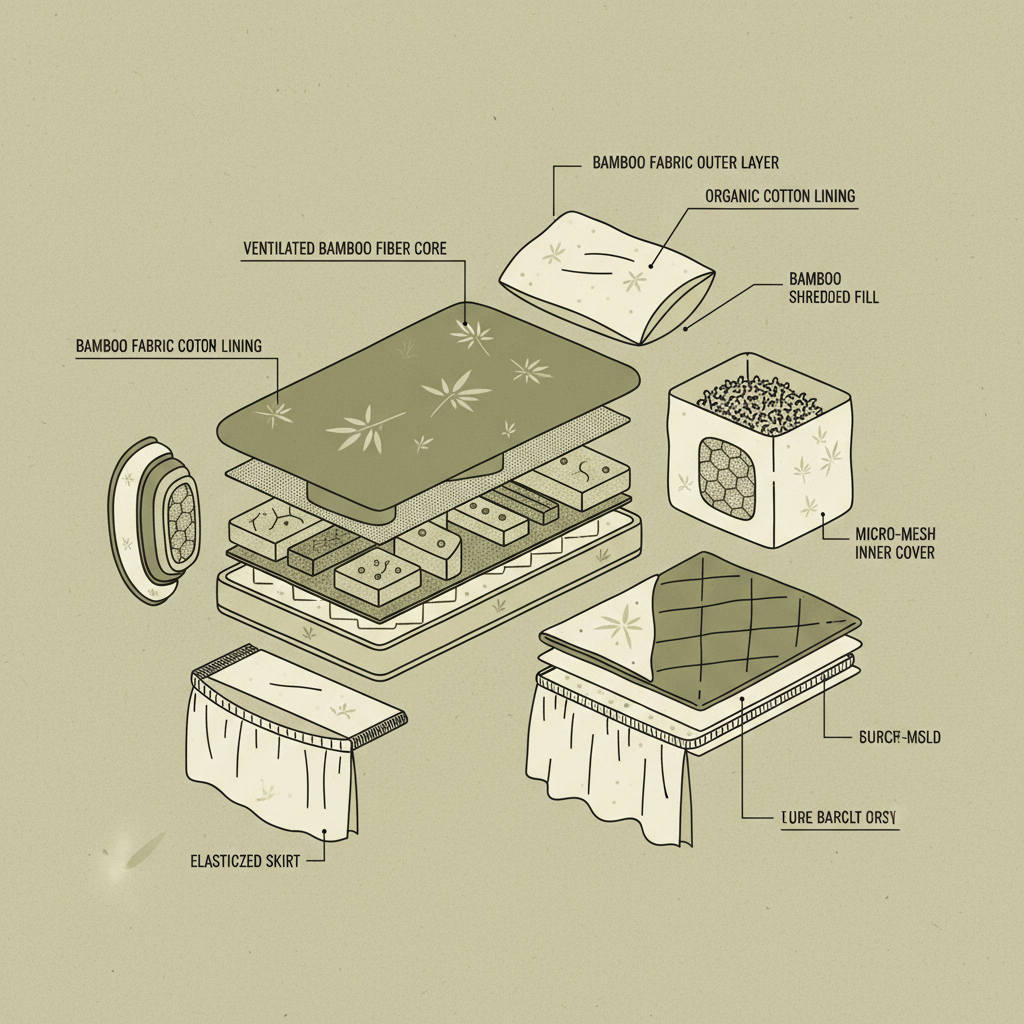
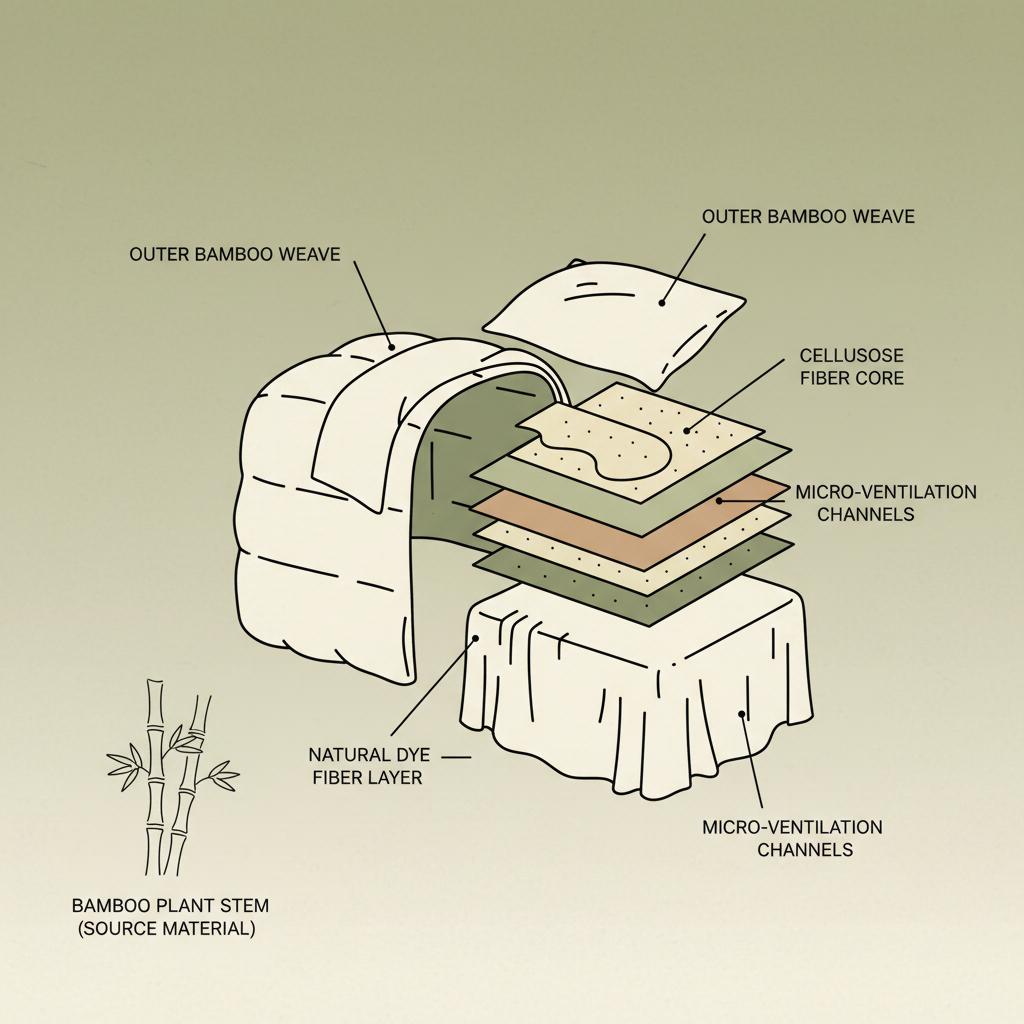
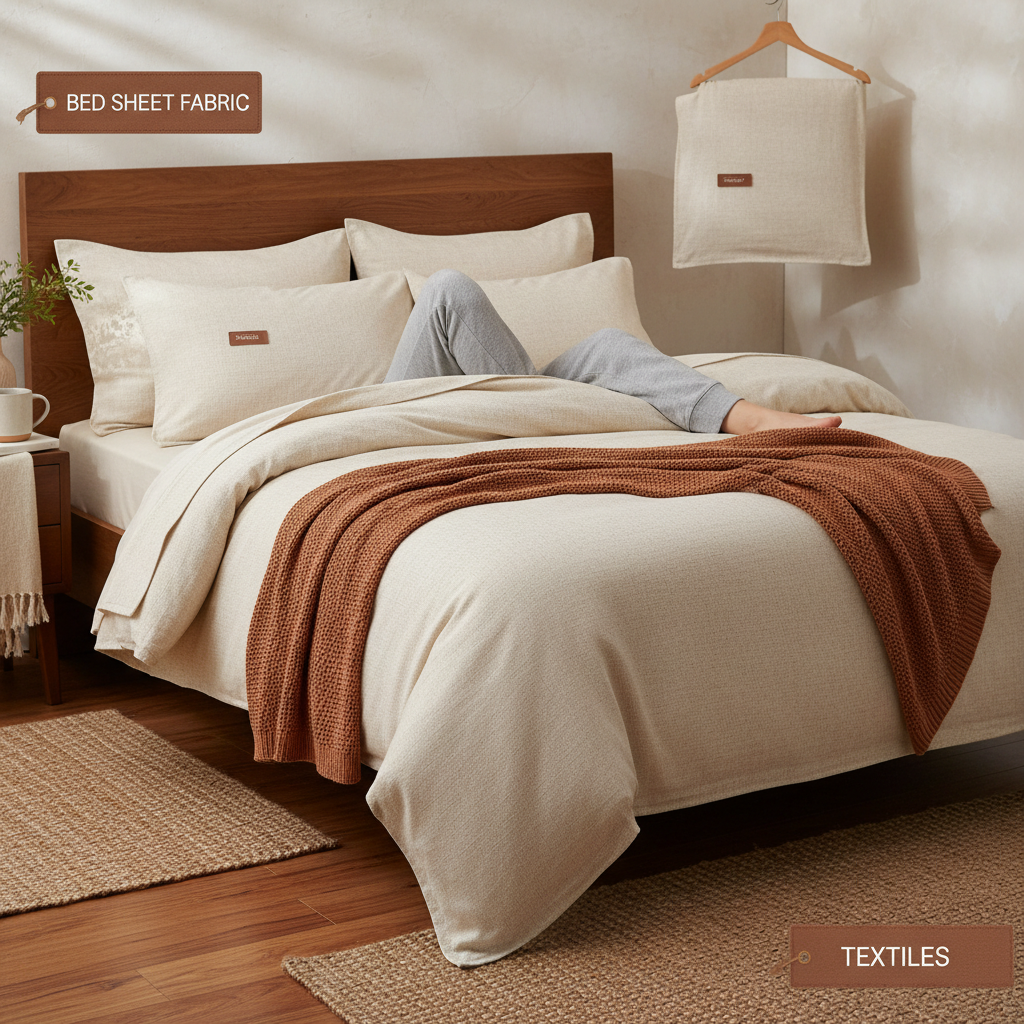
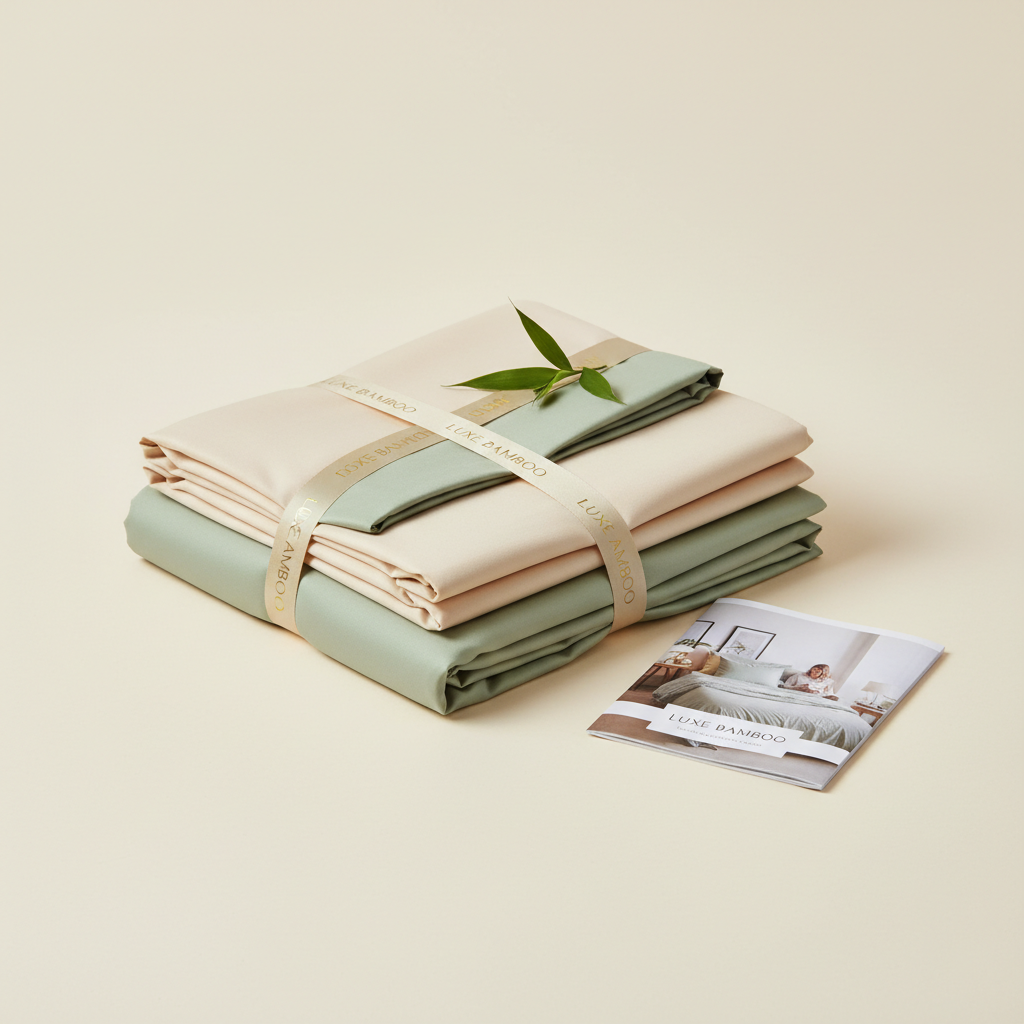
Honestly, things have been changing fast lately. Everyone’s screaming about sustainability, which is good, don’t get me wrong. But it feels like half the guys on site are just checking boxes, not actually thinking about what lasts. Bamboo baby bedding sets, though… that’s something I’ve been watching closely. It's not a flash in the pan like some of these new composites. Been seeing a lot more requests for it, especially from folks wanting hypoallergenic options. You wouldn’t believe the demands these days.
And you know, the whole 'natural' thing, it's got people hooked. But 'natural' doesn’t always mean easy to work with. I encountered a shipment of some fancy organic cotton stuff last year that just… fell apart when it got damp. Bamboo, thankfully, holds up a lot better. It’s got a surprising amount of strength for something that feels so soft. But it’s not a miracle worker.
It’s funny, everyone thinks designing baby stuff is simple. “Just make it soft!” they say. Ha! Tell that to the engineers trying to get it to hold up to constant washing and, well, everything else babies do. We spend ages debating seam allowances, thread counts, even the type of dye. The devil’s always in the details, and with something going around a baby, you need to be extra careful.
The Rising Tide of Sustainable Baby Bedding
You know, it’s not just baby bedding. It's everything. Everyone’s looking for eco-friendly options now, and that pressure is trickling down. I was at a supplier's place in Vietnam last month, and they were practically begging me to switch to bamboo fabrics. Said they couldn’t keep up with the demand for cotton anymore. Strange times.
But seriously, the demand for baby bedding set bamboo is going through the roof. Parents are way more aware of what their kids are breathing in and touching. They’re willing to pay a bit extra for peace of mind. And honestly, a lot of the synthetic stuff out there just… feels wrong for a baby.
Design Pitfalls & Material Nuances
Have you noticed how a lot of these designs look pretty, but they're completely impractical? Like, tiny little bows and ruffles that a baby will just pull off and choke on. We had a whole batch of crib sheets rejected because of that. It's not enough to just look good, it needs to be safe and durable.
And with bamboo, there's a learning curve. It drapes differently than cotton, so you have to adjust your patterns. The seams need to be reinforced, because it tends to stretch a bit more. And the finishing... you gotta get the finishing right. You don't want any rough edges irritating the baby's skin. It’s subtle stuff, but it makes a huge difference.
There’s also the whole bamboo viscose vs. bamboo lyocell thing. Lyocell’s a more sustainable process, less chemical intensive. But it's more expensive. The cheaper viscose stuff is okay, but you have to be really careful about sourcing to make sure they're not cutting corners on safety standards.
The Feel of Bamboo: Beyond Softness
To be honest, the first time I touched bamboo fabric, I was surprised. It really is that soft. It feels almost… silky. But it's not just the softness. It's the way it breathes. It's noticeably cooler than cotton, which is a huge plus for babies, especially in warmer climates. I've started using it for my own undershirts, actually.
And it’s got a unique texture. It doesn’t have that crispness that some cottons have. It's more… fluid. It takes dye really well, too. The colors are vibrant and they don’t fade as quickly. I remember testing a batch of bamboo muslin swaddles against some cotton ones, and the bamboo ones still looked brand new after dozens of washes.
The smell is different too, when you're handling the raw material. It’s not unpleasant, but it's… woodsy. It's a subtle smell, but you notice it. And it doesn’t hold onto odors as much as cotton. Which, let's face it, is a good thing when you're dealing with babies.
Real-World Testing & Usage Patterns
Forget the lab tests. I want to see this stuff get used. We send samples home with families, let them wash them, let their babies drool all over them, let them generally abuse them. That's the real test.
And what we’ve found is that babies actually sleep better in bamboo bedding. It’s anecdotal, sure, but a lot of parents have told us their little ones seem more comfortable and sleep through the night more consistently. I'm not a doctor, so I can't say why, but it's something.
Baby Bedding Set Bamboo Wash Resistance Ratings
Advantages, Disadvantages, and Honest Assessments
Okay, let's be real. Bamboo is great, but it's not perfect. It's more expensive than cotton, for one. And it wrinkles easily. Like, really easily. You can iron it, but who has time for that when you're dealing with a baby?
But the advantages outweigh the drawbacks, in my opinion. It’s softer, more breathable, more sustainable, and hypoallergenic. It’s a good choice for babies with sensitive skin. And honestly, it just feels nicer. And that matters.
Customization Options & Practical Applications
People always want to customize. "Can you make this in a different color?" "Can you add a little embroidery?" "Can you make it shaped like a dinosaur?" It’s endless. With bamboo, customization is a bit trickier. The fabric is more delicate, so you can't just throw it through any old machine.
But we can do it. We’ve done custom prints for a boutique in California, and we’ve added organic cotton trim to some of the sheets for a client who wanted an extra layer of softness. The key is to work with a supplier who understands the material and knows how to handle it carefully.
A Customer Story: The Debacle
Last month, that small boss in Shenzhen who makes smart home devices insisted on changing the interface to . He’d gotten it in his head that it was “the future” and that all his baby monitors had to have it. Which is fine, except it meant redesigning the entire charging station. We spent weeks arguing, running simulations, and tweaking the design.
Turns out, the connector added too much heat. The charging station would overheat if left plugged in for too long, which, you know, isn't ideal for something sitting next to a sleeping baby. We ended up going back to micro-USB. It wasn’t glamorous, but it was safer.
The point is, sometimes the “innovations” aren’t worth the hassle. You gotta be practical. You gotta think about the end user. You gotta make sure it works.
Summary of Key Considerations for Baby Bedding Set Bamboo
| Material Source |
Manufacturing Process |
Durability Assessment |
Cost-Effectiveness |
| Certified Organic Farms |
Closed-Loop Lyocell Process |
8/10 - Excellent wash resistance |
Moderate - Higher upfront cost |
| Sustainable Bamboo Forests |
Viscose Production (with scrutiny) |
7/10 - Good, but requires gentle care |
Affordable - Lower cost compared to Lyocell |
| Traceable Supply Chains |
Minimal Chemical Usage |
9/10 - Exceptional longevity |
High - Justified by quality and lifespan |
| Ethically Sourced |
Water Conservation Techniques |
6/10 - Requires careful handling and washing |
Variable - Depends on process & sourcing |
| Transparency in Processing |
Reduced Carbon Footprint |
7/10 - Suitable for regular use |
Competitive - Balancing quality & price |
| Independent Certifications |
Biodegradable Components |
8/10 - Resilient against everyday wear |
Good Value - Long-term savings |
FAQS
That’s a good question. Viscose is more common and cheaper, but uses more chemicals in the process. Lyocell is a closed-loop system, meaning almost all the chemicals are recycled, making it more eco-friendly. It’s a bit softer and more durable, too, but you’ll pay extra for it. Honestly, if you’re concerned about sustainability, go for the lyocell.
Bamboo fibers are naturally smooth and round, so they’re less likely to irritate sensitive skin. They also have antibacterial properties, which can help prevent the growth of mold and mildew. It's not a guaranteed fix for allergies, of course, but it’s a good option for babies prone to eczema or other skin conditions. We also make sure to use low-impact dyes.
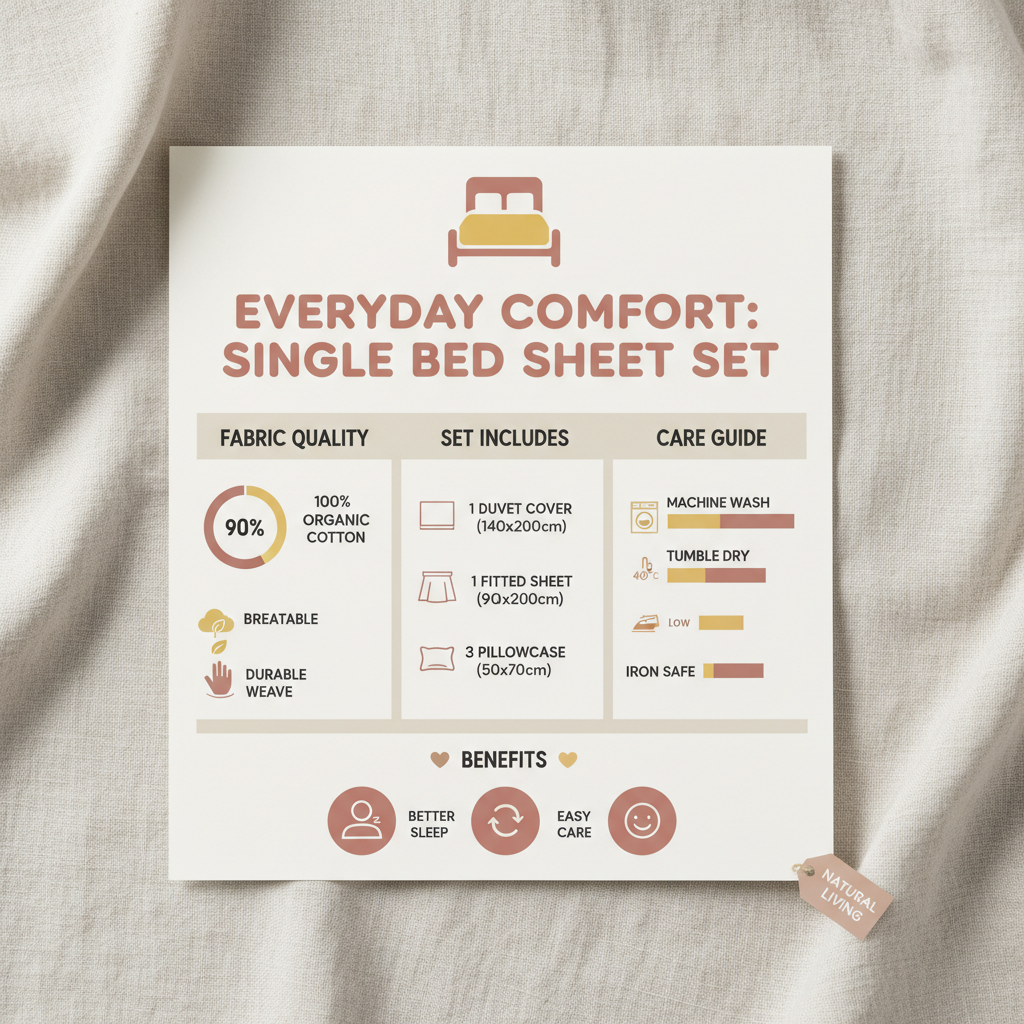
Gentle cycle, cold water, and mild detergent. Avoid bleach and fabric softener. Tumble dry on low, or better yet, hang to dry. Bamboo dries pretty quickly. And don’t iron it! Seriously, just don’t. It’ll wrinkle anyway.
It's generally more expensive than cotton, yeah. But you're paying for quality, sustainability, and comfort. And it lasts longer, so you end up saving money in the long run. Think of it as an investment in your baby’s sleep… and your sanity. Besides, some of the cheapest stuff out there is just plain dangerous.
We can definitely work with you on customization! We can do custom prints, embroidery, and even different sizes and shapes. It depends on the complexity of the design and the quantity you’re ordering, but we’re pretty flexible. Just send us your design and we'll see what we can do. But don't ask for anything too crazy, okay?
Both are excellent choices. Organic cotton is a great, sustainable option. Bamboo is often softer and more breathable. Bamboo also grows much faster than cotton, making it a more renewable resource. Ultimately, it comes down to personal preference. Some people just prefer the feel of bamboo, while others are more attached to cotton.
Conclusion
So, yeah, bamboo baby bedding set bamboo has come a long way. It's not just a trend, it's a real solution for parents who want something safe, comfortable, and sustainable for their little ones. It’s got its quirks, sure, but overall it’s a fantastic material. We’ve seen it improve sleep, reduce skin irritation, and give parents peace of mind.
Ultimately, whether this thing works or not, the worker will know the moment he tightens the screw. It’s the same with bedding. It doesn’t matter how much testing we do in the lab or how fancy the marketing is. If it doesn’t feel right to the parents, and if it doesn’t keep the baby comfortable and safe, then it’s a failure. That’s the bottom line.