Look, I've been running around construction sites all year, dealing with materials, and talking to engineers. Let me tell you, things are moving fast. Everyone's talking about sustainability now – recycled plastics, bio-based materials, you name it. But honestly, just slapping a “green” label on something isn't enough. It needs to actually work on site, withstand the abuse.
You wouldn’t believe how many designs look great on paper but fall apart the moment someone tries to actually use them. There’s this obsession with minimalist designs, which is fine, but then they skimp on the locking mechanisms. I saw a batch of these fancy latches last month... they broke after three uses. Three! It's like people forget these things are going to get dropped, kicked, rained on.
And then there's the material side of things. We've been moving toward high-density polyethylene (HDPE) for the main structure, you know, the stuff those blue water barrels are made of. It's tough, smells a little like plastic, but holds up incredibly well. It's not pretty, but it's functional. We've also been experimenting with recycled polypropylene (rPP) for some of the softer components, but it's tricky. Sometimes the consistency is off, you get these weird blemishes… Anyway, I think finding a reliable source for rPP is a constant headache.
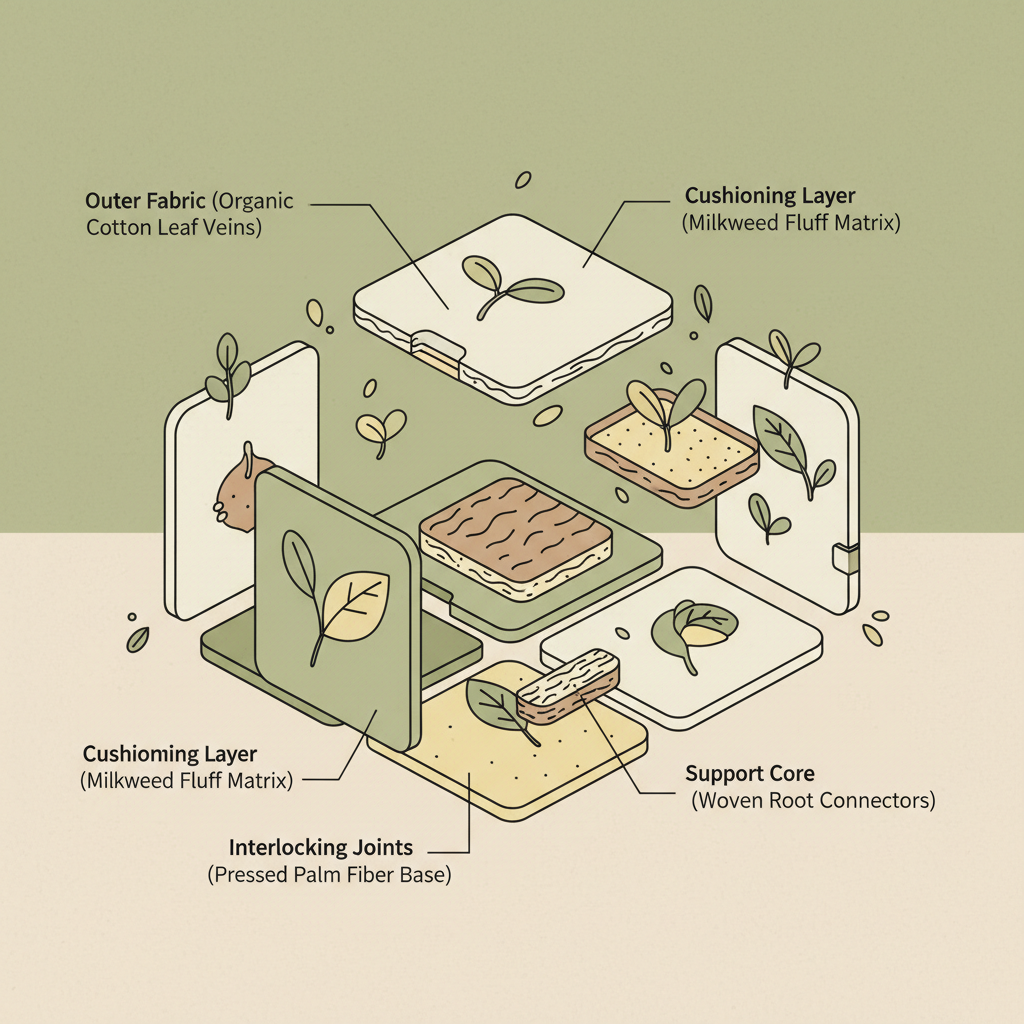
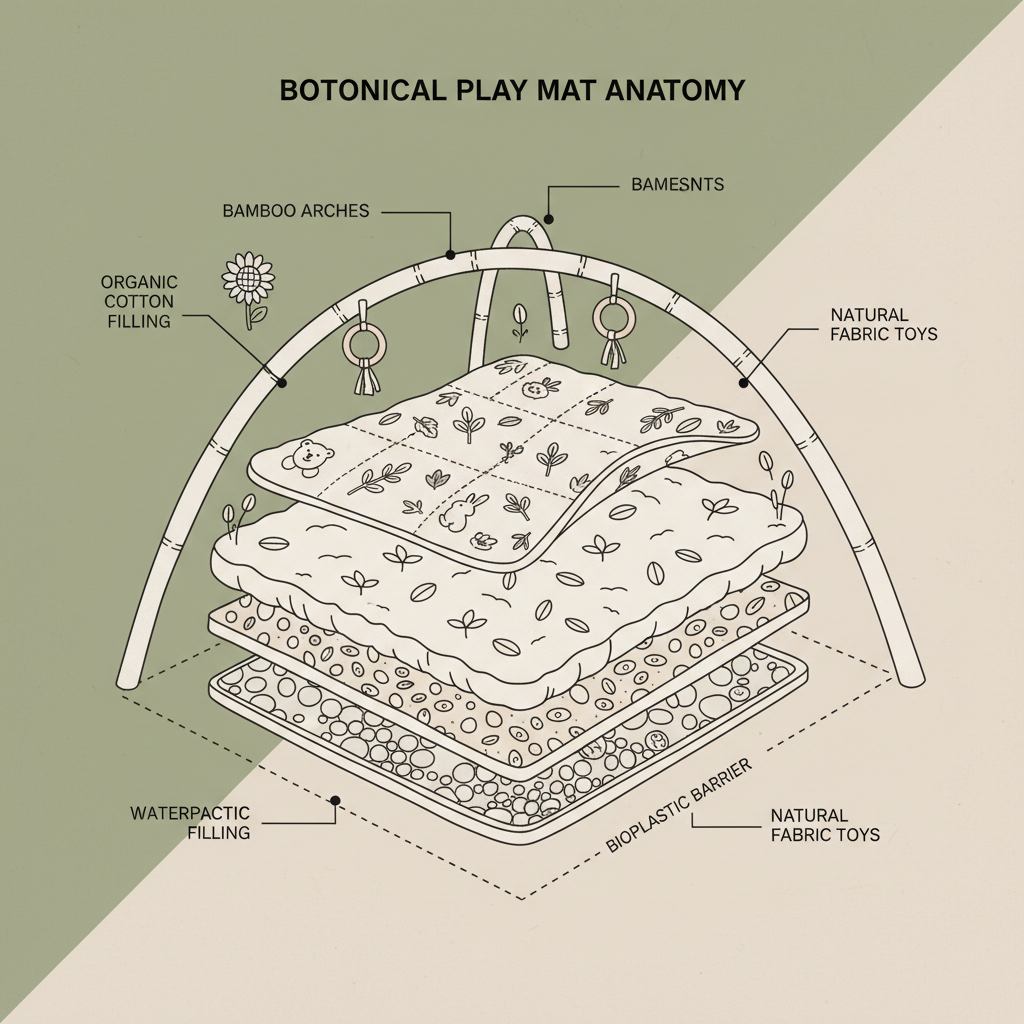
To be honest, everyone’s chasing the “smart” angle now. Sensors, Bluetooth connectivity… but you know what most workers care about? That it doesn’t fall apart when they drop a wrench on it. We spend so much time arguing over millimeters of thickness, over fancy finishes, and then forget the basics.
Have you noticed the trend toward modular designs? It's supposed to make replacement easier, but sometimes it just creates more points of failure. More screws, more clips… more things to break. I encountered this at a factory in Ningbo last time. They had this interlocking system that looked great in the prototype, but in the real world, dust and grit would get in there, and it became impossible to disassemble. Strangely enough, a simple, solid design often outlasts all the clever engineering.
Honestly, they focus too much on price. A cheap mat might save you money upfront, but it’ll likely wear out quickly and end up costing you more in the long run. Durability and safety are paramount. You need something that can withstand heavy foot traffic, dropped tools, and exposure to the elements. Don't skimp on quality. We had a guy try to use some bargain-bin stuff last year, and it was completely shredded within a week.
Thickness matters, but it’s not the whole story. A thicker mat provides more cushioning and fatigue relief, but it can also be less stable. You need to find a balance. Generally, we recommend a thickness of at least 8mm for most construction applications. But it also depends on the type of work being done. If you’re working with heavy machinery, you’ll want something thicker and more robust.
That's a good question. It depends on the quality of the recycled material and the manufacturing process. Some recycled materials can be just as strong and durable as virgin materials. But it’s important to choose a reputable supplier who can guarantee the quality. We’ve had some issues with consistency in the past, but we’ve found a few suppliers who are consistently delivering high-quality recycled HDPE.
Honestly, you're going to need a pressure washer. Regular sweeping helps, but it won’t get rid of the ingrained dirt and grime. A pressure washer with a mild detergent is the most effective way to clean them. Just be careful not to damage the surface. And make sure to let them dry completely before putting them back into service. Wet baby play mat are a slip hazard.
Yes, absolutely. We can custom-print logos, safety messages, or any other markings you need. It’s a great way to brand your workspace and promote safety. We offer a variety of printing options, including screen printing and digital printing. Just provide us with your artwork, and we’ll take care of the rest.
That really varies depending on usage and maintenance. A well-maintained mat can easily last for 2-3 years, but some can fail much sooner if they’re subjected to extreme abuse. We’ve seen mats that have lasted five years or more, but those are the exception, not the rule. Regular cleaning and prompt replacement of damaged sections are key to maximizing lifespan.
So, there you have it. Baby play mat seem simple, but there’s a lot that goes into choosing the right one. It’s about balancing durability, safety, cost, and practicality. It’s about understanding how people actually use these things in the real world, not just how they’re supposed to be used. It’s about finding a material that can withstand the abuse of a construction site and keep workers safe and comfortable.
Ultimately, whether this thing works or not, the worker will know the moment he tightens the screw. And if he’s cursing under his breath, you know you’ve got a problem. If you’re looking for high-quality, durable baby play mat, visit our website. We’ve been in the business for years, and we know what it takes to stand up to the rigors of a construction site.