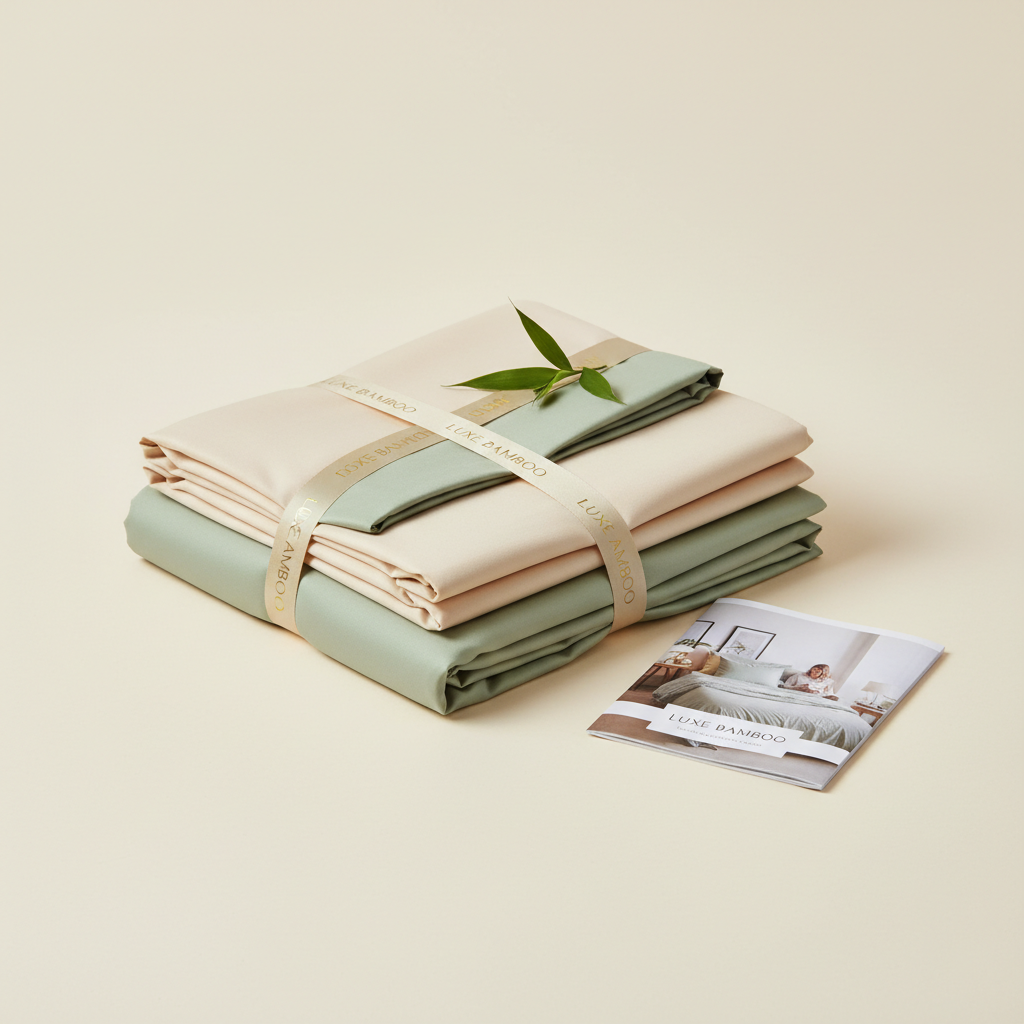
Bamboo bed sheet sets are rapidly gaining popularity as a sustainable and luxurious alternative to traditional cotton sheets. Globally, consumers are increasingly conscious of the environmental and social impact of their purchasing decisions, driving demand for eco-friendly products. The comfort, breathability, and hypoallergenic properties of bamboo fabric make it an increasingly desirable choice for bedding, improving sleep quality and offering benefits for sensitive skin. Understanding the intricacies of bamboo bed sheet sets – from fiber sourcing to weave construction – is vital for both consumers and manufacturers navigating this evolving market.
The demand for sustainable textiles is fueled by growing concerns about the environmental costs of conventional cotton production, including high water usage and pesticide reliance. The global textile industry is a significant contributor to pollution, and bamboo, as a fast-growing and renewable resource, presents a viable solution. Statistics from the UN Environment Programme indicate a rising trend in eco-labeling and certifications, further validating the consumer preference for environmentally responsible products. bamboo bed sheet set provide a way to align comfort with a commitment to environmental stewardship.
This shift towards sustainable bedding is not merely a trend but a fundamental change in consumer values. The awareness of ethical sourcing and the desire for healthier living are key drivers. The bamboo bed sheet set market is responding with innovative products and transparent supply chains, aiming to meet this growing demand and reshape the future of the bedding industry.
The Core Principles of Bamboo Bed Sheet Sets
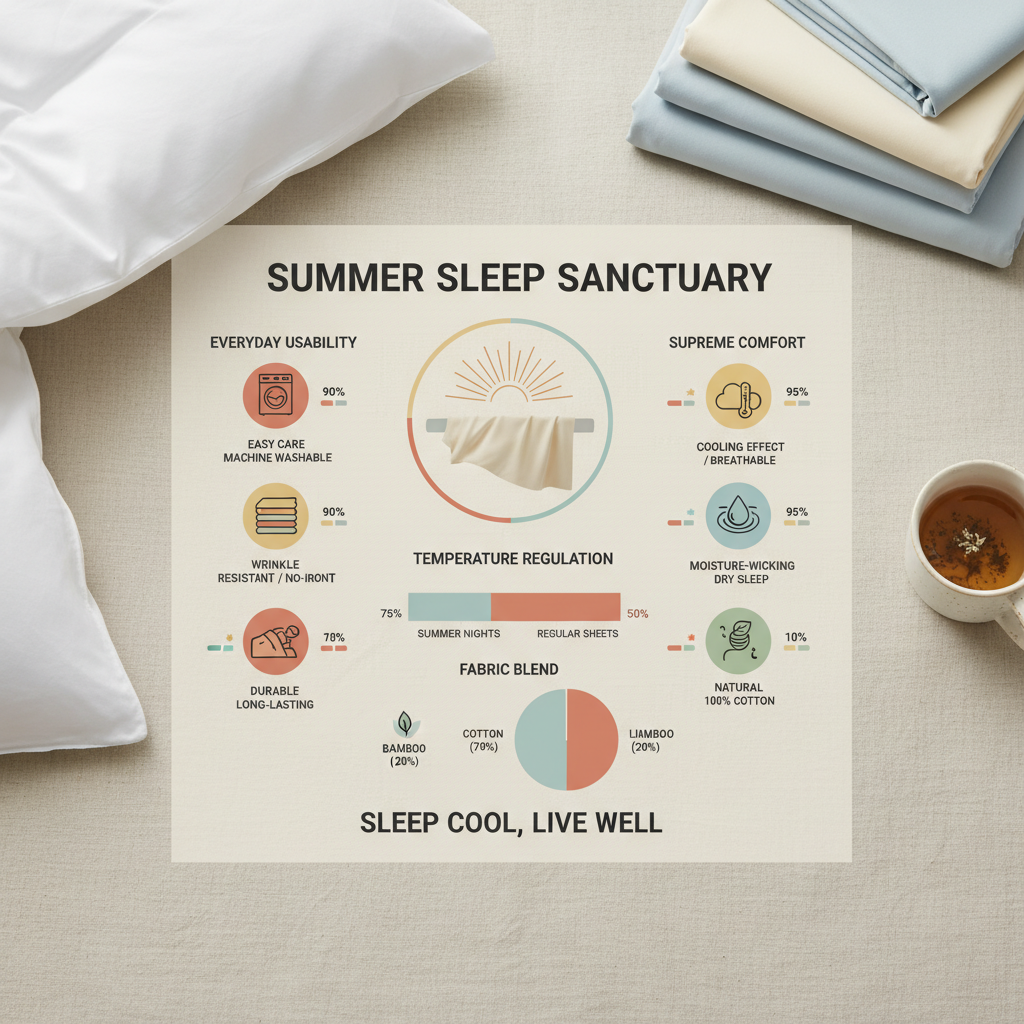
At its heart, the principle of a bamboo bed sheet set lies in utilizing the naturally sustainable bamboo plant to create a soft, durable, and hypoallergenic fabric for bedding. This differs significantly from traditional cotton, which often requires substantial water and pesticide usage. The inherent properties of bamboo fibers, such as their breathability and moisture-wicking capabilities, are central to the comfort and quality consumers seek.
Beyond the material itself, the core principle also encompasses ethical sourcing and responsible manufacturing. Consumers are increasingly prioritizing transparency in the supply chain, demanding assurances that the bamboo is harvested sustainably and the manufacturing processes adhere to fair labor practices. This holistic approach defines the true essence of a quality bamboo bed sheet set.
The Global Production and Supply Chain of Bamboo Bed Sheet Sets
The global production of bamboo bed sheet sets is largely concentrated in Asia, particularly in China, India, and Vietnam, where bamboo grows abundantly. These countries possess established textile manufacturing infrastructure and expertise. The initial stage involves harvesting bamboo culms, which are then processed into bamboo pulp through mechanical crushing or chemical pulping (though increasingly, mechanical methods are favored for sustainability).
This pulp is then converted into bamboo fibers, typically using the viscose or lyocell process. Viscose rayon is more common due to its lower cost but carries greater environmental concerns. Lyocell, a more eco-friendly closed-loop system, is gaining traction but is currently more expensive. These fibers are spun into yarn, woven into fabric, and finally, cut and sewn into bamboo bed sheet set. The entire process is a complex global supply chain with potential environmental and ethical considerations at each stage.
Distribution networks extend from these manufacturing hubs to consumer markets worldwide, including North America, Europe, and Australia. Supply chain transparency and certifications (such as OEKO-TEX) are becoming increasingly vital to assure consumers of the product's sustainability and ethical sourcing.
Defining Bamboo Bed Sheet Sets: Materials and Construction
A bamboo bed sheet set isn’t simply made from bamboo; understanding the specific type of bamboo fiber is crucial. The most common types used are bamboo viscose (rayon) and bamboo lyocell. Bamboo viscose is created through a chemically intensive process, while bamboo lyocell utilizes a more sustainable closed-loop system with fewer harmful chemicals. The choice of fiber significantly impacts the environmental footprint of the bamboo bed sheet set.
The construction of the fabric – the weave – also plays a vital role. Sateen weaves produce a silky-smooth, luxurious feel, while percale weaves are known for their crisp, cool texture. Twill weaves offer durability and a subtle diagonal pattern. The thread count, while often marketed heavily, is not the sole determinant of quality; fiber type and weave construction are equally important.
Beyond the primary fiber, some bamboo bed sheet set include a percentage of other fibers, such as cotton or polyester, to enhance specific properties like strength or wrinkle resistance. Understanding the fiber composition allows consumers to make informed choices based on their preferences and priorities.
Key Factors Influencing the Quality of Bamboo Bed Sheet Sets
Several key factors determine the overall quality of a bamboo bed sheet set. First, the quality of the bamboo fiber itself is paramount. Sourcing from responsibly managed bamboo forests ensures sustainability and contributes to the fiber's strength and durability. The processing method (viscose vs. lyocell) significantly impacts the environmental friendliness and softness of the fabric.
Second, the weave of the fabric plays a crucial role. A tighter weave generally results in a more durable and luxurious sheet. Third, the thread count, while often overstated, can indicate the fineness of the yarn and the density of the weave. However, a high thread count doesn’t guarantee quality if the fiber is of poor quality or the weave is loose.
Comparative Analysis of Bamboo Bed Sheet Set Quality Attributes
Global Applications and Market Reach of Bamboo Bed Sheet Sets
The market for bamboo bed sheet set is experiencing significant growth across North America, Europe, and Australia, driven by consumer demand for sustainable and luxurious bedding options. Online retailers and specialty bedding stores are key distribution channels. Furthermore, eco-conscious hotels and resorts are increasingly adopting bamboo sheets to align with their sustainability initiatives.
The Asia-Pacific region represents both a major production hub and a growing consumer market for bamboo bedding. Increasing disposable incomes and rising environmental awareness in countries like China and India are fueling demand. Moreover, the hospitality sector in these regions is showing a growing preference for eco-friendly linen options.
Advantages and Long-Term Value of Bamboo Bed Sheet Sets
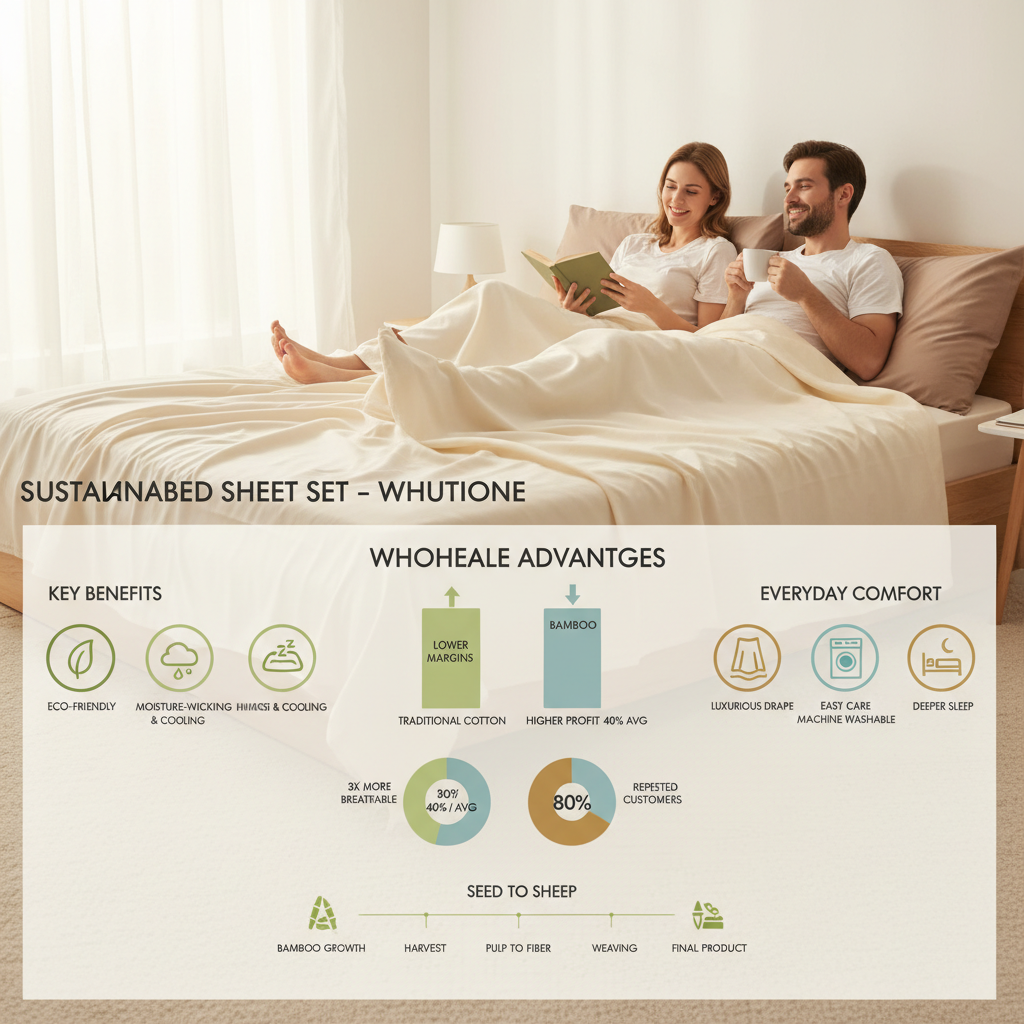
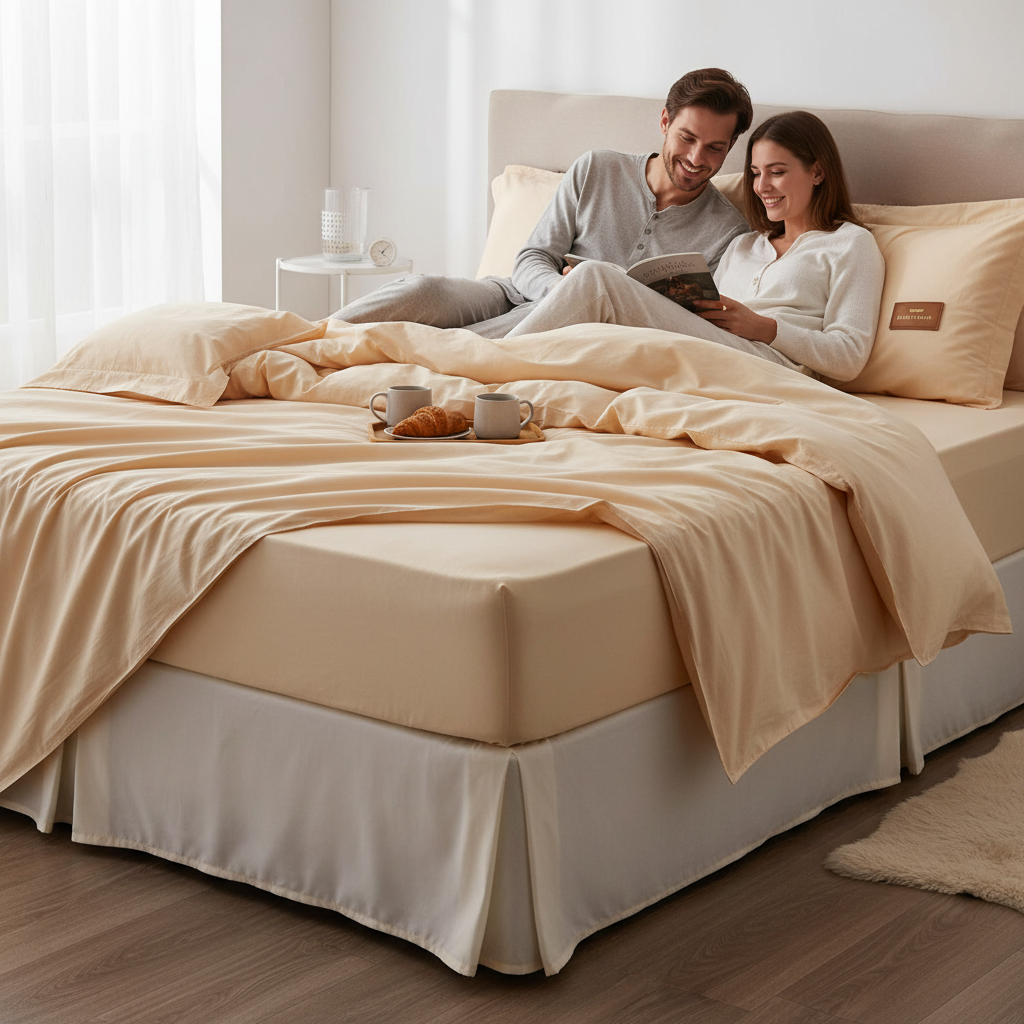
The advantages of bamboo bed sheet set extend beyond mere comfort. Their inherent breathability and moisture-wicking properties promote better sleep quality, especially for individuals prone to night sweats or overheating. They are naturally hypoallergenic, making them ideal for allergy sufferers and those with sensitive skin. The soft, silky texture provides a luxurious sleep experience.
From a long-term value perspective, bamboo sheets are remarkably durable, resisting wear and tear with proper care. This translates to a longer lifespan compared to many conventional cotton sheets, reducing the need for frequent replacements. Moreover, the sustainable sourcing of bamboo contributes to a smaller environmental footprint, aligning with ethical consumer values.
The emotional value lies in the peace of mind knowing you've chosen a product that's both good for you and good for the planet. This contributes to a sense of well-being and aligns with a conscious lifestyle.
Future Trends and Innovations in Bamboo Bed Sheet Set Technology
The future of bamboo bed sheet set lies in advancements in fiber processing and weave technology. Research and development are focused on optimizing the lyocell process to further reduce its environmental impact and enhance the softness and durability of the fabric. Innovations in weaving techniques are also being explored to create even more luxurious and breathable sheets.
Increased transparency in the supply chain, facilitated by blockchain technology, will allow consumers to trace the origin of their bamboo sheets and verify their sustainability claims. Furthermore, the integration of smart textiles, such as temperature-regulating fibers, could enhance the functionality and comfort of bamboo bedding.
The drive towards circular economy principles will lead to increased recycling and upcycling of bamboo fibers, reducing waste and minimizing the environmental impact of the entire life cycle of the bamboo bed sheet set.
Challenges and Solutions in the Bamboo Bed Sheet Set Industry
One of the primary challenges facing the bamboo bed sheet set industry is the perception surrounding the viscose process, which can be environmentally harmful if not properly managed. Addressing this requires promoting the adoption of the more sustainable lyocell process and ensuring stringent environmental regulations in manufacturing facilities.
Another challenge is the risk of greenwashing, where manufacturers make misleading claims about the sustainability of their products. Independent certifications, such as OEKO-TEX and the Forest Stewardship Council (FSC), are crucial for verifying environmental and ethical standards. Increased consumer education is also vital to empower informed purchasing decisions.
Finally, maintaining competitive pricing while upholding sustainable practices can be difficult. Collaboration within the industry, investment in innovative technologies, and direct-to-consumer business models can help reduce costs and make sustainable bamboo bed sheet set more accessible to a wider range of consumers.
Summary of Challenges and Potential Solutions for the Bamboo Bed Sheet Set Industry
| Challenge |
Impact on Bamboo Bed Sheet Sets |
Potential Solution |
Implementation Timeline |
| Viscose Processing Environmental Impact |
Negative perception and actual pollution |
Shift to Lyocell Process |
Short-term (1-3 years) |
| Greenwashing Claims |
Erosion of consumer trust |
Mandatory 3rd Party Certifications |
Medium-term (3-5 years) |
| Supply Chain Transparency |
Difficulty verifying ethical sourcing |
Blockchain Technology Integration |
Long-term (5-10 years) |
| Competitive Pricing |
Limits market accessibility |
Direct-to-Consumer Models |
Short-term (1-2 years) |
| Raw Material Availability |
Potential supply bottlenecks |
Diversification of Bamboo Sources |
Medium-term (2-4 years) |
| Waste Management |
Textile waste contributes to landfill |
Circular Economy Initiatives |
Long-term (5-10 years) |
FAQS
Bamboo is a rapidly renewable resource, requiring significantly less water and pesticides to grow compared to cotton. The production process for bamboo viscose, while having environmental considerations, is improving with the adoption of closed-loop systems like lyocell. Ultimately, choosing bamboo bed sheet set supports a more environmentally responsible textile industry, reducing the strain on water resources and minimizing the use of harmful chemicals. A truly sustainable choice requires looking for certifications and understanding the fiber processing method.
Bamboo sheets are often described as incredibly soft and silky, comparable to or even exceeding the softness of high-quality cotton sheets. This is due to the natural smoothness of the bamboo fiber. Sateen weave bamboo sheets offer a particularly luxurious feel. While cotton percale provides a crisp texture, bamboo excels in creating a comfortable, gentle drape that many find incredibly appealing for a restful night's sleep.
Yes, bamboo sheets are naturally hypoallergenic, making them an excellent choice for individuals with sensitive skin, allergies, or eczema. The smooth fibers reduce friction against the skin, minimizing irritation. Bamboo also possesses antibacterial properties, which can help inhibit the growth of allergens and bacteria. However, it’s important to ensure the sheets are free of dyes and finishes that could cause allergic reactions.
To maximize the lifespan of your bamboo bed sheet set, it's best to machine wash them in cold water on a gentle cycle, using a mild detergent. Avoid bleach and fabric softeners, as they can damage the fibers. Tumble dry on low heat or, ideally, hang them to dry. Ironing is generally not necessary, but if you choose to iron, use a low setting. Proper care will help maintain their softness and prevent shrinkage.
Both bamboo viscose and bamboo lyocell are made from bamboo pulp, but the production processes differ significantly. Viscose uses a more chemically intensive process, while lyocell employs a closed-loop system that recycles water and solvents, making it more environmentally friendly. Lyocell is generally considered the superior option due to its lower environmental impact, though it tends to be more expensive. Look for certifications to verify the production process.
Generally, bamboo bed sheet set are slightly more expensive than comparable cotton sheets. This is due to the cost of processing the bamboo fibers and the relatively newer market compared to cotton. However, the durability and long-term value of bamboo sheets often offset the initial higher price. Moreover, the growing availability and increasing production efficiencies are helping to make bamboo bedding more accessible to a wider range of consumers.
Conclusion
In conclusion, bamboo bed sheet set represent a compelling convergence of sustainability, comfort, and quality. From their renewable origins and hypoallergenic properties to their luxurious feel and durability, they offer a superior bedding experience compared to traditional cotton. Understanding the nuances of fiber processing, weave construction, and ethical sourcing is crucial for making informed purchasing decisions.
Looking ahead, continued innovation in bamboo fiber technology and supply chain transparency will further solidify their position as a leading choice for environmentally conscious consumers. Choosing bamboo bedding isn't just about a better night's sleep; it's about contributing to a more sustainable and responsible future. Visit our website at www.linenhometex.com to explore our collection of premium bamboo bed sheet sets and experience the difference.