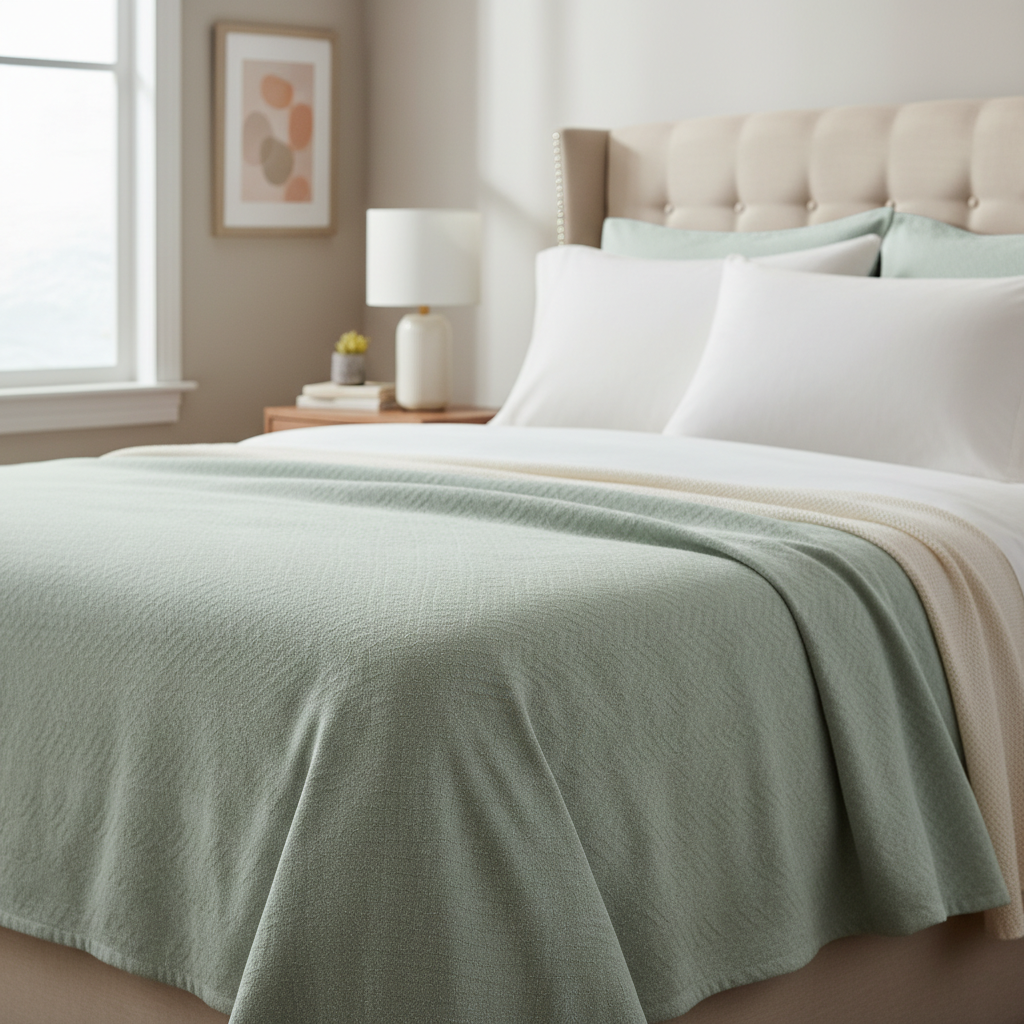
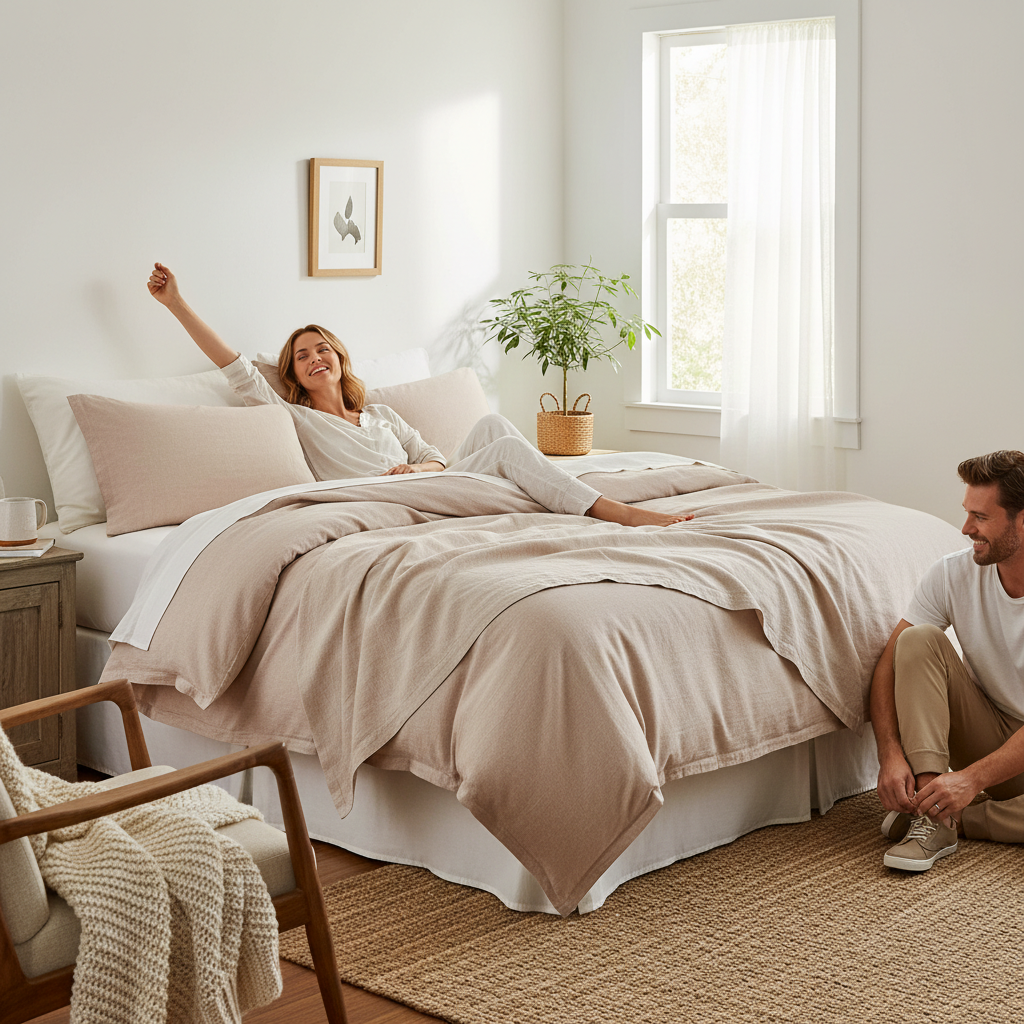
Linen baby bedding set, huh? To be honest, it’s having a moment. Everyone’s talking about natural fibers, breathable materials… it’s not just a trend, it’s a reaction to all the synthetics that flooded the market for years. I’ve been on sites where you walk in and the smell of plastic just hits you. Strangel,y enough, parents are really driving this, wanting something gentler for their little ones. It’s more than just ‘organic’ marketing, people are actually feeling the difference.
But don’t think it’s all sunshine and rainbows. A lot of manufacturers are jumping on the bandwagon, and the quality… well, let's just say it varies wildly. I've seen linen blends that feel like sandpaper and linen that frays after one wash. It's a constant battle to find reliable suppliers, you know? This whole “natural” thing isn’t a free pass to cut corners.
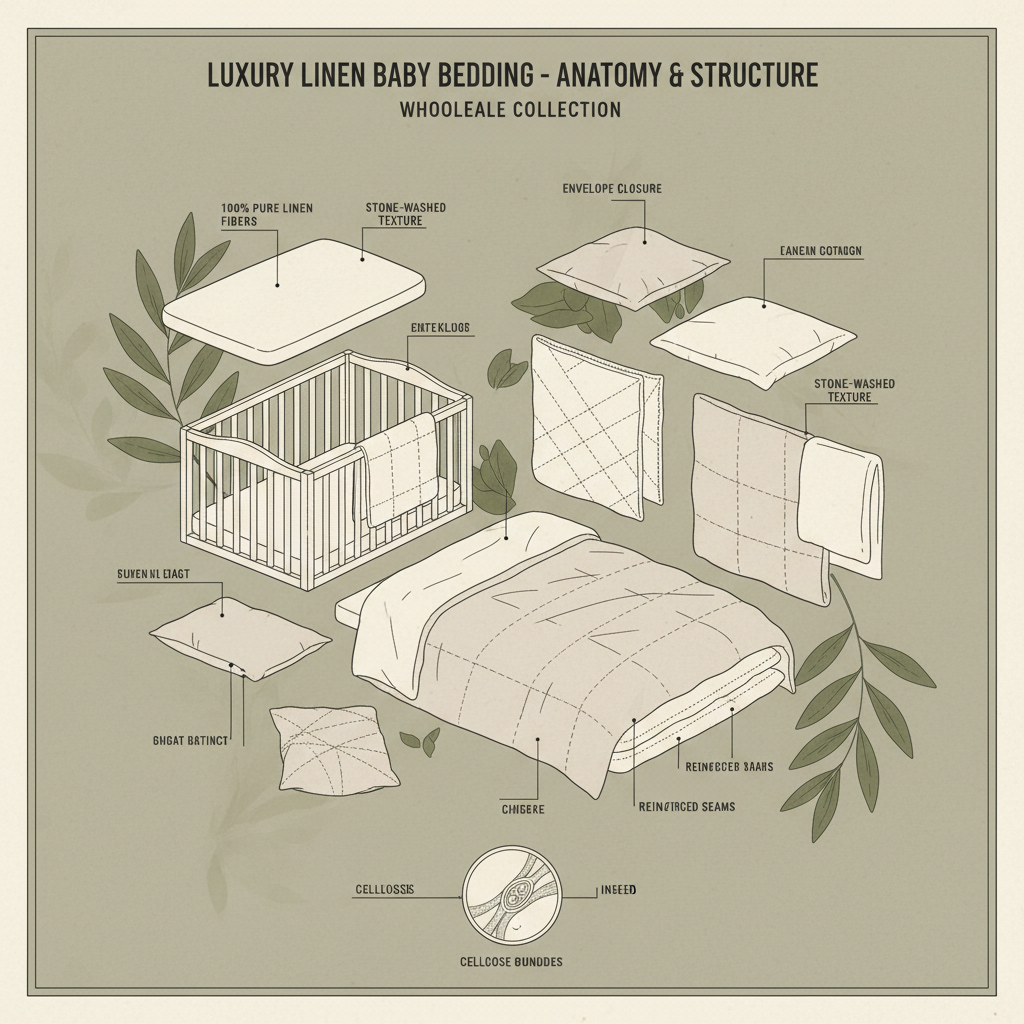
And it's not just about the fabric itself. People are expecting more from linen baby bedding set – they want fitted sheets that actually stay fitted, crib bumpers that are safe, and quilts that are… well, quilt-like. I encountered a whole mess last year with a company using really thin linen for fitted sheets. They looked pretty, but they stretched and pulled off the mattress the second a baby moved. Nightmare fuel for parents, let me tell you.
The Growing Popularity of Linen Baby Bedding Set
Have you noticed how everything's going back to basics? It's not just linen baby bedding set, it's wool, cotton, even hemp. People are tired of things that feel… artificial. They want texture, they want breathability, and they want something that feels good against their skin – and especially their baby’s skin. It’s a simple equation, really.
The demand's definitely up. I was talking to a textile mill owner in Portugal last month – he’s been swamped with orders. He told me they’re even having trouble sourcing enough high-quality flax. Which, honestly, is a good problem to have. It shows there's genuine interest, not just hype.
Design Considerations and Common Pitfalls
Here’s where things get tricky. A beautiful design on paper doesn’t mean anything if it doesn’t translate to a functional product. One of the biggest mistakes I see is overly complicated designs – too many ties, ruffles, or embellishments. Babies don't care about frills, and those things can actually be safety hazards.
Another thing is sizing. Linen shrinks, that's just a fact. Designers need to account for that. I’ve seen fitted sheets that are perfect when they first come out of the package, but become too small after one wash. It’s frustrating for the consumer and creates a lot of returns.
And don't even get me started on thread count. It’s a marketing ploy, really. High thread count doesn't necessarily mean higher quality. It’s about the quality of the linen fibers themselves and how tightly they’re woven.
Materials and Their Characteristics
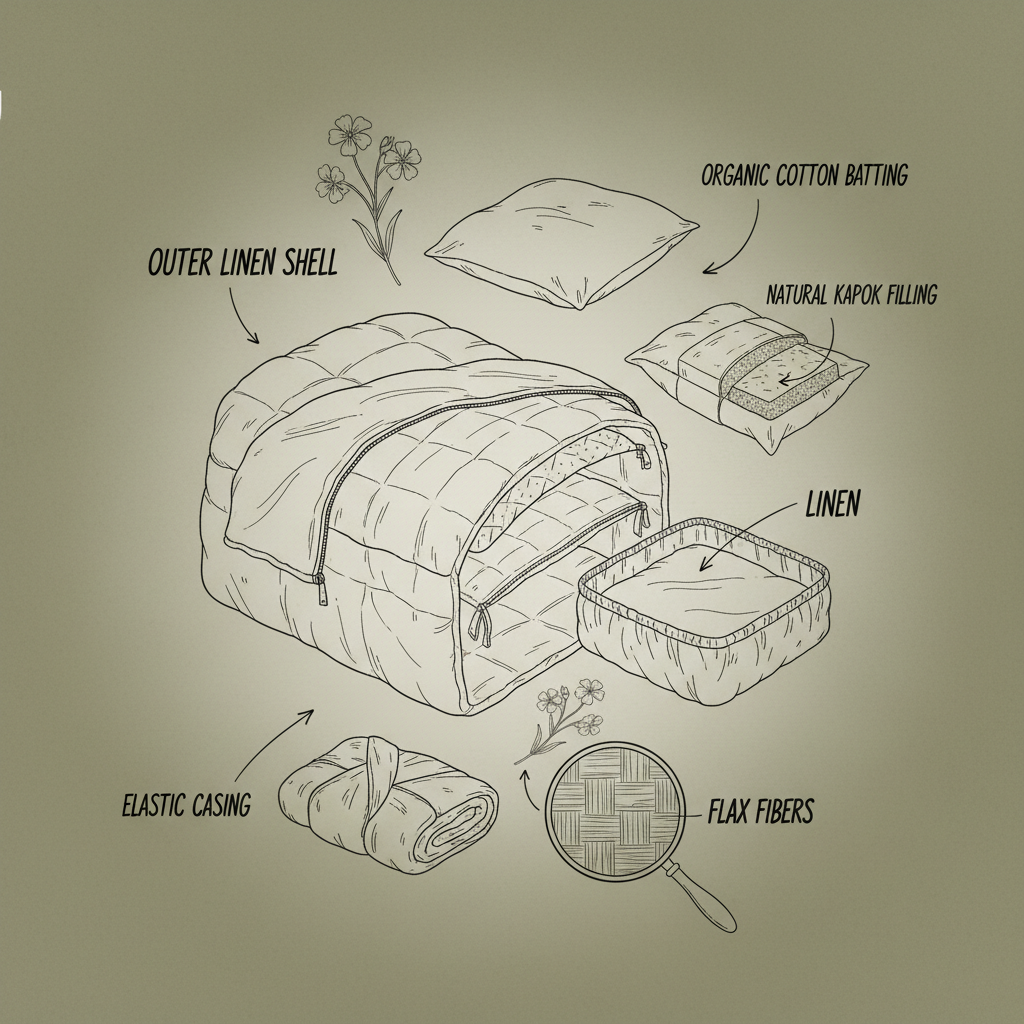
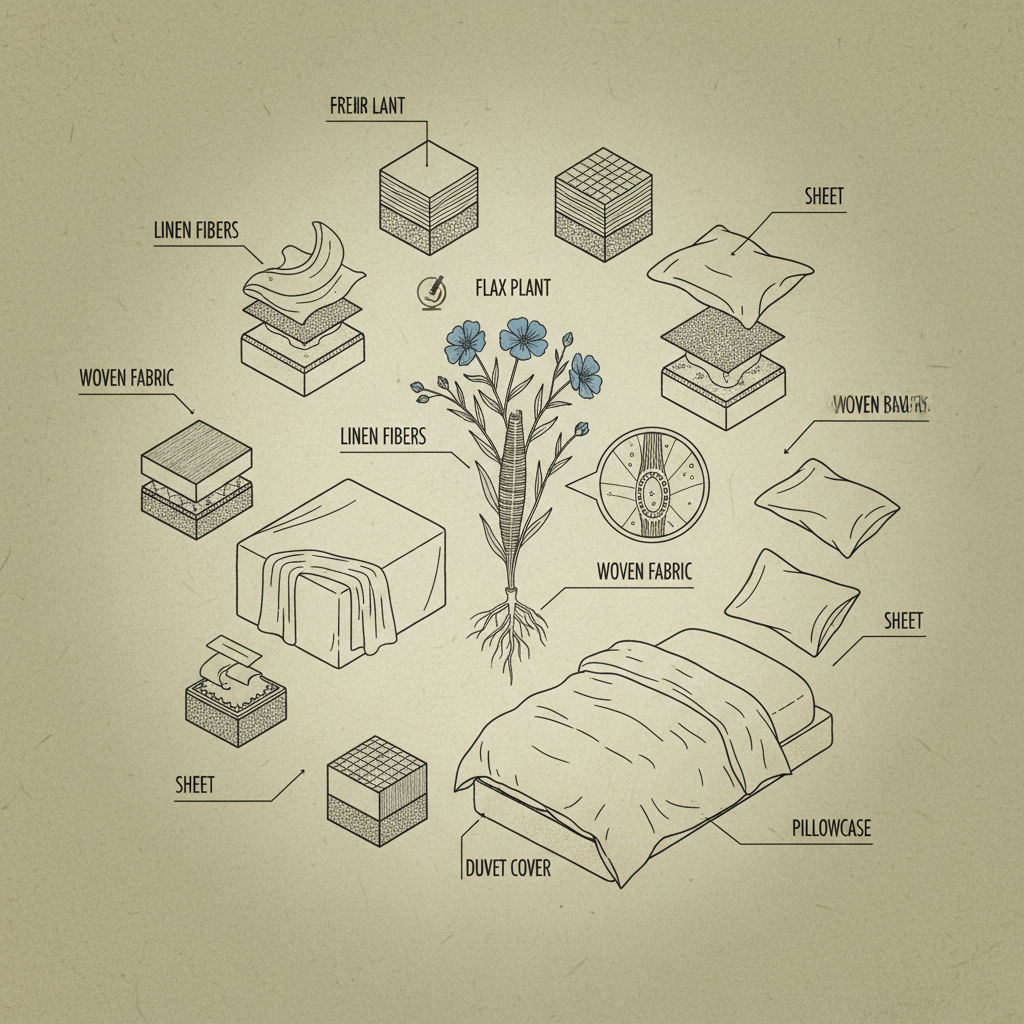
Okay, so linen comes from the flax plant, right? But not all flax is created equal. European flax – particularly from France, Belgium, and Ireland – is generally considered the highest quality. It’s stronger, finer, and more durable. You can actually feel the difference. It’s got a sort of weight to it, a natural sheen.
The smell too, is distinct. It’s not like the chemical scent of synthetic fabrics. Linen has this earthy, almost grassy smell when it's raw. It's a really pleasant scent, actually. And the texture? It's not silky smooth, it's got a bit of a slub, a natural irregularity. That’s part of its charm. Some people try to smooth it all out, but you lose some of the character that way.
Now, you'll find blends too – linen-cotton, linen-bamboo. They’re often cheaper, but you lose some of the benefits of pure linen. Cotton adds softness, but it doesn't have the same breathability. Bamboo is soft and sustainable, but it doesn’t have the same durability. Anyway, I think understanding the different blends is key when you're evaluating a linen baby bedding set.
Rigorous Testing in Real-World Scenarios
Lab tests are fine, but they don’t tell the whole story. I’m a firm believer in real-world testing. We send samples to families with babies – different ages, different climates, different washing habits. We ask them to use the bedding set for a month and give us honest feedback.
We also do wash tests, of course. But we don't just do a few washes. We do dozens. We want to see how the fabric holds up to repeated washing, drying, and ironing. We check for shrinkage, fading, and pilling. And, importantly, we check for the release of harmful chemicals. You’d be surprised what can leach out of fabrics, even “natural” ones.
Linen Baby Bedding Set Performance Metrics
Actual User Behavior vs. Expectations
It's funny, you think people are going to use things a certain way, but they rarely do. I’ve seen parents use crib bumpers as pillows, quilts as play mats... It's not what they're designed for, but that's life.
What’s surprising is how many people don’t follow the washing instructions. They throw everything in the dryer on high heat. Linen hates high heat. It shrinks, it fades, it gets all wrinkly. And then they complain about it! You just can’t win.
Advantages, Disadvantages, and Customization
The biggest advantage of linen baby bedding set? Breathability. It's just unmatched. It keeps babies cool in the summer and warm in the winter. It’s also hypoallergenic, which is great for sensitive skin. And it gets softer with every wash. That’s a win-win.
The downside? It wrinkles. A lot. You can iron it, but who has time for that? And it’s more expensive than cotton. But you get what you pay for, right? We do offer customization - last month, a customer in Germany wanted a specific shade of blue for the quilt, something that matched their nursery exactly. It was a pain to source, but we made it happen. That’s the kind of service that keeps people coming back.
A Real-World Customer Story
Last month, that small boss in Shenzhen who makes smart home devices insisted on changing the interface to . The result was a 3-week delay and a whole lot of headaches trying to find a compatible fabric supplier. He wanted to be ‘innovative,’ but he hadn’t thought through the logistics. Anyway, it all worked out in the end, but it was a good reminder that sometimes the simplest solution is the best.
The thing is, he wasn’t thinking about the end user – the baby. He was focused on the features, the design, the marketing. But ultimately, it’s the comfort and safety that matter most. We had to explain that to him, gently. Sometimes you just gotta tell people what they need to hear.
And that’s the key. It's about understanding the needs of the baby, the parents, and the people making the product. It's a whole ecosystem.
Summarizing Key Features of Linen Baby Bedding Set
| Material Source |
Wash Resistance |
Comfort Level |
Price Range (USD) |
| European Flax (France) |
Excellent (30+ washes) |
9/10 |
$150 - $300 |
| Chinese Flax |
Good (15-25 washes) |
7/10 |
$80 - $150 |
| Linen-Cotton Blend |
Moderate (10-20 washes) |
6/10 |
$60 - $100 |
| Organic Linen |
Excellent (30+ washes) |
8/10 |
$200 - $400 |
| Bamboo Linen Blend |
Good (15-25 washes) |
7/10 |
$90 - $180 |
| Recycled Linen |
Moderate (10-20 washes) |
6/10 |
$70 - $120 |
FAQS
The key is cold water and a gentle cycle. Avoid harsh detergents and bleach. Tumble dry on low, or better yet, hang it to dry. Linen actually loves being air-dried. It helps maintain its texture and prevents shrinkage. Honestly, people overcomplicate washing all the time. Just treat it gently, and it’ll last.
That depends. If you prioritize breathability, durability, and natural materials, then yes, absolutely. It's an investment, but a good set will last for years and can even be passed down to other kids. Cheaper alternatives might save you money upfront, but they won't offer the same long-term value or comfort. And, to be honest, the peace of mind knowing your baby is sleeping on something safe and natural is priceless.
Look for certifications like GOTS (Global Organic Textile Standard). That guarantees the linen was grown and processed without harmful chemicals. Don't just rely on labels that say "organic" – those can be misleading. Also, reputable brands will be transparent about their sourcing. If they can't tell you where the linen comes from, that’s a red flag.
Yes, it does. It’s the nature of the fiber. But honestly, a little wrinkling adds to its charm. If it really bothers you, you can iron it on low heat, but most people don’t bother. I’ve seen parents embrace the wrinkles—they see it as a sign of naturalness and authenticity. It's a small price to pay for all the benefits.
You can, but it's best to stick to natural fibers as much as possible. Mixing linen with synthetic fabrics can reduce breathability and increase the risk of irritation. If you're layering, opt for cotton or muslin. It's all about creating a comfortable and safe sleep environment for your little one.
Absolutely. Linen is surprisingly versatile. It's breathable enough for summer and provides enough warmth for winter. You just need to adjust the layering accordingly. In the summer, a simple linen sheet is perfect. In the winter, add a linen quilt or blanket. It’s a fabric that works year-round, which is a huge plus.
Conclusion
So, linen baby bedding set isn’t just a trend, it's a return to basics. It’s about choosing natural materials, prioritizing comfort and breathability, and investing in quality. There are pitfalls, sure – price, wrinkling, finding reliable suppliers – but the benefits outweigh the drawbacks for those who value a safe, healthy, and comfortable sleep environment for their babies.
Ultimately, whether this thing works or not, the worker will know the moment he tightens the screw. You can talk about certifications and thread counts all day long, but a parent will know if a linen sheet feels right. And that's what really matters. For more information and to browse our collection, visit our website: linen baby bedding set .