
Choosing The Ideal Napkins Fabric For Your Dining Needs And Preferences
Mar . 28, 2026 01:55 Back to list
Choosing The Ideal Napkins Fabric For Your Dining Needs And Preferences
Choosing the Right Napkins Fabric for Your Needs
Selecting the ideal napkins fabric is crucial for enhancing your dining experience, whether at home or in a commercial setting. The fabric impacts not only the aesthetic appeal but also the functionality and durability of your napkins. At Linen Home Tex, we specialize in providing high-quality fabrics tailored to various needs. This guide will explore different types of napkin fabrics, their characteristics, and how to choose the best option for your specific requirements. We’ll cover everything from linen and cotton to polyester blends, helping you make an informed decision.
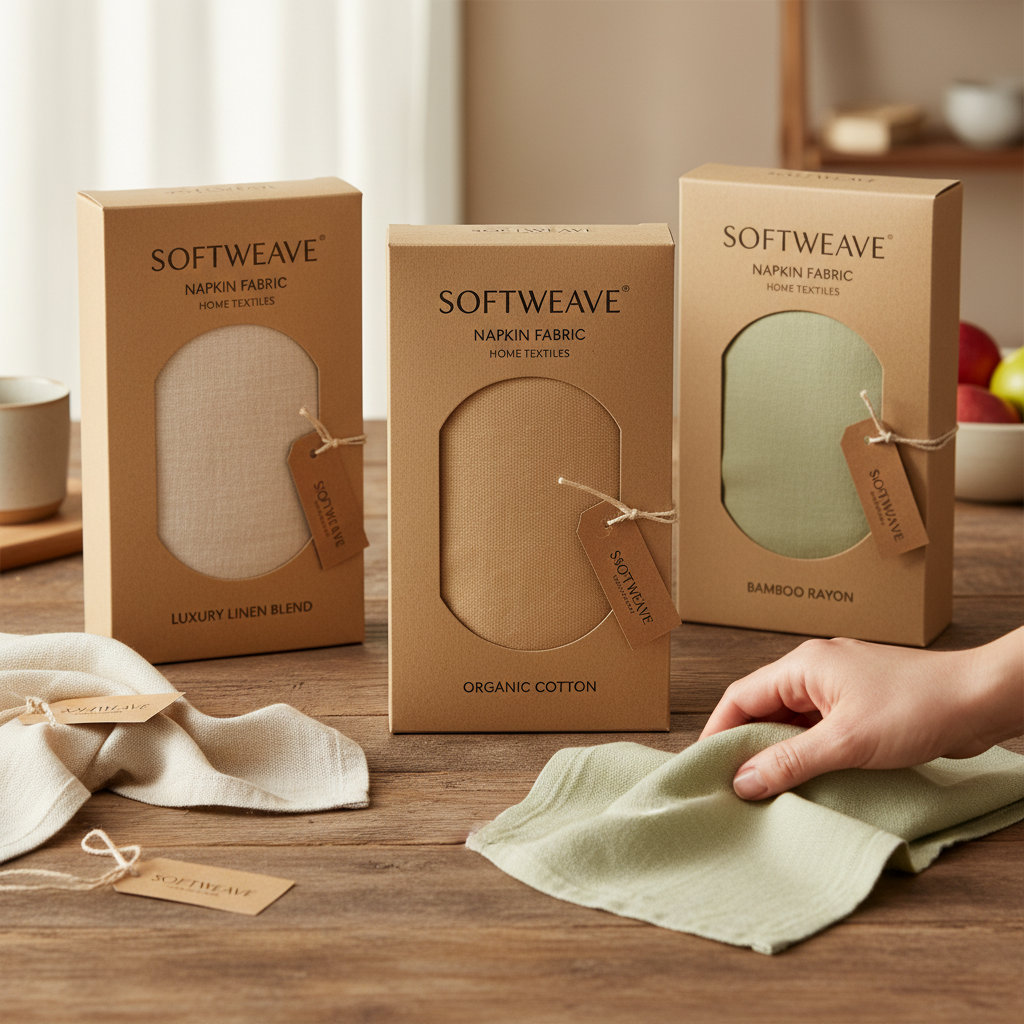
Understanding Different Napkins Fabric Types
Numerous fabrics can be used for napkins, each offering unique benefits. Linen is renowned for its elegance, durability, and absorbency, making it a popular choice for formal occasions. Cotton provides a softer feel and is more affordable, ideal for everyday use. Polyester is wrinkle-resistant and easy to care for, often used in commercial settings where practicality is paramount. Blends, combining the strengths of different fibers, offer a balance of properties. Understanding these differences is key to choosing the right fabric for your needs.
Key Highlights: Linen offers superior absorbency and durability, while cotton provides a softer touch. Polyester is ideal for wrinkle-resistance and easy maintenance.
A Detailed Look at Popular Napkins Fabrics
Let’s delve deeper into the specifics of common napkin fabrics. Linen, derived from the flax plant, is exceptionally strong and becomes softer with each wash. Cotton, a natural fiber, is available in various weights and weaves, influencing its texture and absorbency. Polyester, a synthetic fiber, is known for its resilience and minimal shrinkage. Bamboo is an eco-friendly option prized for its softness and sustainability. Each fabric has a distinct personality and best-suited application.
Fabric Benefits:
• Linen: Durable, absorbent, elegant.
• Cotton: Soft, affordable, versatile.
• Polyester: Wrinkle-resistant, easy care, durable.
• Bamboo: Eco-friendly, soft, sustainable.
Comparing Napkins Fabric: A Side-by-Side Analysis
To help you make the right choice, here’s a comprehensive comparison of the most popular napkin fabrics. This table outlines the key characteristics of each material, including absorbency, durability, wrinkle resistance, and cost. Understanding these differences will empower you to select the fabric that best aligns with your requirements.
Choosing the Right Napkins Fabric for Your Needs
Ultimately, the best napkins fabric depends on your specific needs and preferences. For formal events, linen is the preferred choice. For everyday use, cotton provides a comfortable and affordable option. Polyester is ideal for commercial settings due to its durability and ease of care. Consider the frequency of use, desired aesthetic, and budget when making your decision. At Linen Home Tex, we offer a wide selection of fabrics to suit any occasion.
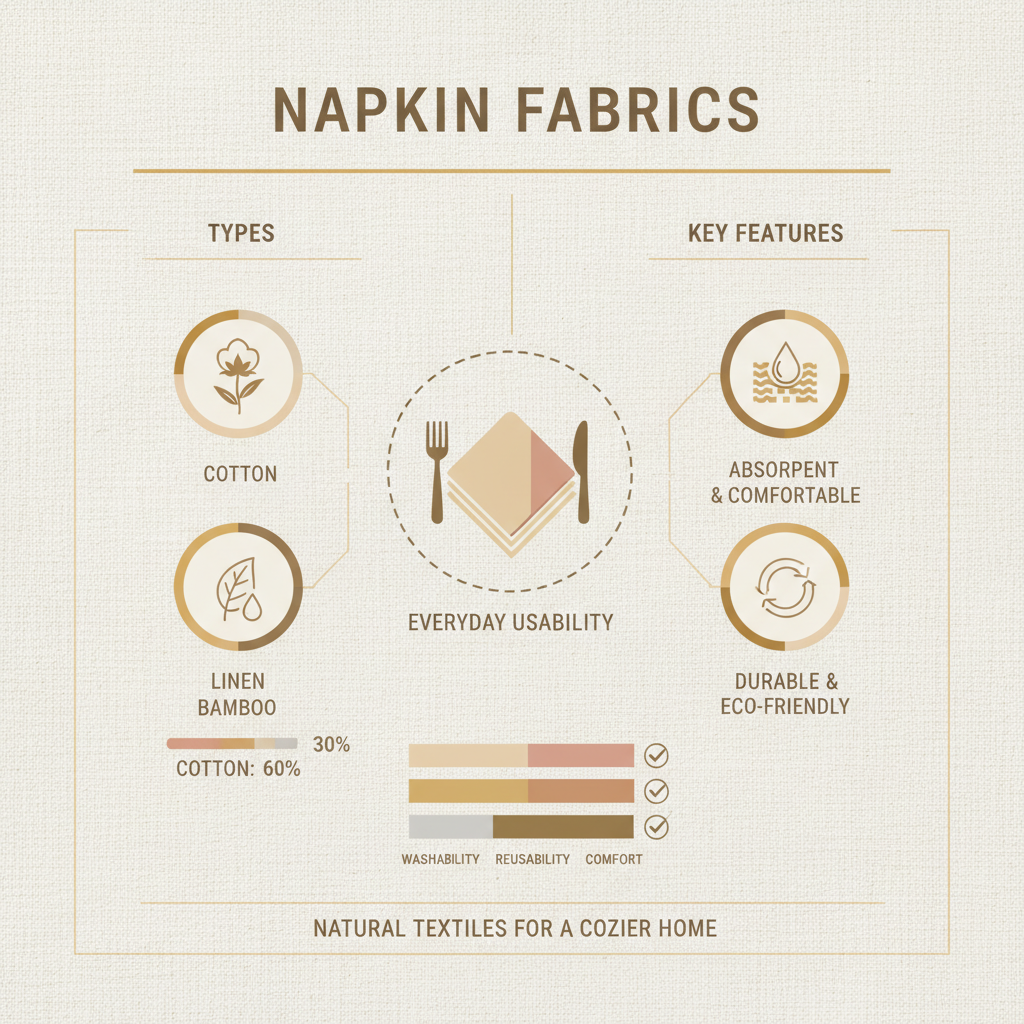
Care Instructions for Different Fabrics
Proper care is essential to maintain the quality and appearance of your napkins. Linen typically requires ironing after washing to maintain its crispness. Cotton can be machine washed and dried. Polyester is generally wrinkle-resistant and easy to care for. Bamboo requires gentle washing and air drying. Always follow the care instructions on the fabric label to ensure longevity.
Conclusion: Elevate Your Dining Experience with Quality Napkins Fabric
Choosing the right napkins fabric is a simple yet impactful way to enhance your dining experience. Whether you prioritize elegance, practicality, or sustainability, there's a fabric to suit your needs. Explore the diverse range of options available at Linen Home Tex and discover the perfect complement to your table setting.
Frequently Asked Questions (FAQs)
What is the difference between linen and cotton napkins?
Linen napkins are generally more durable and absorbent than cotton napkins, and they have a more luxurious feel. However, they also wrinkle more easily and are typically more expensive. Cotton napkins are softer and more affordable, making them a good choice for everyday use. Linen is ideal for formal settings, while cotton is more versatile for casual occasions.
Are polyester napkins a good option for commercial use?
Yes, polyester napkins are an excellent choice for commercial use due to their durability, wrinkle resistance, and easy maintenance. They can withstand frequent washing and are less prone to staining than other fabrics. This makes them a cost-effective and practical solution for restaurants, catering services, and other businesses.
How do I care for bamboo napkins?
Bamboo napkins are best washed in cold water on a gentle cycle. Avoid using bleach or fabric softeners, as these can damage the fibers. It's recommended to air dry bamboo napkins to prevent shrinkage and maintain their softness. Ironing is generally not necessary, but if desired, use a low heat setting.
What size napkins should I choose?
Napkin size typically ranges from 18x18 inches to 22x22 inches. A 20x20 inch napkin is a versatile option for most dining settings. For formal occasions, larger napkins (22x22 inches) are often preferred. Consider the size of your plates and the overall aesthetic you're aiming for when choosing napkin size.
-
Elevate Your Dining Experience with Premium Modern Napkins
NewsApr.16,2026
-
How to create your own fabric napkins for custom dining guide
NewsApr.09,2026
-
Elegant Green Napkins for Wedding Linens and Styling Ideas
NewsApr.07,2026
-
Enhance Your Dining Experience with Luxurious Emerald Green Napkins
NewsApr.04,2026
-
Elevate Your Brand with Custom Linen Napkin with Logo Solutions
NewsMar.31,2026
-
Choosing The Ideal Napkins Fabric For Your Dining Needs And Preferences
NewsMar.28,2026