
How to create your own fabric napkins for custom dining guide
Apr . 09, 2026 01:55 Back to list
How to create your own fabric napkins for custom dining guide
How to Create Your Own Fabric Napkins: A Complete Guide to Custom Dining
Elevating your dining experience doesn't always require a complete remodel of your dining room. Often, the most impactful changes come from the smallest details. When you decide to create your own fabric napkins, you are blending sustainability with personal style. Moving away from disposable paper options not only reduces environmental waste but also adds a touch of luxury and warmth to every meal. Whether you are a seasoned sewist or a complete beginner, crafting your own linens allows you to control the fabric quality, size, and aesthetic to perfectly match your home decor. In this guide, we will walk you through everything from material selection to the final hem.
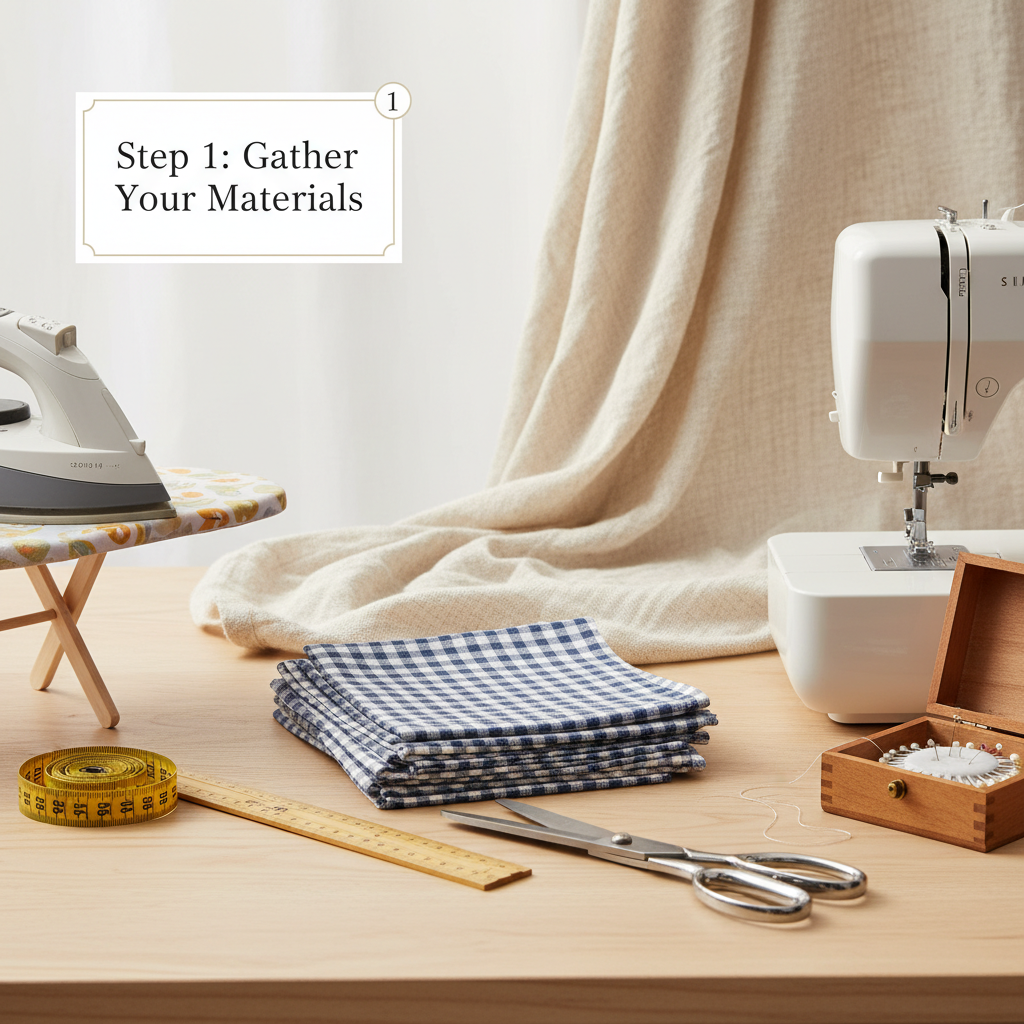
Choosing the Right Fabric to Create Your Own Fabric Napkins
The secret to a high-quality napkin lies in the textile. Since napkins are designed for absorption and frequent washing, not all fabrics are created equal. Linen is the gold standard for dining due to its exceptional durability and natural antibacterial properties. Cotton is a fantastic, soft alternative that is easy to sew and highly absorbent. For those looking for a more formal look, a cotton-linen blend offers the structural elegance of linen with the softness of cotton. When you create your own fabric napkins, ensure you choose a "pre-shrunk" fabric or wash it before cutting to avoid the dreaded shrinkage after the first laundry cycle.
Pro Tip: Always check the fabric weight. A medium-weight weave provides the best balance between absorbency and the ability to hold a crisp fold or a decorative ring.
Essential Tools and Measurements
Precision is key to ensuring your napkins look professional and uniform across your table. Before you begin to create your own fabric napkins, gather your toolkit. You will need a sharp fabric shear, a rotary cutter with a mat for perfectly straight edges, a sewing machine with a straight stitch, and a high-heat iron for pressing seams. The size of your napkin depends on the formality of the meal: lunch napkins are typically smaller, while dinner napkins require more surface area to protect clothing during multi-course events.
Step-by-Step Process to Create Your Own Fabric Napkins
Now that you have your materials, it is time to execute. First, cut your fabric into equal squares based on the measurements above, adding an extra inch for the hem. Second, fold and press the edges. A professional "mitered corner" is the hallmark of high-end linens; it prevents the corners from becoming bulky. Third, stitch the hem using a straight stitch, keeping the line consistent and close to the fold. Finally, press the completed napkin with a steam iron to set the stitches and give it that crisp, hotel-like finish. This systematic approach ensures that when you create your own fabric napkins, they look store-bought but feel personalized.
Comparing Handmade vs. Store-Bought Napkins
You might wonder if the effort to create your own fabric napkins is worth it compared to buying a ready-made set. The primary advantage of DIY is customization; you can choose a specific shade of linen or a unique organic weave that isn't available in retail stores. Additionally, handmade napkins often have higher quality seams if you use a tight, durable stitch, whereas mass-produced options may use overlock stitching that frays over time. From an environmental perspective, sourcing sustainable fabrics directly allows you to reduce the carbon footprint associated with global shipping of pre-packaged sets.
Care and Maintenance of Your Custom Linens
Once you successfully create your own fabric napkins, proper care is essential to ensure they last for decades. For linen and cotton, warm water is generally safe, but cold water prevents premature fading of dyed fabrics. Avoid using bleach, as it weakens the natural fibers and can cause yellowing over time. Instead, use an oxygen-based stain remover for stubborn food spots. For that professional, crisp look, iron the napkins while they are still slightly damp; this makes it much easier to remove wrinkles and achieve those sharp, clean edges.
Care Highlights:
• Wash in cold or warm water to maintain fiber strength
• Air dry for linen to avoid shrinkage
• Iron while damp for a professional finish
• Use mild, eco-friendly detergents
Conclusion: The Joy of Personalized Dining
Learning to create your own fabric napkins is more than just a sewing project; it is a commitment to a more mindful and elegant lifestyle. By choosing quality materials and taking the time to craft them yourself, you create heirlooms that bring beauty to every gathering. Whether for a grand holiday feast or a simple Tuesday breakfast, custom linens reflect a level of care and intention that store-bought items simply cannot match. Start your journey today and transform your table into a sanctuary of style.
Frequently Asked Questions (FAQs)
What is the best fabric for beginners who want to create their own fabric napkins?
For beginners, cotton or a cotton-poly blend is highly recommended. Cotton is stable, meaning it doesn't slip or slide much while you are sewing, making it much easier to maintain straight lines. It is also widely available and affordable. Once you have mastered the basic hem and corner techniques with cotton, you can move on to pure linen, which is more luxurious but can be slightly more "shifty" under the sewing machine foot. Regardless of the fabric, always remember to pre-wash your material to ensure the final size remains consistent after the first real wash.
Do I need a professional sewing machine to make these?
Absolutely not. While a sewing machine makes the process faster, you can certainly create your own fabric napkins using a hand-sewing needle and strong thread. A simple running stitch followed by a backstitch for reinforcement will work perfectly. Hand-sewing actually adds a "couture" feel to the linens. If you do use a machine, a basic straight-stitch function is all you need. The most important "tool" is actually your iron—pressing your seams flat is what separates a homemade-looking napkin from a professional-grade one.
How can I prevent the edges from fraying?
Fraying is common with natural fibers like linen. The best way to prevent this is by using a double-fold hem. Instead of folding the edge once and sewing it, you fold it over twice (usually 1/4 inch each time). This completely encases the raw edge of the fabric inside the fold, leaving no threads exposed. If you have a sewing machine with a zigzag stitch, you can also zigzag the raw edge before folding it as an extra layer of security. For a truly high-end look, a mitered corner is the best way to ensure the corners stay neat and fray-free.
Where can I find high-quality fabrics for my napkins?
Finding the right source is critical for a professional result. You can look for specialty textile wholesalers or home linen experts. For those seeking a blend of quality, sustainability, and professional grade materials, visiting Linen Home Tex is a great starting point. Look for fabrics labeled as "heavyweight linen" or "damask cotton" for dinner napkins, as these provide the structure needed for elegant folding and long-term durability in a busy household.
-
Elevate Your Dining Experience with Premium Modern Napkins
NewsApr.16,2026
-
How to create your own fabric napkins for custom dining guide
NewsApr.09,2026
-
Elegant Green Napkins for Wedding Linens and Styling Ideas
NewsApr.07,2026
-
Enhance Your Dining Experience with Luxurious Emerald Green Napkins
NewsApr.04,2026
-
Elevate Your Brand with Custom Linen Napkin with Logo Solutions
NewsMar.31,2026
-
Choosing The Ideal Napkins Fabric For Your Dining Needs And Preferences
NewsMar.28,2026