Honestly, the whole baby bedding set crib scene has gone a little crazy lately. Everyone's chasing "organic," "hypoallergenic," and "breathable," which, look, is good. People want safe stuff for their little ones. But it feels like a marketing arms race sometimes. I was at a factory in Nantong last month, and they were showing me this bamboo fiber crib sheet set… smelled like, well, bamboo. Which isn't bad, but it's strong. And the guys on the line were complaining it frayed easily when they were cutting it.
You know what I’ve noticed? A lot of designers, bless their hearts, have never actually handled these materials. They design something on a screen that looks beautiful, but doesn’t translate well to real-world manufacturing. Like those quilted crib bumpers with all the fancy stitching. Looks great in the catalog, but trying to get that consistent, even quilting on a large scale? Forget about it. It becomes a nightmare for quality control.
And the materials themselves… it’s not just cotton anymore. We're seeing a lot of Tencel Lyocell now. Feels incredibly soft, almost silky. A bit pricey, though. And it needs special handling – can't just throw it in a regular wash with everything else. Then there’s the organic cotton – it’s… cotton. It feels like cotton. But the paperwork! Oh, the paperwork to prove it's actually organic. Strangel enough, sometimes I think the standard cotton is better because it's easier to work with.
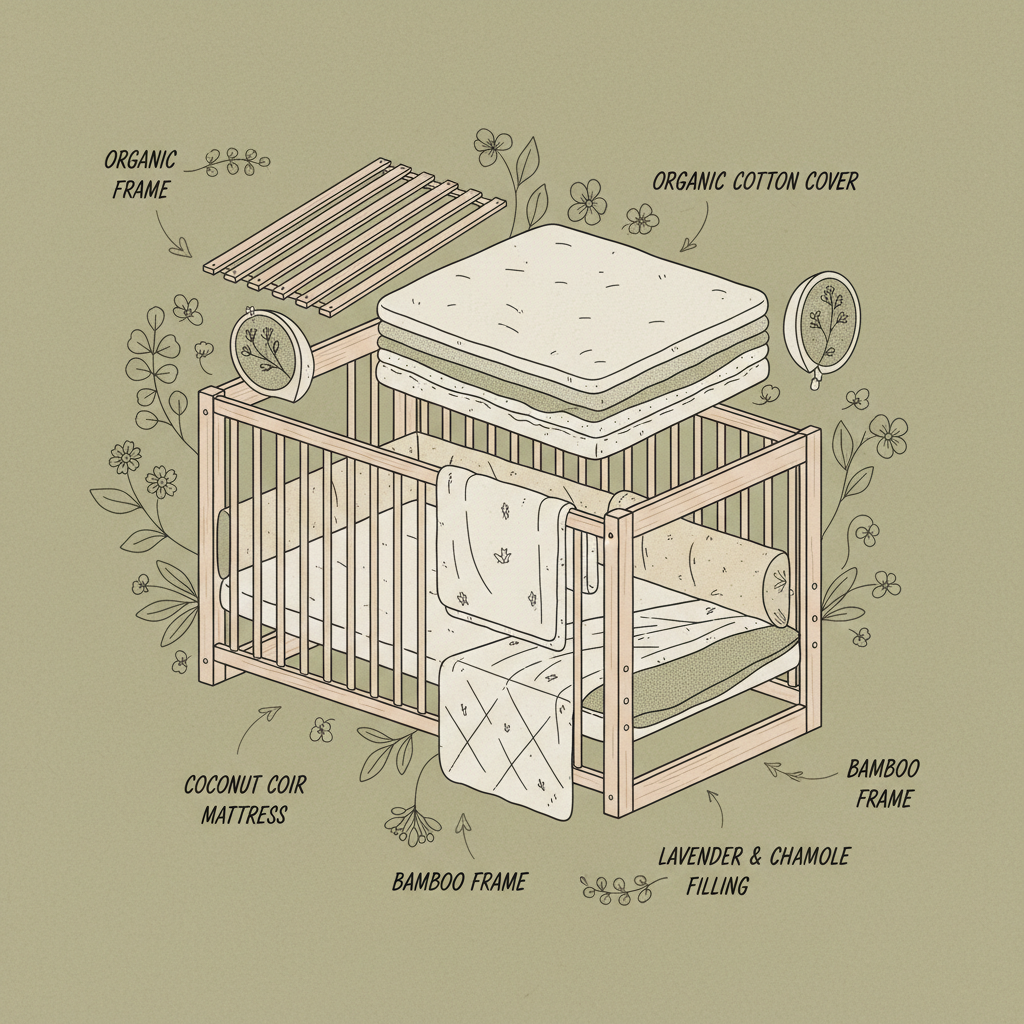
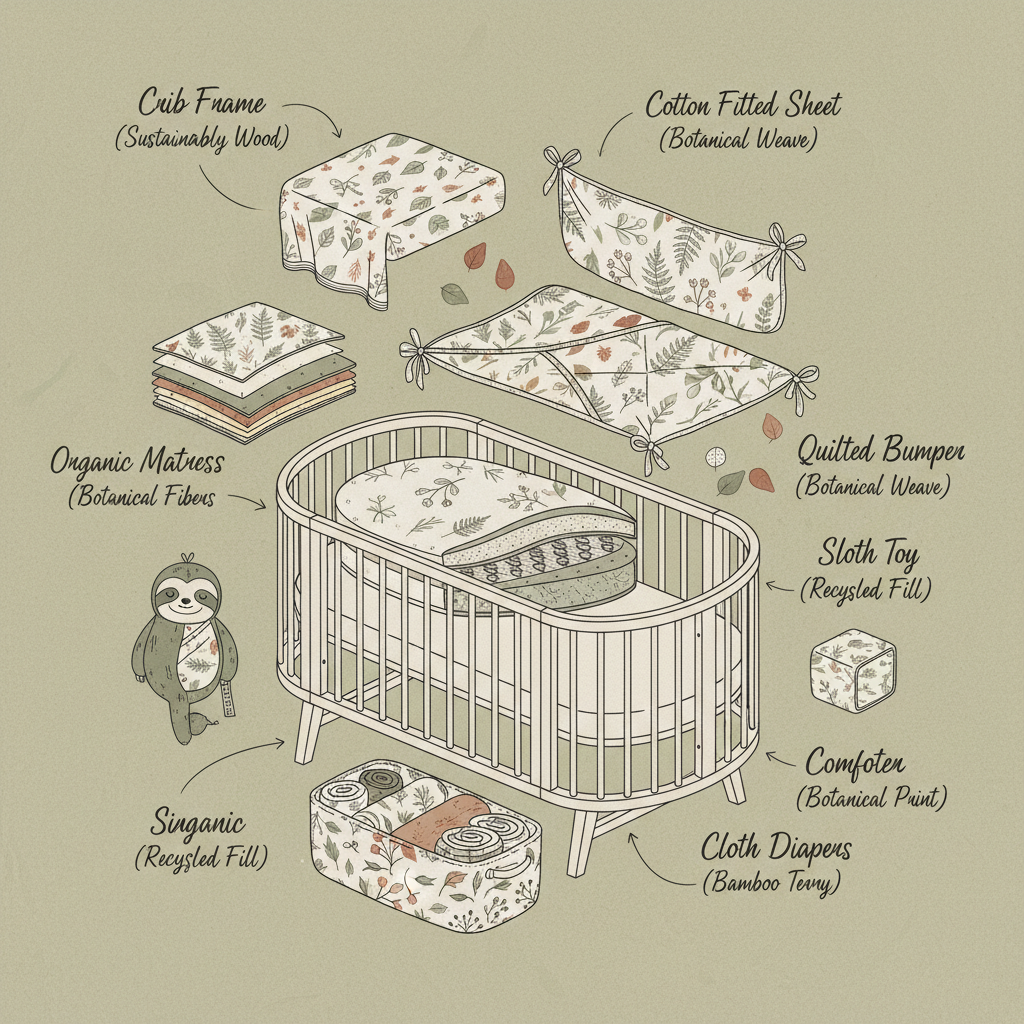
To be honest, the demand for baby bedding set crib is consistently high – it's babies, right? They’re born every day. But what's trending is the move toward sustainability. Parents want products that are not only safe for their babies but also kind to the planet. We're getting more requests for recycled materials, organic certifications, and reduced packaging. It's a good thing, don't get me wrong, but it adds a whole layer of complexity to the sourcing and manufacturing process.
There’s also a big push for “smart” bedding now. We had a client ask for a crib sheet that could monitor the baby's temperature and breathing. I mean, come on. That feels like overkill. But, hey, if people are willing to pay for it…
Organic cotton crib sheets are made from cotton grown without the use of synthetic pesticides, herbicides, or fertilizers. This makes them a potentially better choice for babies with sensitive skin or allergies. However, they can be more expensive and may not be significantly more durable than regular cotton. It really comes down to preference and budget. We also check for GOTS certification to ensure the "organic" claim is valid.
Ideally, you should wash your baby's crib sheets every 2-3 days. Babies are messy! Even if there aren't visible stains, body oils and saliva can build up. Always use a mild, fragrance-free detergent. And avoid fabric softeners, as they can reduce the absorbency of the fabric. Parents often underestimate how frequently they should be washing these.
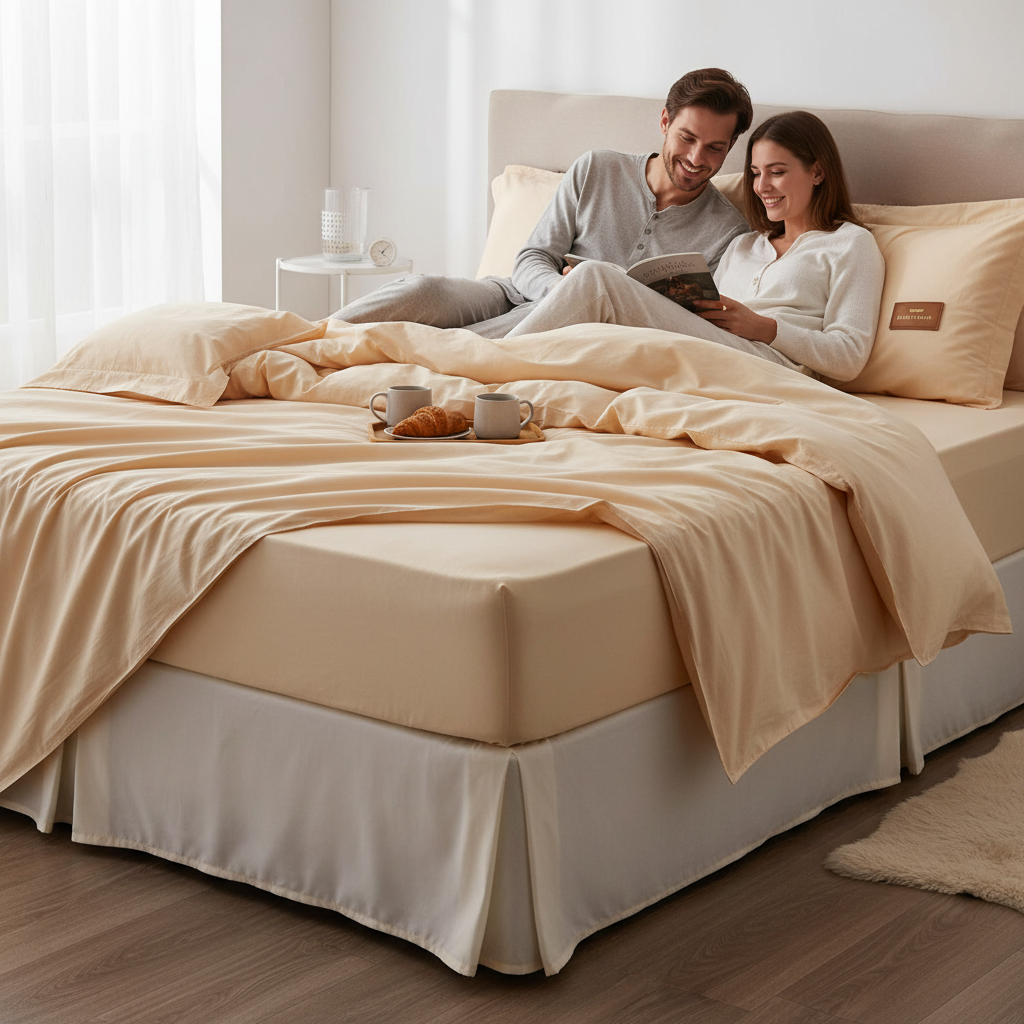
Fitted sheets are generally considered safer because they stay securely in place and are less likely to become loose and pose a suffocation hazard. Flat sheets can easily come untucked, creating wrinkles and potential dangers. Always ensure the fitted sheet is the correct size for your crib mattress and fits snugly. That’s the number one thing, honestly.
Thread count isn't everything, especially with baby bedding. A higher thread count doesn’t necessarily mean a better sheet. In fact, sometimes it can mean a heavier, less breathable sheet. We generally recommend looking for a thread count between 200 and 400. Focus more on the quality of the cotton or other fiber used. A softer feel is always a good sign.
Yes, absolutely! A waterproof mattress protector is a great idea, especially for younger babies. It will protect your mattress from spills and messes. Just make sure it's breathable to prevent overheating. And choose one that fits snugly under the fitted sheet. Don’t skimp on this one, trust me. You'll thank yourself later.
Look for certifications like Oeko-Tex Standard 100, which ensures the fabric has been tested for harmful substances. Also, check the label for any chemical treatments or dyes that might be irritating. And when in doubt, choose products made from natural, organic materials. It gives you peace of mind, even if it costs a bit more.
So, there you have it. Baby bedding set crib isn’t just about cute patterns and soft fabrics. It's about safety, durability, sustainability, and understanding the real-world needs of both babies and parents. From material sourcing to manufacturing processes to testing and usage, every detail matters. It's a surprisingly complex world, and it's constantly evolving.
Looking ahead, I think we'll see even more innovation in this space. More sustainable materials, smarter designs, and more personalized options. But at the end of the day, the most important thing is to create products that are safe, comfortable, and reliable. And remember, ultimately, whether this thing works or not, the worker will know the moment he tightens the screw.