The world of early childhood development is constantly evolving, with parents and caregivers seeking safe, stimulating, and versatile environments for their little ones. A round baby play mat stands out as a key element in creating such a space, offering a dedicated area for play, exploration, and crucial developmental milestones. From tummy time to learning to sit and crawl, these mats provide a comfortable and hygienic foundation for a baby’s journey.
Globally, the demand for high-quality baby products is soaring, fueled by increasing awareness of early childhood education and a growing middle class in emerging economies. The United Nations estimates that over two million babies are born each day, creating a substantial market for products like the round baby play mat. Concerns about safety, hygiene, and developmental support are driving consumers to seek out products that meet rigorous standards.
Investing in a round baby play mat isn't simply purchasing a product; it's investing in a baby’s future. It fosters a secure environment for crucial motor skill development, cognitive stimulation, and social interaction. Understanding the various features and benefits of these mats empowers parents to make informed decisions that positively impact their child's growth and well-being.
Introduction: The Significance of Round Baby Play Mats
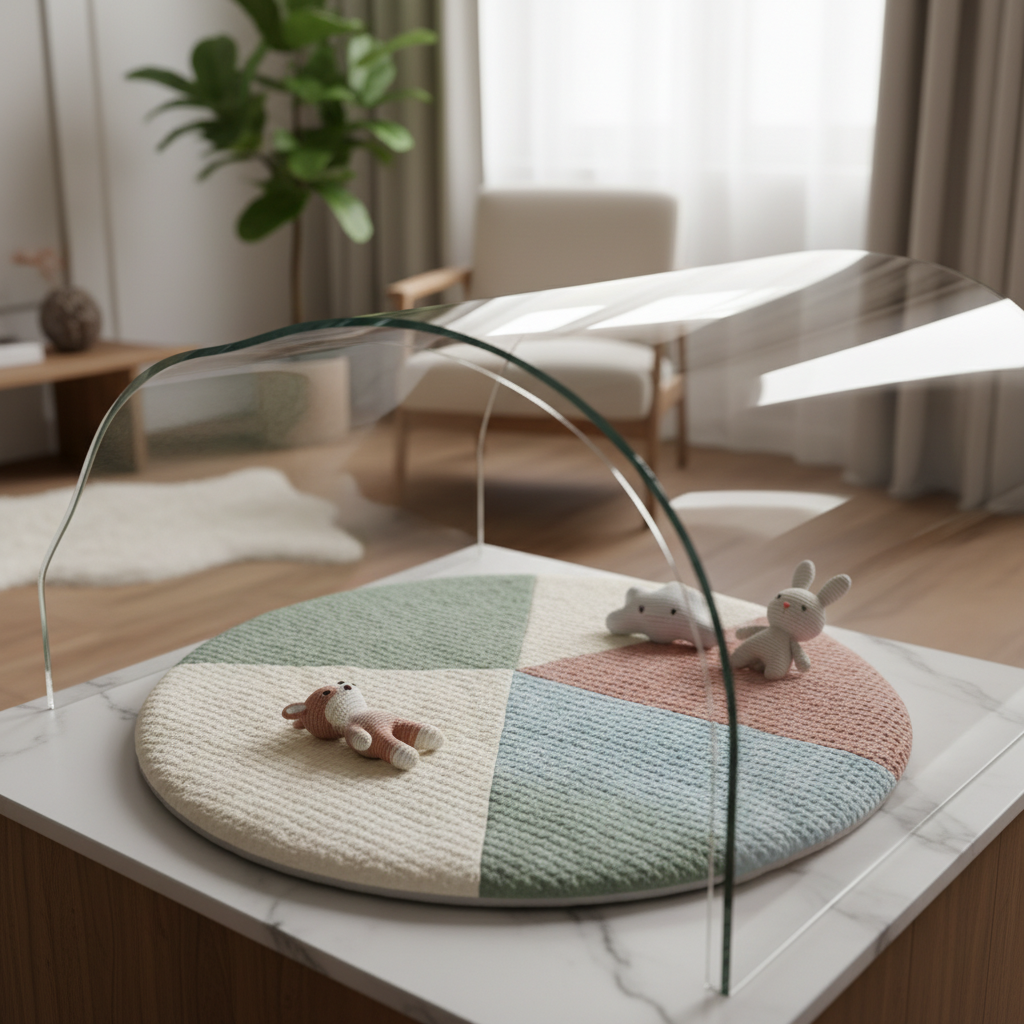
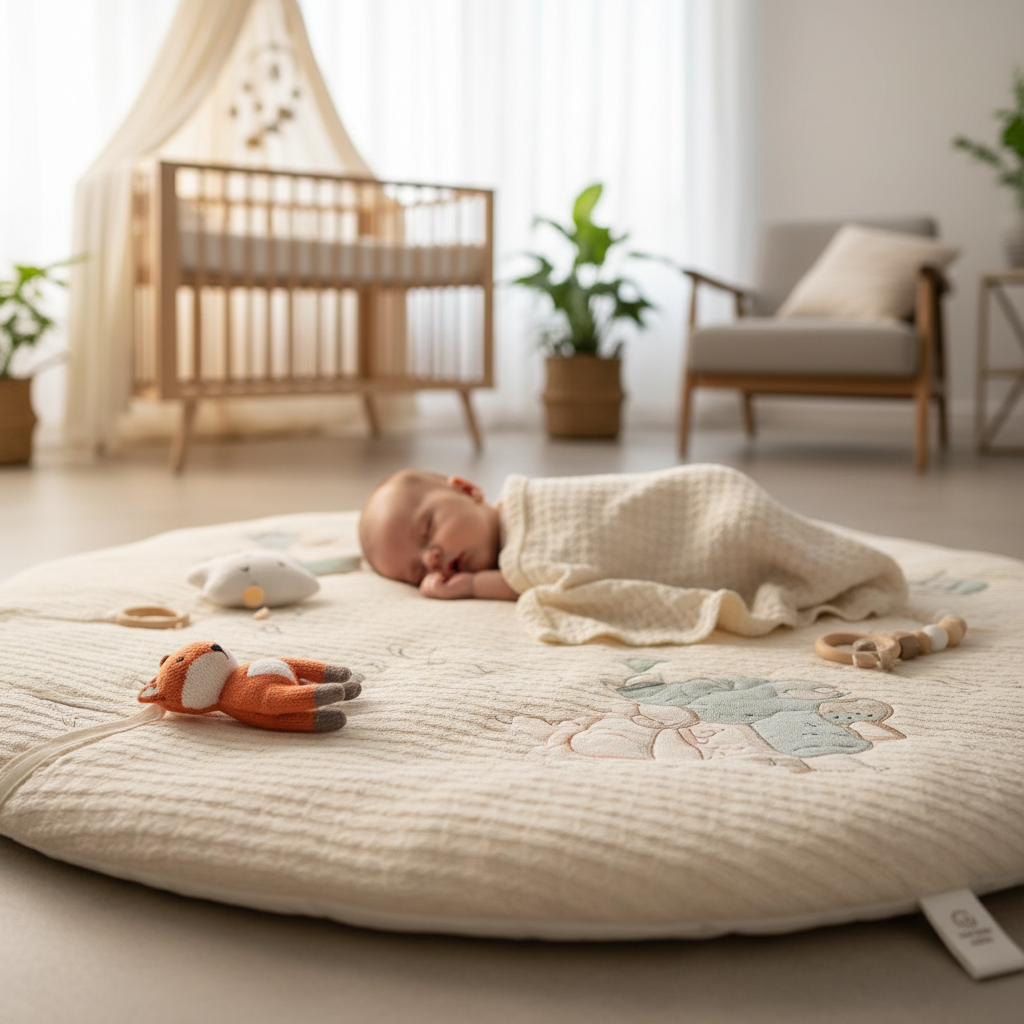
A round baby play mat is more than just a soft surface; it's a foundational element in a baby’s early learning environment. Its circular design encourages 360-degree play, fostering spatial awareness and promoting freedom of movement. It provides a dedicated and safe space for exploration, reducing the risk of bumps and bruises while supporting the development of gross motor skills.
The importance of dedicated play spaces cannot be overstated. Research in early childhood development emphasizes the need for environments that stimulate curiosity and encourage active learning. A well-chosen round baby play mat serves as the anchor for such a space, inviting play and fostering a sense of security for the developing child.
Defining the Round Baby Play Mat
Simply put, a round baby play mat is a cushioned surface specifically designed to provide a safe and comfortable space for infants and toddlers to play. Unlike traditional rectangular play mats, the round shape offers a more open and inviting play area, encouraging babies to reach, roll, and explore in all directions.
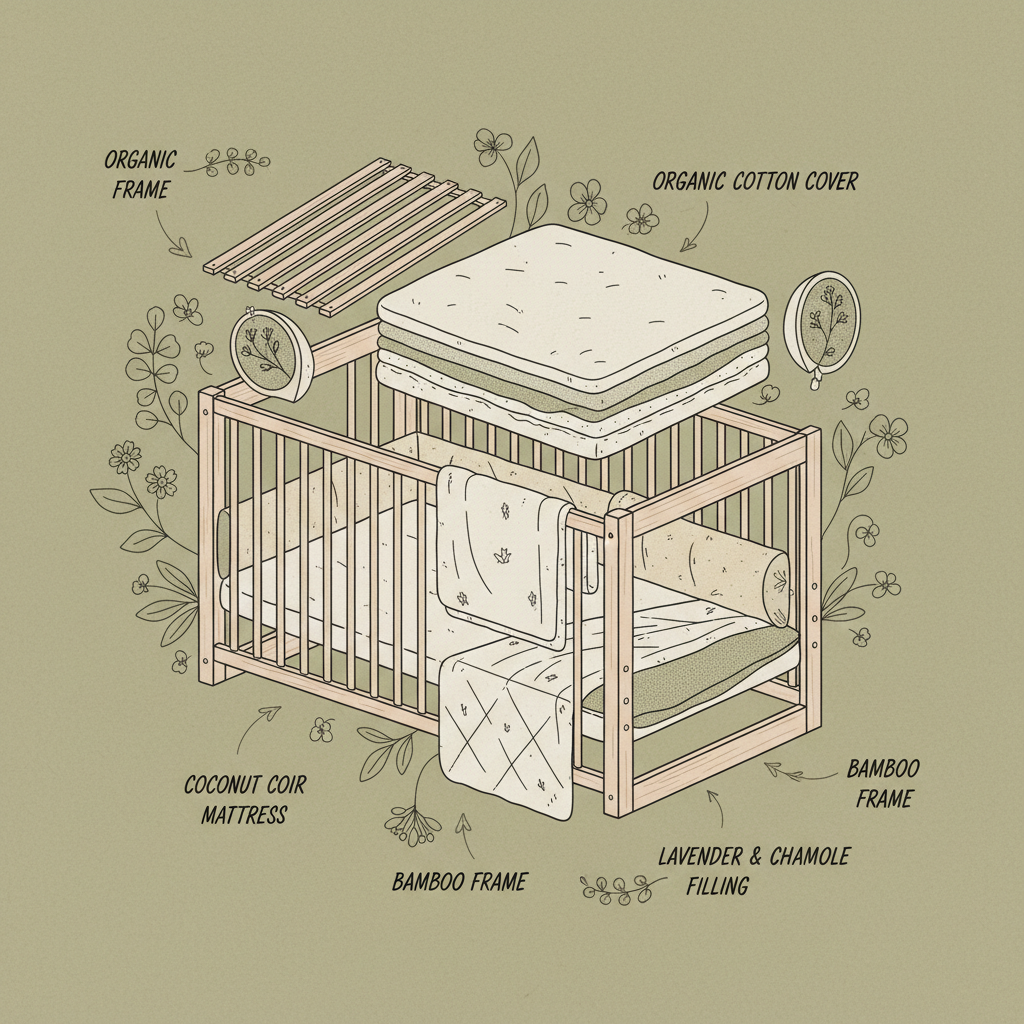
These mats are typically constructed from non-toxic materials, prioritizing the baby's safety and well-being. Common materials include foam, cotton, and PVC, each offering different levels of cushioning, durability, and ease of cleaning. Increasingly, eco-friendly and sustainable materials are gaining popularity, reflecting a growing consumer demand for environmentally conscious products.
The modern round baby play mat connects directly to modern industry needs for safe, functional, and aesthetically pleasing baby products. It addresses the humanitarian need for comfortable and hygienic spaces for vulnerable infants in various settings, from homes to childcare centers.
Core Components & Key Considerations
When selecting a round baby play mat, several key factors come into play. Cushioning is paramount, providing support for developing muscles and absorbing impact during tumbles. Different materials offer varying levels of cushioning, so understanding these differences is crucial.
Material Safety is non-negotiable. Look for mats certified free of harmful chemicals like BPA, phthalates, and lead. Non-toxic materials protect your baby from potential health risks and ensure a worry-free play experience.
Durability and Cleanability are essential for long-term use. A high-quality mat should withstand repeated use and be easy to clean, resisting stains and odors. Consider whether the mat is machine washable or requires spot cleaning. Furthermore, Size impacts the usability of the mat; a larger mat allows for more expansive play, while a smaller mat is more portable. Finally, Design and Aesthetics contribute to the overall appeal of the play space, adding a touch of style to your home.
Global Applications & Diverse Uses
The applications of a round baby play mat extend far beyond the home. Childcare centers and preschools utilize them to create safe and stimulating play areas for multiple children. Pediatricians often recommend them for tummy time and early developmental exercises.
In developing countries, round baby play mats are increasingly being incorporated into early childhood intervention programs, providing a clean and comfortable surface for infants in resource-limited settings. These mats are also used in temporary shelters and refugee camps to offer a designated play area for children affected by displacement.
Organizations dedicated to early childhood development frequently integrate these mats into their programs. For example, UNICEF supports initiatives that promote safe and stimulating environments for infants, often utilizing play mats as a key component. In post-disaster relief operations, quick-deployable round baby play mats can provide a much-needed safe space for children traumatized by the event.
Round Baby Play Mat Feature Comparison
Advantages & Long-Term Value Proposition
The benefits of investing in a round baby play mat are multifaceted. From a cost perspective, a durable mat can last through multiple children, offering significant long-term savings compared to constantly replacing other play surfaces.
In terms of sustainability, choosing mats made from eco-friendly materials minimizes environmental impact. Emotionally, a safe and comfortable play space provides peace of mind for parents, knowing their baby is exploring in a secure environment. Logically, it fosters the development of crucial motor skills and cognitive abilities, setting a strong foundation for future learning. The resulting trust in a brand that prioritizes safety and quality further reinforces the value proposition.
Future Trends & Emerging Innovations
The future of round baby play mats is likely to see a greater emphasis on smart technology integration. Mats with embedded sensors could track a baby's movements and provide data on developmental milestones, offering valuable insights for parents and caregivers.
We can also expect to see increased adoption of sustainable and biodegradable materials, reducing the environmental footprint of these products. Furthermore, customization options are likely to become more prevalent, allowing parents to personalize the mat's design and features to suit their individual needs and preferences.
Challenges & Innovative Solutions
One common challenge is ensuring the longevity of the mat, particularly with active babies. Innovative solutions include reinforced stitching and more durable materials that can withstand wear and tear. Another challenge is maintaining hygiene, especially in environments with multiple children.
Addressing this requires mats that are easy to disinfect and resistant to staining. Developing antimicrobial materials is another promising avenue for innovation. Finally, affordability can be a barrier for some families. Exploring alternative materials and manufacturing processes can help reduce production costs without compromising quality.
The development of modular round baby play mats—sections that can be added or removed—provides flexibility and allows for expansion as a child grows, offering a solution to both space limitations and changing developmental needs.
Summary of Round Baby Play Mat Challenges and Solutions
| Challenge |
Impact Level (1-5) |
Proposed Solution |
Implementation Cost (1-5) |
| Durability Concerns |
4 |
Reinforced stitching & robust materials |
3 |
| Hygiene Maintenance |
5 |
Antimicrobial materials & easy-to-clean surfaces |
4 |
| Affordability Barriers |
3 |
Alternative materials & streamlined manufacturing |
2 |
| Limited Portability |
2 |
Foldable or rollable mat designs |
2 |
| Lack of Developmental Tracking |
3 |
Integrated sensor technology for movement analysis |
5 |
| Environmental Impact |
4 |
Biodegradable & recycled materials |
3 |
FAQS
Round play mats encourage 360-degree movement and exploration, fostering spatial awareness and gross motor skill development more effectively than rectangular mats. The absence of corners also reduces the risk of bumps and bruises. They often create a more inviting and open play space for your baby.
Not all. It's crucial to check for certifications like BPA-free, phthalate-free, and lead-free before purchasing. Look for mats made from materials like organic cotton, non-toxic foam, or PVC that has been thoroughly tested for safety. A round baby play mat should prioritize your baby’s health.
Cleaning methods vary depending on the material. Many foam mats can be wiped down with mild soap and water. Some are even machine washable. Always check the manufacturer’s instructions before cleaning. Regular cleaning is essential to maintain hygiene and prevent the buildup of bacteria.
The ideal size depends on the available space and your baby's age and developmental stage. A larger mat (over 5 feet in diameter) provides more room for play, while a smaller mat is more portable. Consider the activities your baby will be doing on the mat when making your decision.
Yes! Increasingly, manufacturers are offering round baby play mats made from sustainable materials like organic cotton, natural rubber, or recycled foam. These options minimize environmental impact and are a great choice for eco-conscious parents.
The lifespan of a round baby play mat depends on the quality of the materials and how frequently it’s used. High-quality mats made from durable materials can last for several years, even through multiple children. Regular cleaning and proper care will also extend its lifespan.
Conclusion
In conclusion, the round baby play mat is far more than a simple accessory; it’s a crucial investment in a baby’s early development, safety, and well-being. Its versatile applications, coupled with its long-term value and potential for innovation, make it an indispensable element in modern parenting.
As we look ahead, continued innovation in materials, design, and technology will further enhance the benefits of these mats. Choosing a high-quality, safe, and sustainable round baby play mat empowers parents to create a nurturing and stimulating environment that supports their child’s growth and exploration for years to come. Visit our website today to explore our collection: www.linenhometex.com.