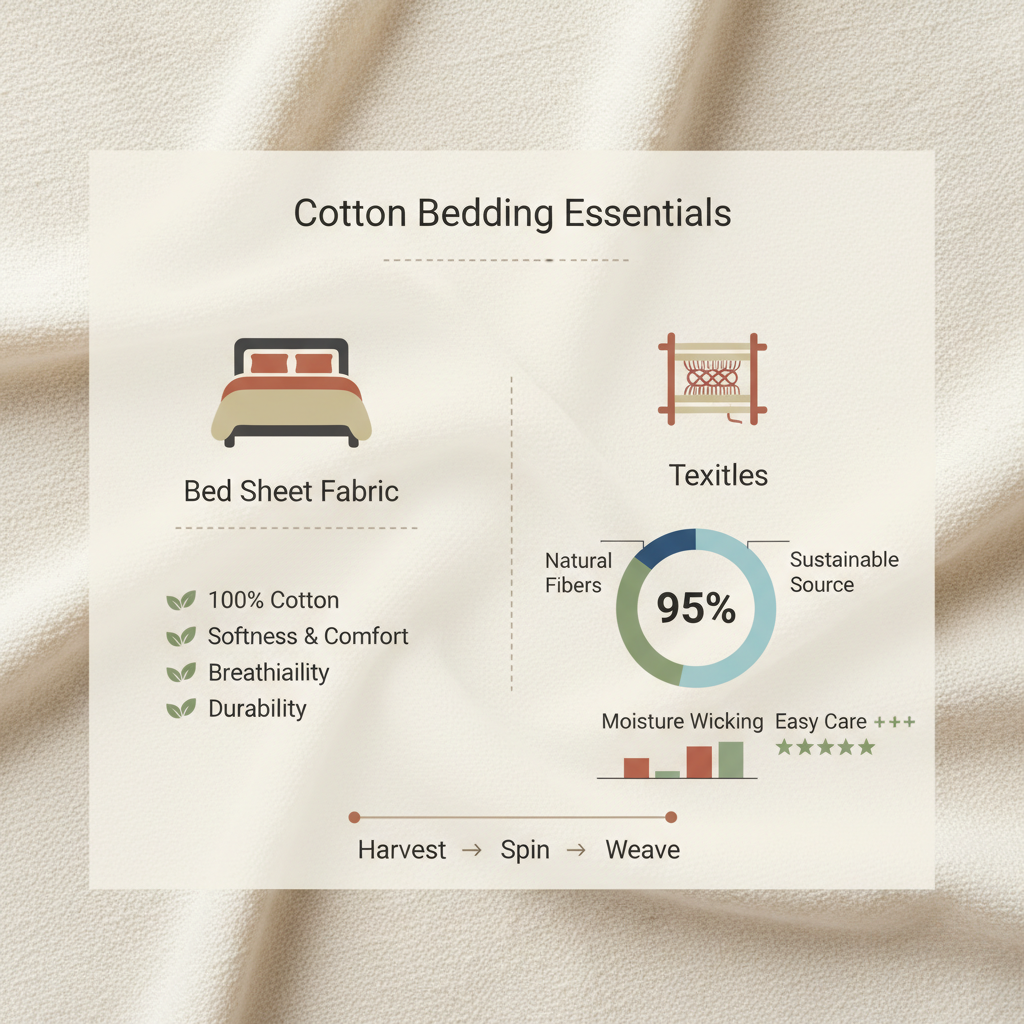
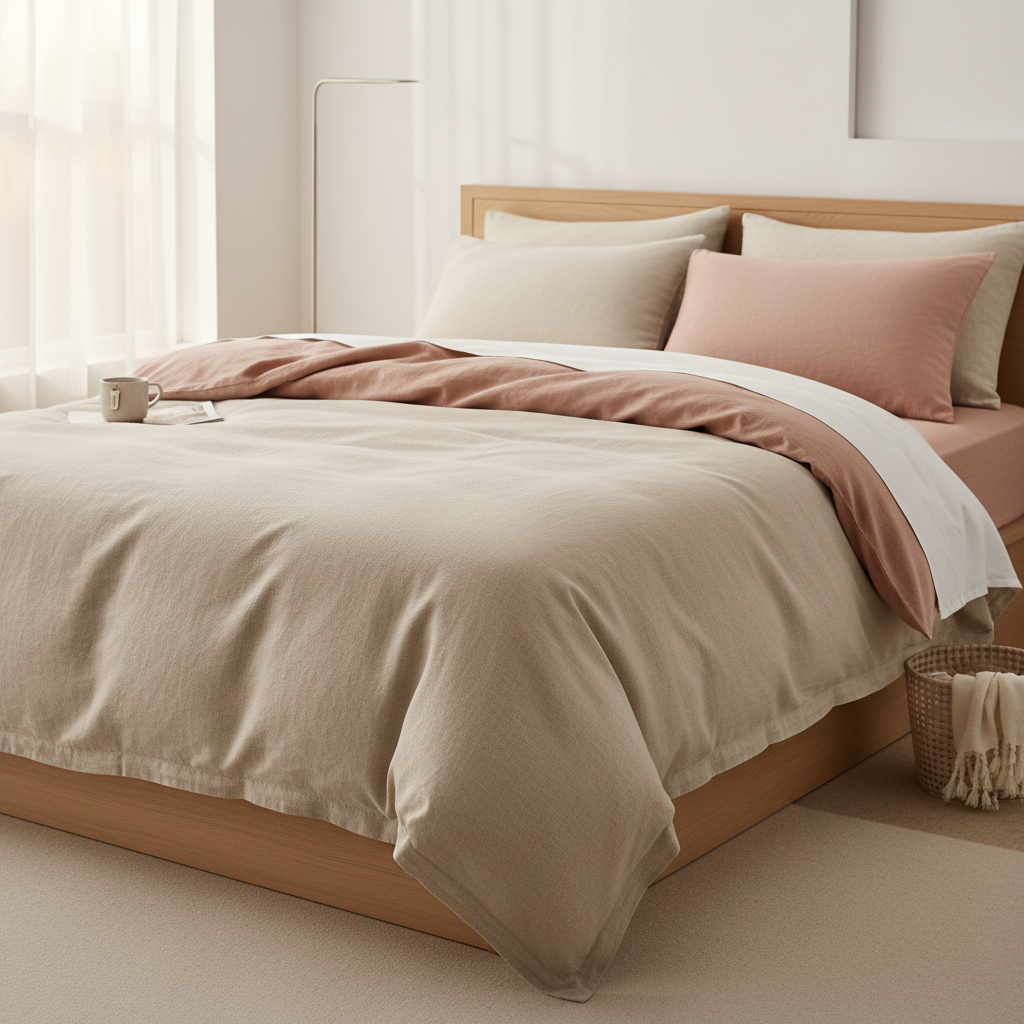
Look, after years on construction sites, knee-deep in dust and dealing with real-world problems, you quickly learn what matters. And what matters most when it comes to bedding – especially for crews working long hours in tough conditions – is durability, comfort, and washability. That's where a good bedding set cotton comes into play. It’s not just about a good night’s sleep; it's about recovery, morale, and frankly, keeping guys healthy and productive. We've tried everything, from the cheapest options to fancy synthetics, and consistently come back to well-made cotton.
You’d be surprised how much a consistent, quality rest setup impacts a project. Guys notice. A consistently comfortable bed, using a bedding set cotton, shows respect for the team, and that translates to better work. It's also about practicality; construction sites are brutal on fabrics. We need something that can withstand constant washing, resist tearing, and hold up to the general wear and tear of a mobile workforce. Forget about anything delicate – it just won't last.
And it’s not just for large sites either. Even smaller renovation crews benefit from reliable bedding. Finding a solid, practical bedding set cotton doesn't have to break the bank, and the long-term gains in worker satisfaction and reduced replacement costs make it a smart investment. I've seen too many projects stalled because guys are exhausted and irritable. A little comfort goes a long way.
The Practicality of bedding set cotton on Site
You learn quickly on a site that fancy doesn't cut it. A bedding set cotton needs to work. It needs to handle constant use, frequent washing (and I mean frequent – dust, grime, you name it), and the general roughhousing that happens when you’ve got a crew living in close quarters. That means thinking about thread count, weave, and how it’s constructed. You can’t just grab the cheapest option and expect it to hold up.
I’ve seen guys use their own bedding, and it’s usually a disaster. Either it gets ruined quickly, or they’re constantly complaining about being uncomfortable. Providing a standard, durable bedding set cotton eliminates that problem. It’s a small thing, but it makes a big difference in morale.
Understanding Cotton Weaves for Durability
Now, not all cotton is created equal. Percale is a good starting point – it’s a plain weave, so it’s tight and durable. Sateen is softer, but it doesn’t hold up as well to heavy use. For construction, I’d always lean towards percale or a blend that includes polyester for added strength. Think about it like choosing plywood; you need something that can withstand the stress.
We've experimented with different thread counts, and honestly, above 200-250, you're paying for diminishing returns in a construction setting. The higher thread counts tend to be more delicate. The key is a tight weave that resists tearing and abrasion. A heavier weight cotton is generally a better bet.
Another thing to consider is the finish. Look for bedding that’s pre-shrunk and has been treated to resist wrinkles. That saves time and effort for the laundry crew (and keeps the beds looking presentable).
Washability and Maintenance Considerations
Let’s be real: construction bedding gets dirty. It needs to be able to withstand industrial washing machines and harsh detergents. That’s why choosing a bedding set cotton with a good colorfastness rating is crucial. You don't want colors fading or bleeding after just a few washes.
I always recommend having a clear washing protocol in place. That includes sorting bedding by color, using a heavy-duty detergent, and washing at a high temperature to kill any bacteria. Also, invest in a good commercial dryer. Getting the bedding fully dry is essential to prevent mildew.
Regular inspections are also key. You'll quickly identify any bedding that's starting to wear out and needs to be replaced. It’s cheaper to replace a few sets proactively than to deal with widespread discomfort and hygiene issues.
Cost Analysis: Long-Term Value of Quality bedding set cotton
I've seen project managers try to save money on bedding, and it always backfires. Buying cheap bedding means replacing it more often, which ultimately costs more in the long run. It also creates extra work for the site staff and can lead to worker dissatisfaction.
A good bedding set cotton is an investment, not an expense. It’s like buying good tools; they last longer, perform better, and ultimately save you money. You need to factor in the cost of replacement, laundry expenses, and the impact on worker productivity when making your decision.
Cost Comparison: bedding set cotton Options
Global Sourcing and Supply Chain Realities
These days, you have to think about where your bedding is coming from. Supply chains are complex, and you need to make sure you’re working with a reliable supplier who can deliver on time and consistently. We’ve had issues with delays and quality control when sourcing from certain regions.
I always prioritize suppliers who are transparent about their manufacturing processes and who adhere to ethical labor standards. It’s not just about the bottom line; it’s about doing the right thing.
Impact on Worker Wellbeing and Productivity
Look, construction is a demanding job. Workers are on their feet all day, dealing with physical labor and stressful conditions. A good night’s sleep is essential for their wellbeing and productivity. It's not just about feeling rested; it's about reducing the risk of accidents and improving morale.
Providing comfortable bedding set cotton is a simple way to show your workers that you care about their wellbeing. It’s a small investment that can have a big impact.
Future Trends in bedding set cotton for Construction
I'm seeing a growing demand for sustainable bedding options. Workers are becoming more aware of the environmental impact of their choices, and they’re looking for products that are made from eco-friendly materials. We’re exploring options like organic cotton and recycled polyester.
Another trend is the use of antimicrobial fabrics. This can help to prevent the spread of bacteria and reduce the risk of infections, which is particularly important in a construction environment.
Technology is also playing a role. We’re starting to see bedding with built-in sensors that can track sleep quality and provide personalized recommendations.
Analysis of Key bedding set cotton Attributes for Construction Use
| Attribute |
Importance to Construction Crews |
Typical Rating (1-10) |
Cost Impact (Low/Medium/High) |
| Durability |
Critical - Constant use and washing. |
9 |
Medium |
| Washability |
Essential - High levels of dirt and grime. |
8 |
Low |
| Comfort |
High - Impacts rest and recovery. |
7 |
Medium |
| Cost |
Important - Budget constraints. |
6 |
High |
| Sustainability |
Increasingly important - Corporate responsibility. |
5 |
Medium |
| Antimicrobial Properties |
Beneficial – Reduces risk of illness. |
4 |
High |
FAQS
You don’t need super high thread counts for a construction site. Anything above 200-250 is usually overkill. Focus on a tight weave and durable fabric. A good 200 thread count percale will hold up much better to industrial washing and constant use than a delicate 600 thread count sateen. We're looking for practicality, not luxury.
It depends on usage and washing frequency, but generally, you should inspect bedding every 6-12 months and replace any sets that are showing significant wear and tear. Look for fraying, thinning fabric, or permanent stains. Proactive replacement prevents discomfort and hygiene issues.
Industrial washing is key. Sort by color, use a heavy-duty detergent, and wash at a high temperature (at least 60°C or 140°F) to kill bacteria. Make sure it's thoroughly dried afterward to prevent mildew. Avoid using fabric softeners, as they can reduce the absorbency of the cotton.
That depends on your company’s values and budget. Organic cotton is more sustainable, but it’s also typically more expensive. It might be a good option if you’re committed to environmental responsibility. However, regular durable cotton is perfectly acceptable if cost is a major concern.
A cotton-polyester blend (around 65% polyester, 35% cotton) generally offers the best combination of durability, wrinkle resistance, and cost-effectiveness. The polyester adds strength and reduces shrinkage, while the cotton provides comfort and breathability.
Look for bedding that has been pre-shrunk and has a good colorfastness rating (often indicated on the packaging). Wash bedding in cold water with a color-safe detergent, and avoid using bleach. Investing in higher-quality dyes will also help prevent fading over time.
Conclusion
Ultimately, choosing the right bedding set cotton for a construction crew isn’t about luxury—it's about practicality, durability, and respecting the hard work these folks do. It’s about finding a balance between comfort, cost, and the ability to withstand the rigors of a demanding environment. It’s a small investment that can pay big dividends in worker wellbeing and productivity.
Don't cut corners on something so fundamental. Prioritize quality, look for reliable suppliers, and establish clear washing protocols. A good night’s sleep shouldn’t be a luxury for construction workers; it should be a standard. And remember, a well-rested crew is a safer, more efficient, and more productive crew. Visit our website to explore our range of durable and cost-effective bedding solutions: www.linenhometex.com