
Elevate Your Dining Experience with Luxurious Clothe Napkins Linen Fabric
Mar . 17, 2026 01:55 Back to list
Elevate Your Dining Experience with Luxurious Clothe Napkins Linen Fabric
Elevate Your Table Setting with Linen Napkins: A Guide to Fabric and Style
Creating a beautiful and inviting table setting is about more than just the food; it's about the details. And few details make as much of an impact as the choice of clothe napkins linen fabric. Linen napkins offer a luxurious feel, exceptional absorbency, and a timeless aesthetic. This article will explore the benefits of linen napkins, different fabric weights, care instructions, and how to choose the perfect style to complement your dining experience. From casual brunches to formal dinners, linen napkins add a touch of sophistication and elegance to any occasion.
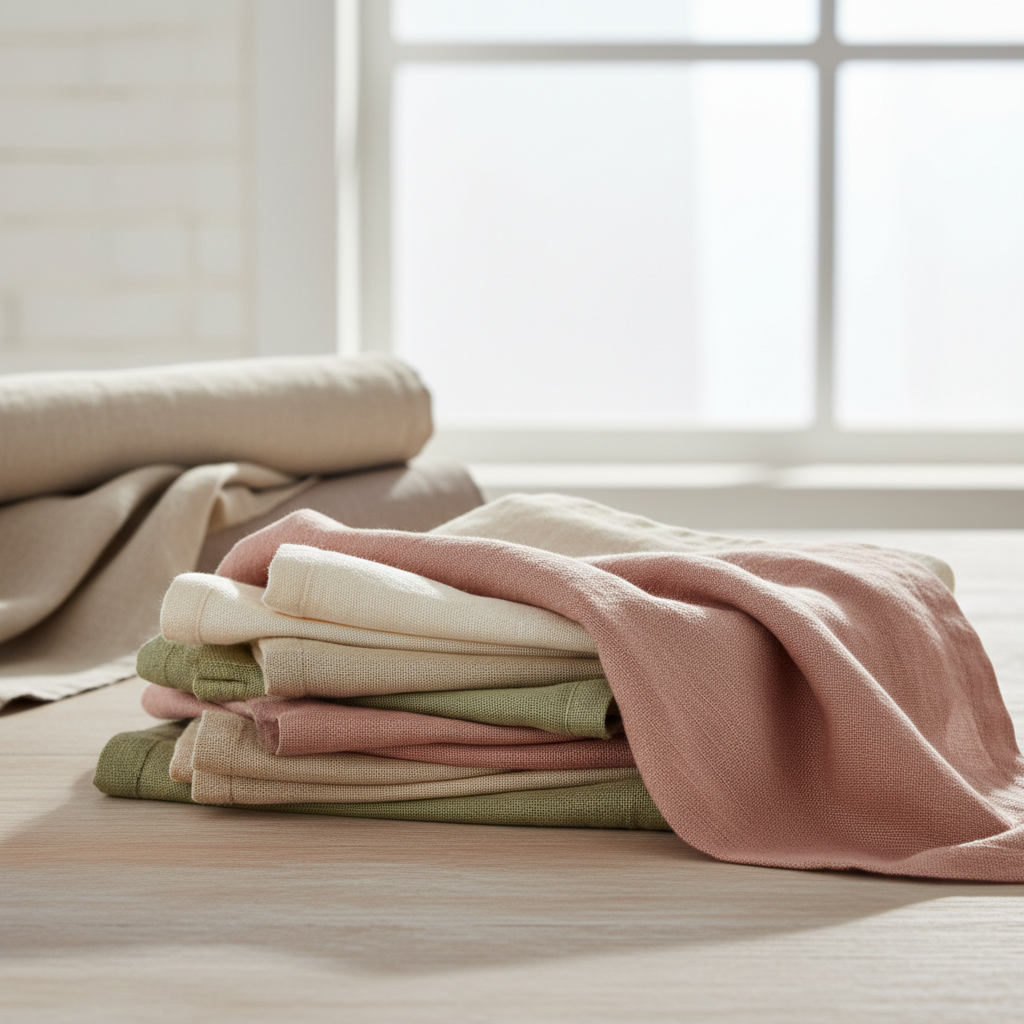
Why Choose Linen Napkins? The Benefits Explained
Compared to other fabrics like cotton or polyester, linen offers a unique set of advantages. Linen fibers are incredibly strong and durable, meaning your napkins will withstand countless washes and remain looking beautiful for years. It's also highly absorbent, making it ideal for spills and messes. Beyond practicality, linen has a natural texture and drape that adds a touch of rustic elegance to your table. Furthermore, linen is an environmentally friendly choice, as it's made from flax plants which require less water and pesticides than cotton. Choosing linen fabric for napkins is an investment in quality, sustainability, and style.
Key Benefits: Exceptional durability, superior absorbency, natural texture, environmentally friendly, and timeless elegance.
Understanding Linen Weight: GSM and Its Importance
Linen weight is measured in GSM (grams per square meter), which indicates the density of the fabric. A higher GSM means a heavier, more durable napkin, while a lower GSM results in a lighter, more delicate feel. For everyday use, a linen napkin with a GSM of 150-180 is a good choice. For more formal occasions or a luxurious feel, opt for a GSM of 200 or higher. Consider how the napkin will be used when choosing the weight. A heavier linen will hold its shape better and be more absorbent, while a lighter linen will be softer and more pliable.
Linen Weight Guide:
• 150-180 GSM: Everyday use, lightweight & breathable
• 180-200 GSM: Versatile, good for casual & semi-formal settings
• 200+ GSM: Formal occasions, luxurious feel, highly absorbent
Linen Napkins vs. Cotton Napkins: A Detailed Comparison
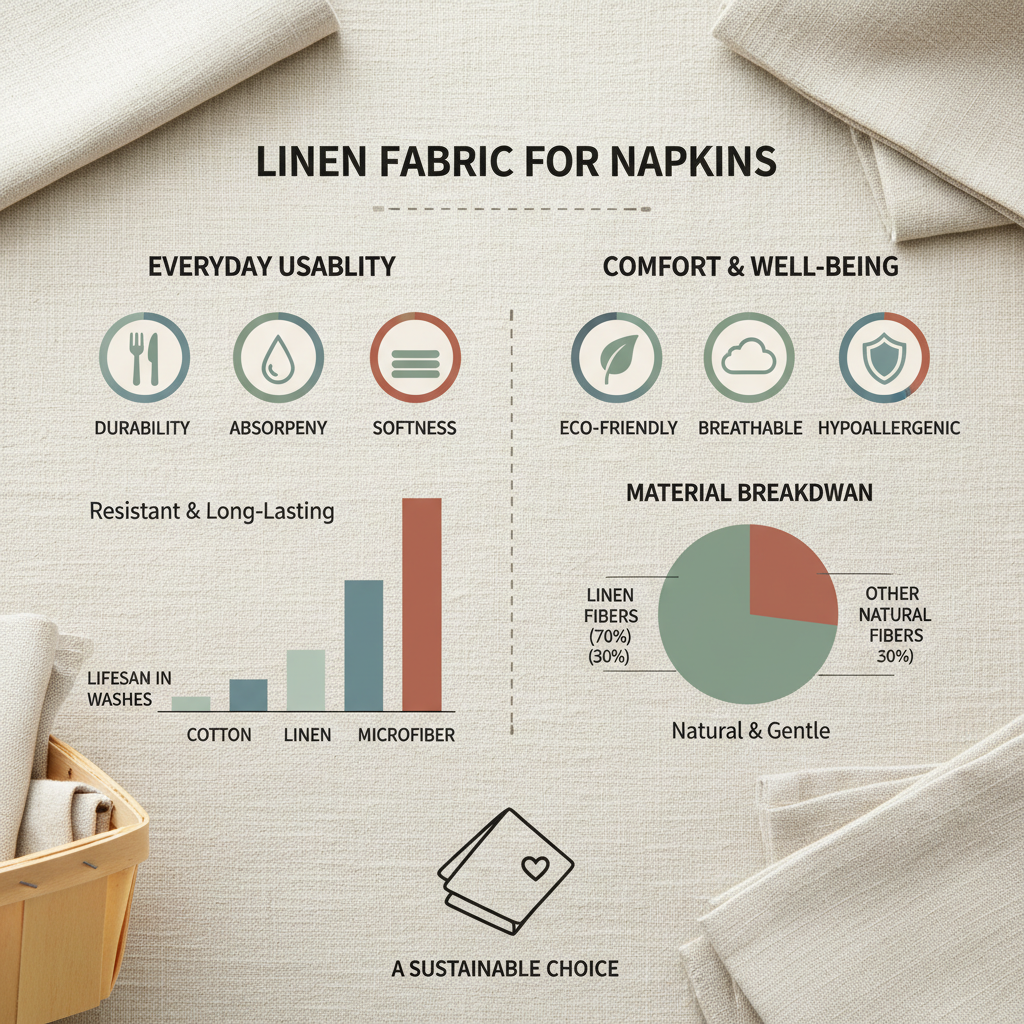
While both linen and cotton are popular choices for napkins, they have distinct differences. Linen is stronger, more absorbent, and more durable than cotton. It also wrinkles more easily, which is often seen as part of its natural charm. Cotton is softer and less expensive than linen, but it doesn't have the same luxurious feel or longevity. Consider your priorities when making your decision. If you value durability, absorbency, and a sophisticated aesthetic, linen is the way to go. If you're looking for a budget-friendly option that's soft and easy to care for, cotton might be a better fit. Linen napkins, despite the initial investment, offer long-term value.
Caring for Your Linen Napkins: Washing and Ironing
Proper care will ensure your linen napkins remain beautiful for years. Machine wash in cool or lukewarm water with a mild detergent. Avoid using bleach, as it can damage the fibers. Tumble dry on low heat or, even better, hang to dry. Linen wrinkles easily, but this is part of its charm. If you prefer a crisp, smooth look, iron while the napkins are still slightly damp. Always check the care label for specific instructions. Investing in quality clothe napkins linen fabric is a commitment to enduring style and elegance.
Conclusion: A Touch of Timeless Elegance
Investing in linen napkins is a simple yet impactful way to elevate your dining experience. Their durability, absorbency, and natural beauty make them a worthwhile addition to any home. Choose the weight and style that best suits your needs and enjoy the timeless elegance that linen brings to your table.
Frequently Asked Questions (FAQs)
How often should I wash my linen napkins?
You should wash your linen napkins after each use, especially if they've been used for messy meals. Regular washing helps prevent stains from setting and keeps them fresh and clean. However, linen is a durable fabric and can withstand frequent washing without significant wear and tear. Avoid overwashing with harsh detergents, as this can eventually damage the fibers.
Do linen napkins shrink when washed?
Linen can shrink slightly upon its first wash, typically around 3-5%. This is normal and expected. To minimize shrinkage, wash in cool or lukewarm water and avoid hot water. Tumble drying on low heat can also help reduce shrinkage. Pre-washing your linen napkins before hemming them can also help account for any potential shrinkage.
What is the best way to iron linen napkins?
The best way to iron linen napkins is while they are still slightly damp. Use a medium-hot iron and iron on the reverse side of the fabric. A spray bottle with water can be used to dampen the fabric if it has dried. Linen can handle high heat, but it's always best to start with a lower setting and gradually increase the temperature if needed. Embrace the slightly wrinkled look of linen if you prefer a more relaxed aesthetic!
Where can I find high-quality linen napkins?
You can find a wide selection of high-quality linen napkins at LinenHomeTex. They offer a variety of sizes, colors, and weights to suit your needs. Their napkins are made from premium linen and are designed to last for years.
-
Elevate Your Dining Experience with Premium Modern Napkins
NewsApr.16,2026
-
How to create your own fabric napkins for custom dining guide
NewsApr.09,2026
-
Elegant Green Napkins for Wedding Linens and Styling Ideas
NewsApr.07,2026
-
Enhance Your Dining Experience with Luxurious Emerald Green Napkins
NewsApr.04,2026
-
Elevate Your Brand with Custom Linen Napkin with Logo Solutions
NewsMar.31,2026
-
Choosing The Ideal Napkins Fabric For Your Dining Needs And Preferences
NewsMar.28,2026