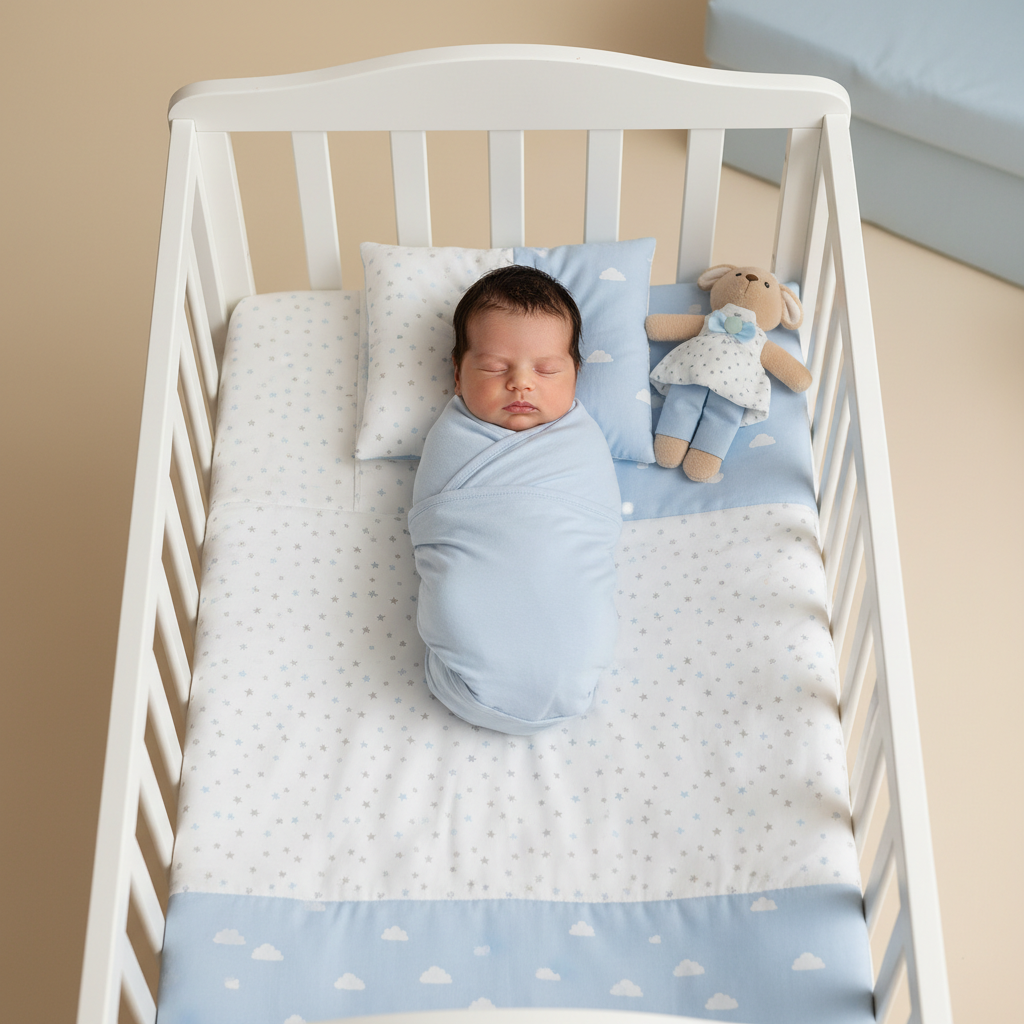
The gentle touch of a baby bedding set newborn is the first comfort a little one experiences outside the womb. Choosing the right bedding is paramount, not just for a peaceful night's sleep but also for ensuring a safe and healthy environment for delicate skin. From hypoallergenic materials to breathable designs, a well-chosen newborn bedding set contributes significantly to the overall wellbeing of a growing baby.
The global market for baby bedding is experiencing consistent growth, driven by increasing awareness among parents about the importance of sleep quality and safety. According to recent reports, the demand for organic and sustainable materials in baby products has surged, reflecting a broader trend towards eco-conscious consumerism. This shift presents both opportunities and challenges for manufacturers in the baby bedding industry.
Investing in a quality baby bedding set newborn is an investment in a baby's future, fostering healthy sleep patterns, reducing allergy risks, and providing a comfortable sanctuary for growth and development. Modern parents are increasingly seeking bedding options that align with their values—safe, sustainable, and stylish.
The Importance of Materials in baby bedding set newborn
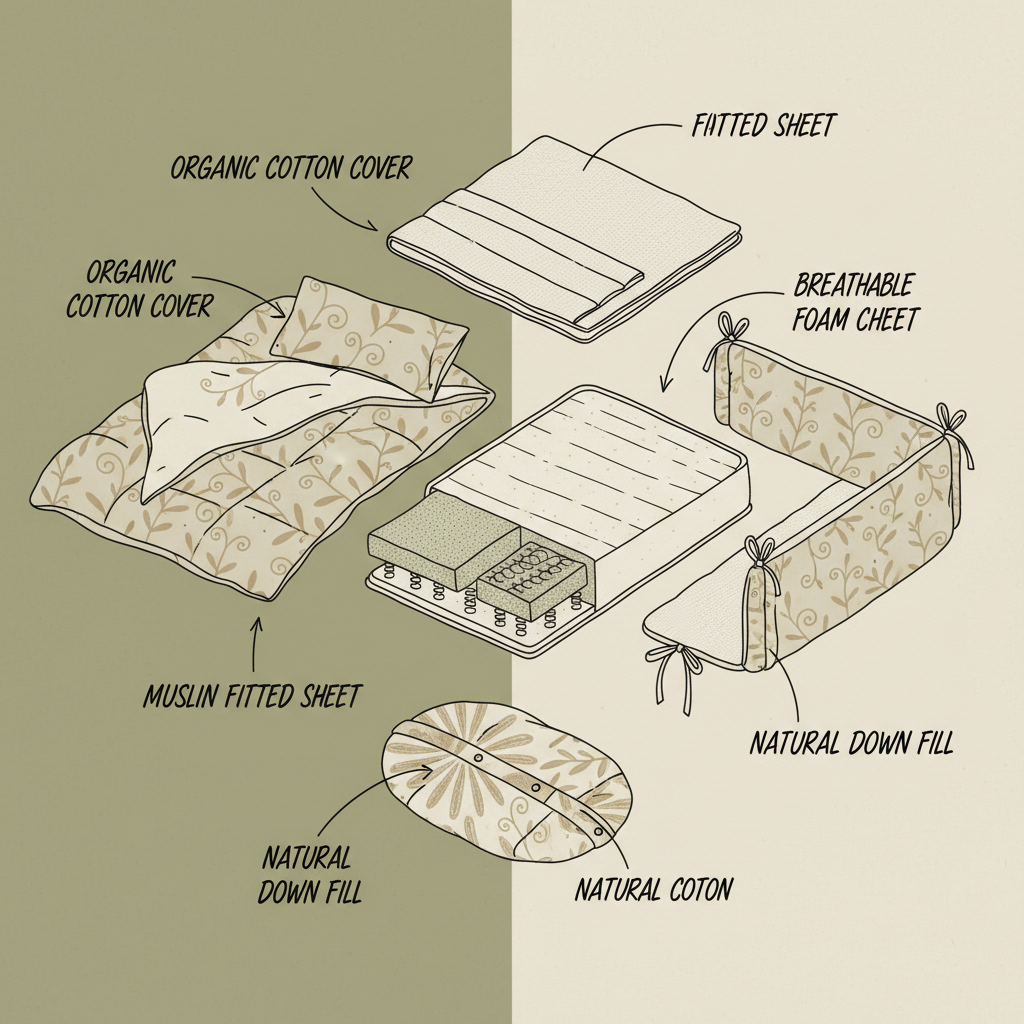
The materials used in a baby bedding set newborn are arguably the most critical aspect, directly impacting the baby's comfort, health, and safety. Materials like organic cotton, bamboo, and linen are favored for their softness, breathability, and hypoallergenic properties. Synthetic materials, while often cheaper, may lack these essential qualities and could potentially irritate a baby’s sensitive skin.
Specifically, consider the weave of the fabric. A tightly woven fabric offers more durability, while a looser weave provides better breathability. For instance, a muslin weave – often utilized in swaddles and lightweight blankets – is exceptionally breathable, making it ideal for warmer climates.
Safety Standards and Certifications for baby bedding set newborn
Safety is paramount when it comes to baby bedding set newborn. Reputable manufacturers adhere to strict safety standards, often confirmed by certifications like OEKO-TEX Standard 100, which ensures the absence of harmful substances. It's crucial for parents to look for these certifications when making a purchase.
Beyond material composition, design elements play a key role in safety. Avoid bedding sets with loose parts like ribbons, buttons, or excessive embellishments, as these pose a choking hazard. Fitted sheets should be securely elasticized to prevent slipping, minimizing the risk of suffocation.
Furthermore, be mindful of the flammability of the materials. While many baby bedding sets are treated with flame retardants, it’s important to research the safety of these treatments and consider natural, flame-resistant materials like wool or linen whenever possible.
Design Considerations for Optimal Comfort in baby bedding set newborn
Beyond safety, thoughtful design can significantly enhance a baby's comfort. A well-designed baby bedding set newborn takes into account the baby's developmental stage and needs. For instance, newborns benefit from swaddling blankets and fitted sheets that create a snug and secure feeling, mimicking the womb.
As babies grow, consider bedding sets that allow for more freedom of movement. Avoid overly thick quilts or comforters in the early months, as these can pose a suffocation risk. Instead, opt for lighter layers that can be easily adjusted to maintain a comfortable temperature.
Consider the climate when choosing a baby bedding set newborn. Breathable materials like linen and muslin are ideal for warm climates, while heavier fabrics like flannel or cotton fleece are better suited for colder temperatures.
Cost Analysis and Value Proposition of baby bedding set newborn
The price range of a baby bedding set newborn can vary significantly, depending on the materials used, the brand, and the complexity of the design. While cost is a factor, focusing solely on price can be misleading. A higher-priced set made from organic, hypoallergenic materials and bearing safety certifications often represents better value in the long run.
Consider the longevity of the set. Durable materials and quality construction mean the bedding will withstand repeated washing and use, potentially saving you money on replacements. The value proposition extends beyond the initial cost; it encompasses the benefits of a safer, more comfortable, and healthier sleep environment for your baby.
Comparative Cost and Features of baby bedding set newborn
Global Market Trends in baby bedding set newborn
The global market for baby bedding set newborn is currently witnessing a surge in demand for eco-friendly and organic options. Consumers are increasingly prioritizing sustainability and health, driving manufacturers to adopt environmentally responsible practices.
North America and Europe are leading markets, with a strong preference for high-quality, certified organic bedding. However, emerging markets in Asia-Pacific are experiencing rapid growth, fueled by rising disposable incomes and increasing awareness of baby care products.
Maintenance and Longevity of baby bedding set newborn
Proper maintenance is essential to prolong the life and maintain the hygiene of a baby bedding set newborn. Always follow the manufacturer’s care instructions, typically involving machine washing in cold water with a mild detergent.
Avoid using harsh chemicals or bleach, as these can damage the fibers and potentially irritate a baby's skin. Regularly air out the bedding and consider rotating sets to ensure even wear and tear.
Storing bedding properly when not in use is also important. Keep it in a cool, dry place away from direct sunlight to prevent fading and mildew.
Environmental Impact and Sustainability in baby bedding set newborn
The production of baby bedding set newborn, like any textile product, has an environmental impact. Conventional cotton farming, for example, relies heavily on pesticides and water resources. Choosing organic cotton, bamboo, or linen significantly reduces this impact.
Sustainable manufacturing practices, such as using low-impact dyes and minimizing water consumption, are also crucial. Look for brands that prioritize ethical and environmentally responsible production processes.
Consider the end-of-life disposal of the bedding. Opt for materials that are biodegradable or recyclable whenever possible, contributing to a circular economy.
Summary of Sustainable Practices in baby bedding set newborn Production
| Material Source |
Water Usage |
Chemical Impact |
Waste Management |
| Organic Cotton |
Lower than conventional cotton |
Minimal use of pesticides and fertilizers |
Biodegradable fibers |
| Bamboo |
Rapidly renewable resource |
Requires minimal chemical processing |
Compostable fibers |
| Linen |
Low water consumption |
Requires minimal pesticides |
Biodegradable and durable |
| Conventional Cotton |
High water consumption |
Extensive use of pesticides and fertilizers |
Slow decomposition |
| Polyester |
Low water consumption during production |
Derived from petroleum, potential chemical runoff |
Non-biodegradable |
| Recycled Polyester |
Reduced water consumption |
Reduces reliance on virgin petroleum |
May still be difficult to recycle |
FAQS
Organic cotton, bamboo, and linen are excellent choices for minimizing allergy risks in a baby bedding set newborn. These materials are naturally hypoallergenic and breathable, reducing the likelihood of irritation and skin reactions. Avoiding synthetic fabrics and dyes is also crucial, as these can often trigger allergic responses. Ensure the bedding is free from harsh chemicals and fragrances.
It's recommended to wash your baby bedding set newborn after every few uses, or immediately if soiled. Newborns have sensitive skin and are more prone to infections. Use a mild, fragrance-free detergent and wash in warm water. Always follow the care instructions provided by the manufacturer to maintain the quality and longevity of the bedding.
Pediatricians generally advise against using bumper pads in a baby bedding set newborn. They pose a suffocation hazard and haven't been proven to prevent injuries. A fitted sheet is the safest option for baby’s sleep environment. Consider using a breathable sleep sack instead of loose blankets for added warmth and safety.
Look for certifications like OEKO-TEX Standard 100, which ensures the absence of harmful substances in the bedding. GOTS (Global Organic Textile Standard) certification verifies that the materials are organically grown and processed. These certifications provide assurance that the baby bedding set newborn meets rigorous safety and environmental standards.
Always ensure that the fitted sheet fits the crib mattress snugly. Loose bedding can create a safety hazard. Measure your crib mattress before purchasing a bedding set newborn to confirm compatibility. Avoid using multiple layers of bedding, as this can increase the risk of overheating and suffocation.
Store your baby bedding set newborn in a cool, dry, and well-ventilated area, away from direct sunlight. A breathable storage bag, such as cotton, is preferable to plastic, which can trap moisture and encourage mildew growth. Ensure the bedding is completely clean and dry before storing it to prevent odors and bacteria buildup.
Conclusion
Choosing the right baby bedding set newborn is a significant decision that impacts a baby’s safety, comfort, and overall well-being. Prioritizing natural, hypoallergenic materials, adhering to safety standards, and considering thoughtful design elements are all crucial steps. By making informed choices, parents can create a nurturing sleep environment that promotes healthy development.
Looking ahead, the trend towards sustainable and eco-friendly baby products will continue to gain momentum. Investing in durable, high-quality bedding is not only beneficial for your baby but also contributes to a more responsible and sustainable future. Visit our website at www.linenhometex.com to explore our collection of premium baby bedding sets.