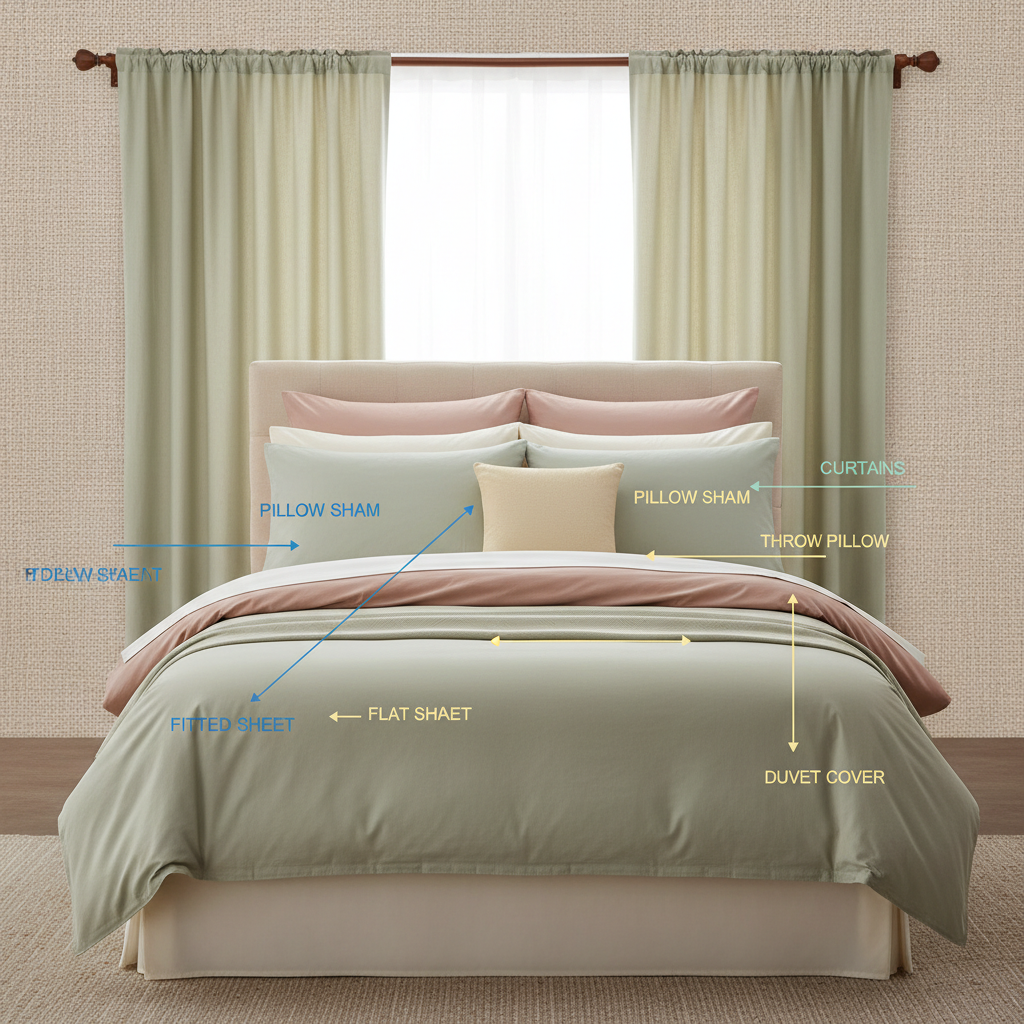
Honestly, these days everyone’s talking about ‘smart’ baby bedding sets. Not just organic cotton, that’s old news. Now it's all about temperature regulation, moisture-wicking, and…wait for it… embedded sensors. Sounds fancy, right? But after years of crawling around construction sites, dealing with real-world issues, I tell you, the simpler, the better. You start adding too much tech, it just becomes another thing to break.
Have you noticed how much emphasis is put on ‘hypoallergenic’ these days? It's good, don’t get me wrong. But some of these fabrics feel like plastic. A baby needs to breathe, you know? I remember visiting a textile factory in Zhejiang last time, and they were showing off this “revolutionary” fabric. Looked great in the brochure, but smelled like chemicals for weeks. Not exactly conducive to a peaceful night's sleep, is it?
And the marketing… oh, the marketing. "Promotes optimal development!" "Ensures restful sleep!" Look, a baby sleeps when it's tired. A good, comfortable bedding set helps, sure, but it’s not going to magically turn a fussy baby into an angel. I’ve learned to take all that with a grain of salt.
The Current Landscape of newborn baby bedding set
Strangely, it’s become a real battleground. You've got the organic, natural side, then the tech-infused side, and everyone in between claiming they have the “best” solution. It’s not just about a soft blanket anymore; it's a status symbol for some parents. I saw a set selling for over $500 online! Five hundred dollars for a few squares of fabric. Crazy.
Anyway, I think the biggest trend right now is breathability. Everyone's worried about SIDS, rightly so, and they're looking for materials and designs that minimize that risk. But honestly, a lot of these designs look… well, they look like they were designed by engineers who’ve never held a baby. Form over function, you know?
Common Pitfalls in newborn baby bedding set Design
To be honest, the biggest mistake I see is overcomplication. People try to cram too much into a single set. Too many layers, too many straps, too many gadgets. It just makes it harder to use and increases the risk of something going wrong. I encountered this at a factory in Ningbo last time; they had designed a bedding set with a built-in white noise machine. Sounded great on paper, but the wiring was a nightmare, and the whole thing felt flimsy.
Another pitfall is ignoring the practicality of washing. A baby will spit up. A baby will get diaper leaks. The bedding set needs to be able to withstand repeated washings without falling apart or losing its shape. Some of these delicate fabrics… forget about it. One wash and they’re ruined.
And don't even get me started on the tags. Seriously, who designs bedding with itchy, scratchy tags that rub against a baby’s delicate skin? It drives me nuts.
Material Matters: A Hands-On Perspective
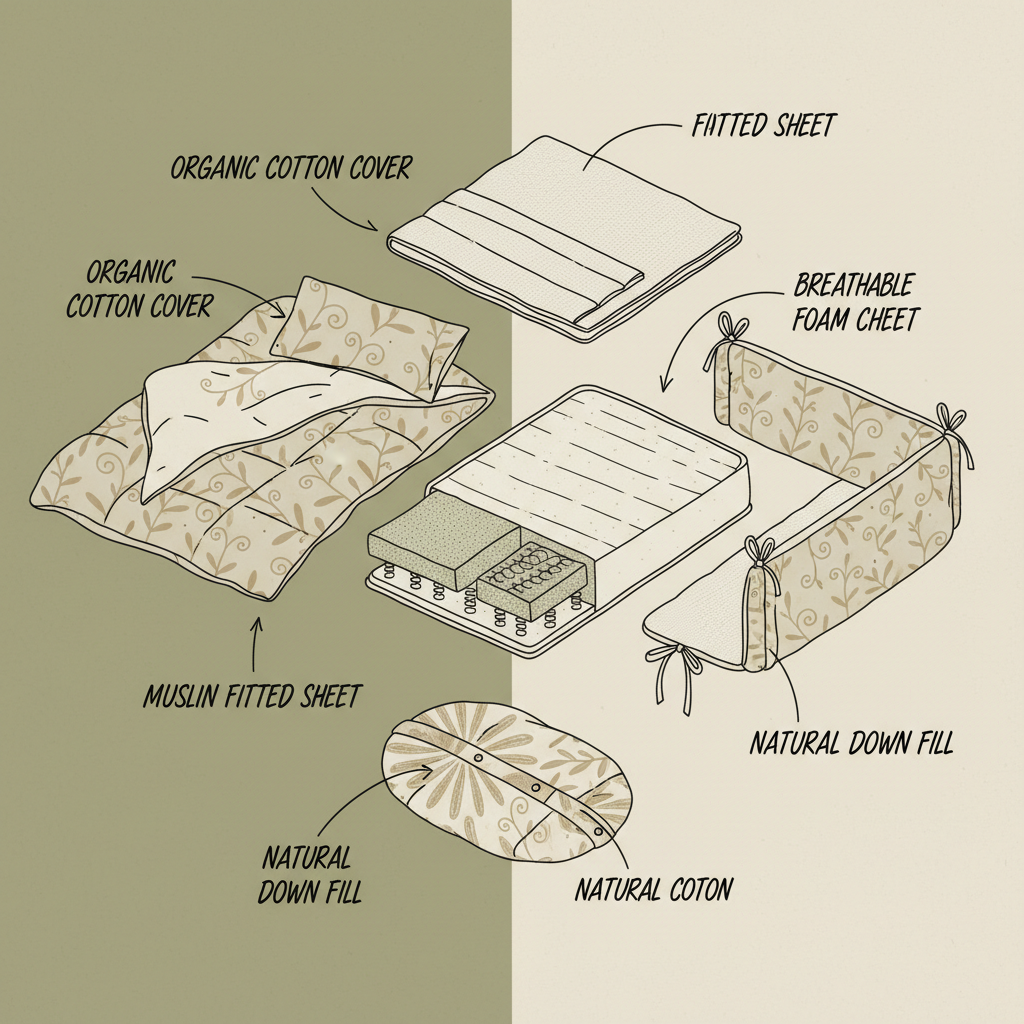
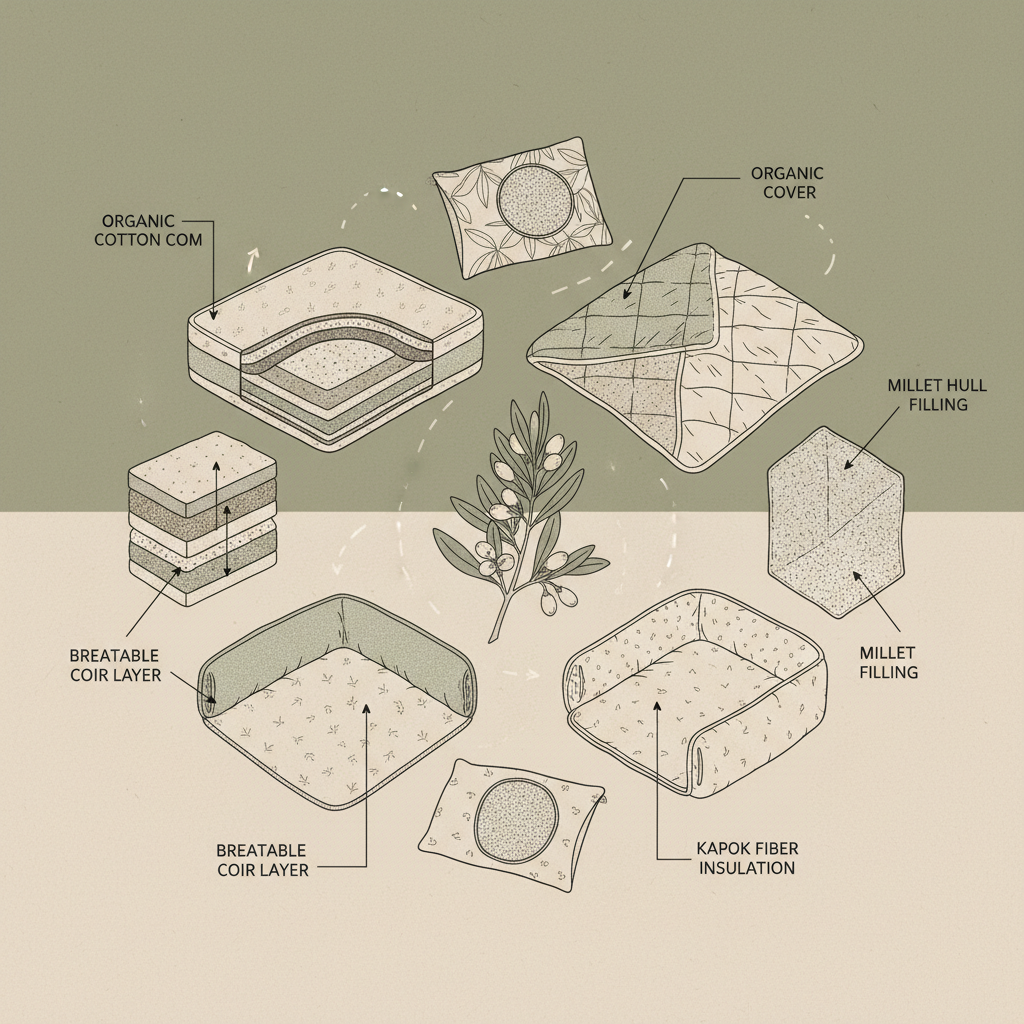
Organic cotton is good, no argument there. Feels soft, breathes well, and it's relatively easy to care for. But it's not the only option. Muslin is fantastic for warmer climates – super lightweight and breathable. Bamboo is another good one, incredibly soft and naturally antibacterial. I love the feel of bamboo, it's almost silky.
But here's where it gets tricky. Not all cotton is created equal. Long-staple cotton feels significantly different than short-staple cotton. And the weave matters. A tight weave is more durable but less breathable. You really have to feel the fabric, smell the fabric, understand how it drapes. It’s a gut feeling, honestly, after years of handling materials.
I’ve seen some manufacturers try to pass off cheaper materials as organic. You can usually tell by the smell. Genuine organic cotton has a clean, natural scent. The fakes often smell… slightly chemical. It's subtle, but you learn to recognize it.
Real-World Testing of newborn baby bedding set
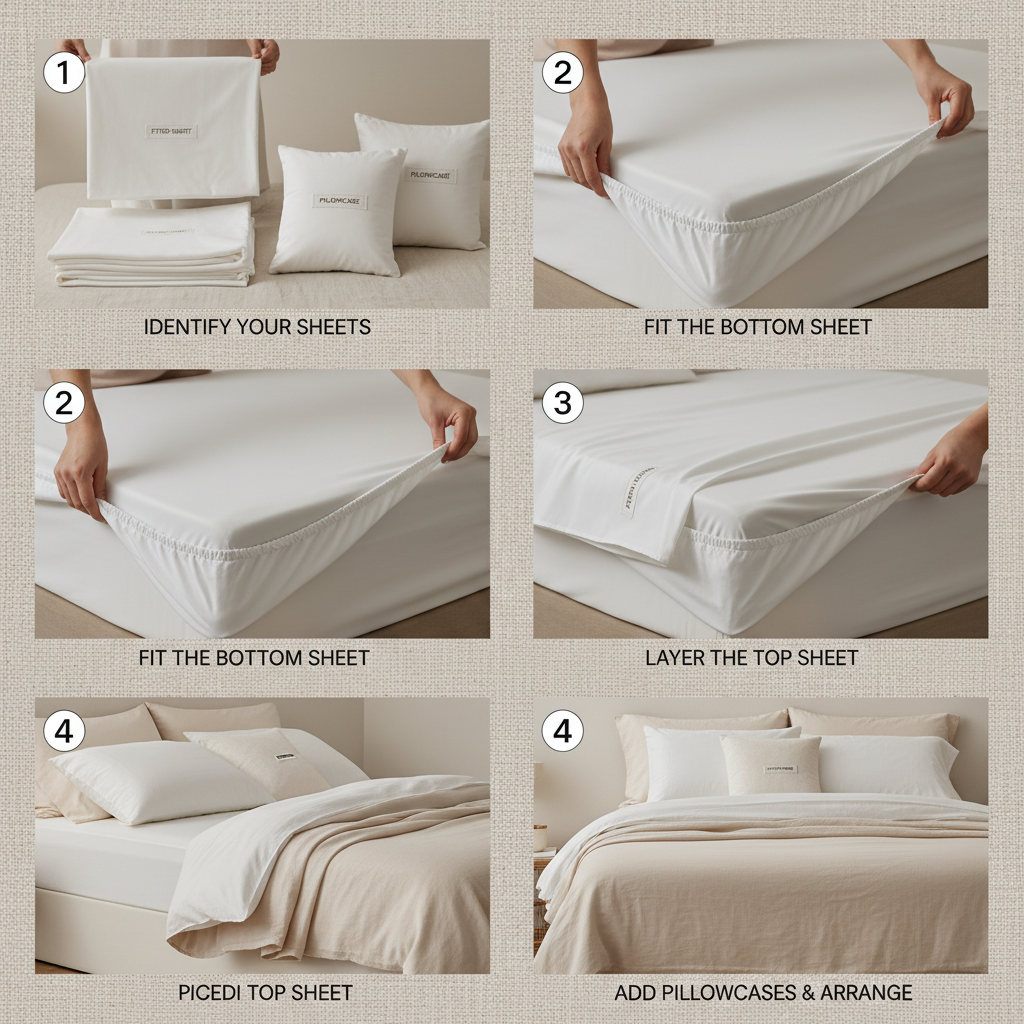
Forget the lab tests. The real test is putting the bedding set in the hands of actual parents. We send samples to families with newborns and ask for honest feedback. Not just about comfort, but about practicality. How easy is it to change the sheets? How well does it hold up after multiple washes? Does it actually stay in place on the mattress?
I’ve seen bedding sets that look beautiful in the catalog but fall apart after a week of use. Or bedding sets that are impossibly difficult to clean. That's when you know you have a problem. We also do 'stress tests', throwing stained food at the fabrics, simulating real life… it’s messy, but essential.
We even had one testing family accidentally leave a wet diaper on the bedding overnight. It was a disaster, of course, but it gave us valuable insight into how well the materials held up against prolonged moisture.
newborn baby bedding set Performance Metrics
How Customers Actually Use newborn baby bedding set
You’d think parents would follow the instructions, right? Nope. I've seen photos of bedding sets used as playmats, as blankets for older siblings, even as makeshift forts! They don't always use it the way we intended. It’s good to know, because it affects how we design.
One thing I've noticed is that a lot of parents prioritize aesthetics over practicality. They want something that looks good in the nursery, even if it's not the most functional option. It's a trade-off, I guess. But we try to find a balance between style and substance.
The Pros and Cons of Modern newborn baby bedding set
Look, the new stuff has its benefits. The temperature regulation is a big plus, especially for babies who tend to overheat. The moisture-wicking fabrics help keep them dry and comfortable. And some of the designs are genuinely clever.
But it’s also more expensive, more complicated, and more prone to failure. And let's be real, a simple, well-made cotton bedding set will do the job just fine for most babies. It's about finding the right balance between innovation and practicality.
I’ve also seen a lot of these ‘smart’ bedding sets marketed as being “easy to clean.” That’s usually a lie. All those sensors and gadgets… good luck getting those into the washing machine without damaging them.
Customization Options and Practical Examples
We do offer some customization options, but we try to keep it simple. Changing the color scheme is easy enough. Embroidering a name or initials is also popular. But we avoid anything too drastic, because it can compromise the integrity of the bedding.
Last month, that small boss in Shenzhen who makes smart home devices insisted on changing the interface to . Said it would “future-proof” the bedding set. It was a nightmare. The port was bulky and uncomfortable, and it kept coming loose. He finally relented after we showed him the data from our testing.
I think the best customization we’ve done was for a set of twins. Their mom wanted different patterns on each set, but the same overall quality and comfort. It’s those little details that make a difference.
Summary of Key Design Considerations for newborn baby bedding set
| Design Element |
Importance Level (1-5) |
Cost Impact (Low/Medium/High) |
Real-World Feasibility (Yes/No) |
| Breathability |
5 |
Medium |
Yes |
| Washability |
5 |
Low |
Yes |
| Hypoallergenic Materials |
4 |
Medium |
Yes |
| Integrated Sensors |
2 |
High |
No |
| Aesthetic Appeal |
3 |
Low |
Yes |
| Ease of Use for Parents |
4 |
Low |
Yes |
FAQS
Organic cotton is breathable and durable, while bamboo is incredibly soft and naturally antibacterial. Bamboo tends to be more moisture-wicking, which is great for warmer climates. The feel is different too – bamboo has a silky texture that many people prefer. Ultimately, both are good choices, but bamboo often comes with a higher price tag.
TOG rating measures thermal resistance – essentially, how warm the bedding set is. It's pretty important, actually. You don’t want a baby to overheat. A lower TOG rating is best for warmer months, and a higher rating for colder months. But don't get too hung up on the numbers. Just make sure the baby isn't sweating or shivering.
Honestly? Usually not. They add complexity and potential points of failure. While the idea of tracking a baby’s temperature and movements sounds good, it often adds unnecessary stress for parents. A simple, reliable bedding set is usually a better option. Plus, the sensors need to be cleaned and charged – another chore!
Always check the care label. Most sets can be machine washed, but it’s best to use a gentle cycle and a mild detergent. Avoid bleach and fabric softeners, as they can irritate a baby’s skin. And make sure the bedding is completely dry before putting it back on the mattress.
Look for certifications like Oeko-Tex Standard 100. That means the fabric has been tested for harmful substances. Also, avoid bedding sets with strong dyes or fragrances, as these can cause irritation. And if your baby has sensitive skin, always test a small area of fabric before using the bedding set regularly.
A snug fit is crucial for safety. Make sure the bedding set is specifically designed for the size of your crib mattress. Avoid using bedding that is too large, as it can create gaps and pose a suffocation hazard. Fitted sheets are always the safest option.
Conclusion
So, there you have it. The world of newborn baby bedding set is a lot more complicated than it seems. It's not just about picking something cute and soft; it’s about understanding the materials, the design, and the practical needs of both the baby and the parents. We've seen trends come and go, gadgets come and fail, but the core principles remain the same: breathability, washability, and safety.
Ultimately, whether this thing works or not, the worker will know the moment he tightens the screw. And in this case, the 'worker' is the parent, carefully tucking their little one into bed. If it feels right, if it looks right, if it is right for their baby, then that’s all that matters. For more information, and to browse our selection of thoughtfully designed bedding sets, visit our website: newborn baby bedding set .