The gentle embrace of a quilted baby play mat linen provides a safe and nurturing environment for early development. These mats aren't merely a soft surface; they represent a conscious choice by parents seeking natural, breathable, and hypoallergenic materials for their infants. Globally, there’s a growing awareness of the impact of materials on infant health, driving demand for sustainable and thoughtfully produced baby products. The quality and composition of these mats directly impact a baby's sensory exploration and motor skill development, making informed choices crucial.
The market for baby textiles, particularly those emphasizing natural fibers, is experiencing significant growth, fueled by increasing disposable incomes and a heightened focus on child well-being. According to recent market research, the global baby textile market is projected to reach \$45 billion by 2028, with a substantial portion dedicated to safe and comfortable play surfaces. This rise reflects a shift away from synthetic materials and towards options like linen, known for its durability and breathability. Understanding the benefits of a quilted baby play mat linen is, therefore, vital for both consumers and manufacturers.
A quilted baby play mat linen offers a unique blend of comfort, safety, and aesthetic appeal. Choosing the right play mat is an investment in a baby’s early years, contributing to a healthy and stimulating environment. It addresses concerns about harmful chemicals found in some synthetic materials, offering peace of mind to parents. The growing emphasis on eco-conscious parenting further elevates the value of these natural fiber options.
Introduction to quilted baby play mat linen
A quilted baby play mat linen is more than just a comfortable space for a baby to play; it’s a carefully constructed item designed with the infant’s safety and development in mind. The quilting process itself adds a layer of cushioning and structural integrity, while the choice of linen as the primary material offers numerous advantages. These mats are becoming increasingly popular as parents prioritize natural and hypoallergenic options for their little ones.
The demand for quilted baby play mat linen is fueled by a broader trend toward eco-conscious consumerism. Parents are increasingly aware of the potential health risks associated with synthetic materials and are actively seeking alternatives that are gentle on their baby’s skin and better for the environment. This demand is driving innovation in textile production, with a focus on sustainable sourcing and ethical manufacturing practices.
Defining Quilted Baby Play Mat Linen
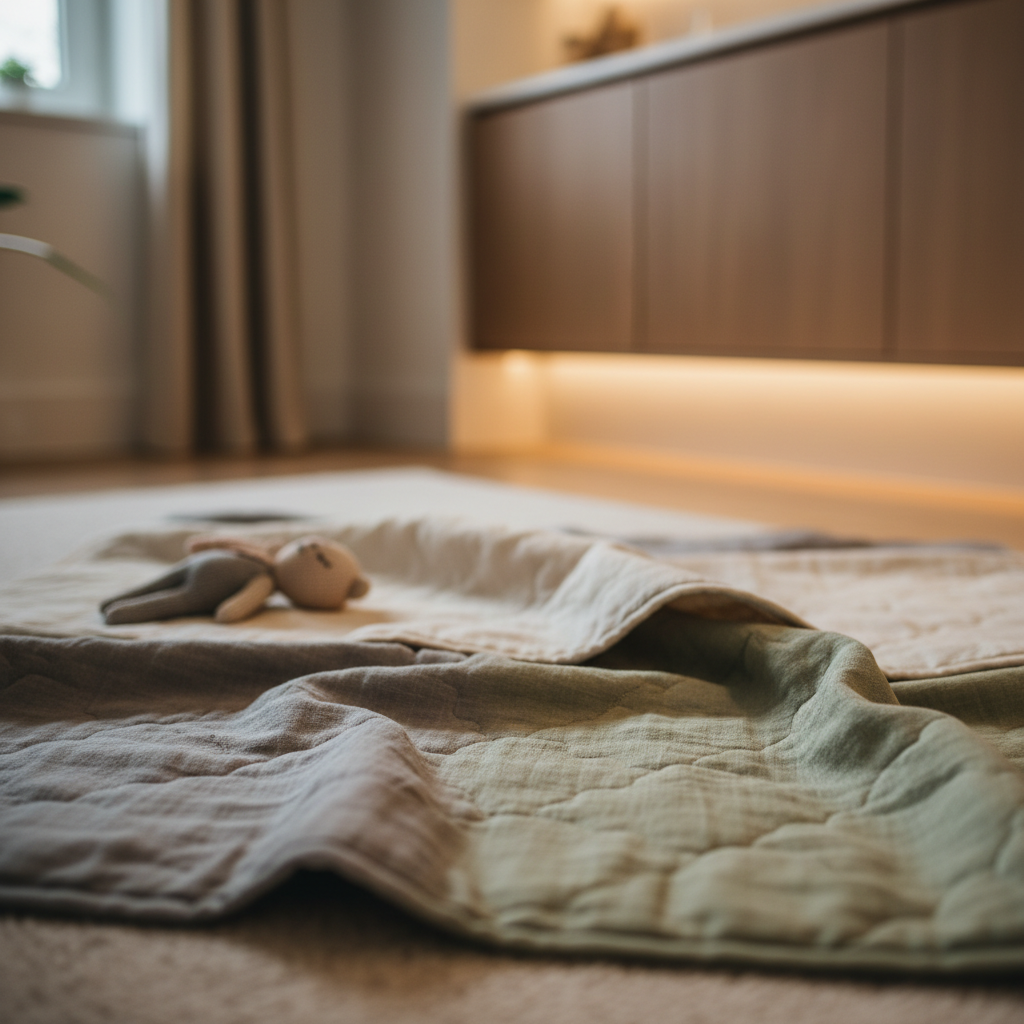
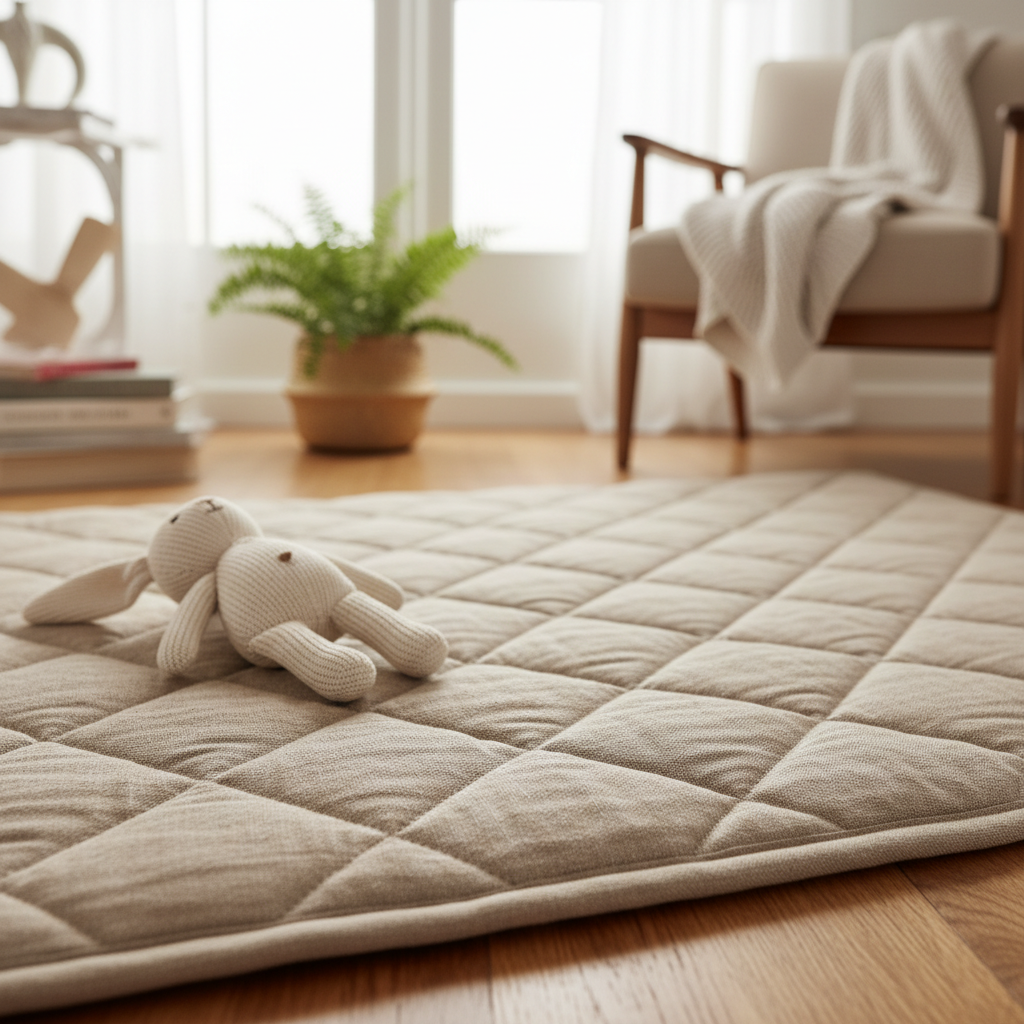
A quilted baby play mat linen is a padded mat crafted from layers of linen fabric, stitched together in a decorative pattern – the quilting. The linen itself is derived from the flax plant, a resilient and sustainable crop. This natural fiber is renowned for its breathability, durability, and hypoallergenic properties, making it an ideal material for baby products. The quilting process adds extra cushioning, providing a comfortable and safe play surface.
Unlike mats made from synthetic materials like polyester or vinyl, a linen play mat minimizes exposure to potentially harmful chemicals. Linen is naturally resistant to bacteria and mold, creating a more hygienic environment for infants. The quilted construction also helps to distribute weight evenly, reducing pressure points and promoting healthy development.
This type of play mat aligns with the principles of mindful parenting, prioritizing natural materials and minimizing exposure to toxins. It's a commitment to providing a healthy start for a baby, supporting their well-being from the earliest stages of development. The gentle texture and natural feel of linen contribute to a calming and sensory-rich environment for play.
Key Factors of Quilted Baby Play Mat Linen
Several key factors contribute to the quality and effectiveness of a quilted baby play mat linen. First is the quality of the linen fabric itself. Higher-grade linen is softer, more durable, and more breathable. The weave of the linen also plays a role, with tighter weaves offering greater support and stability.
Second, the quilting pattern and stitch density significantly impact the mat’s cushioning and structural integrity. More intricate quilting patterns and tighter stitches create a more secure and supportive surface. The type of thread used in the quilting is also important, with cotton or linen thread being preferable to synthetic options.
Third, the filling material used within the quilting layers influences the mat's overall comfort and support. Natural fillings like cotton batting or wool provide excellent cushioning and breathability. Fourth, hypoallergenic properties are crucial, ensuring the mat doesn’t trigger allergies or skin sensitivities in infants. Lastly, the mat's size and shape should be appropriate for the intended play space and the baby’s developmental stage.
Global Applications of Quilted Baby Play Mat Linen
Quilted baby play mat linen is gaining popularity across the globe, with significant demand in regions prioritizing natural and organic products. In Europe, particularly in countries like Germany, France, and the UK, there's a strong consumer base seeking eco-friendly baby items. North America also exhibits substantial growth, driven by a similar focus on sustainability and health.
The use of these mats extends beyond individual homes. Daycare centers and early childhood education facilities are increasingly adopting quilted linen play mats to create safer and more comfortable learning environments. Retailers specializing in organic baby products are expanding their inventory to meet the rising demand. In Japan, where minimalist design and natural materials are highly valued, quilted linen play mats are considered a premium baby essential.
Online marketplaces have played a crucial role in expanding the global reach of quilted baby play mat linen. E-commerce platforms allow small businesses and independent artisans to connect directly with consumers worldwide, bypassing traditional retail channels. This direct-to-consumer model fosters transparency and allows for greater customization and personalization.
Quilted Baby Play Mat Linen – Comparative Features
Advantages of Using Quilted Baby Play Mat Linen
The benefits of choosing a quilted baby play mat linen are multifaceted. Primarily, the natural properties of linen create a safer and healthier environment for infants. Linen is breathable, reducing the risk of overheating, and its hypoallergenic qualities minimize the potential for allergic reactions. This directly contributes to a baby's comfort and well-being.
Beyond health benefits, these mats offer superior durability. Linen is a remarkably strong fiber, capable of withstanding repeated use and washing. A well-made quilted linen play mat can last for years, making it a sustainable investment. The aesthetic appeal of linen – its natural texture and subtle elegance – also adds value, complementing a variety of nursery décor styles.
Future Trends in Quilted Baby Play Mat Linen
Looking ahead, several trends are poised to shape the future of quilted baby play mat linen. Increased emphasis on circularity and waste reduction will drive demand for mats made from recycled or upcycled linen fabrics. Innovation in textile technology will lead to the development of even softer and more durable linen blends.
Personalization will also become more prevalent, with consumers seeking mats customized with unique patterns, colors, or embroidered details. The integration of smart technologies, such as temperature sensors or embedded sensors for monitoring baby’s movements, could further enhance the functionality of these mats. The use of natural dyes and organic farming practices will also continue to grow in importance.
Challenges & Solutions for Quilted Baby Play Mat Linen
Despite its many advantages, quilted baby play mat linen faces certain challenges. The cost of high-quality linen can be relatively high compared to synthetic materials, making these mats less accessible to some consumers. Maintaining the linen's natural softness and preventing wrinkles requires careful washing and care.
Addressing these challenges requires innovative solutions. Exploring alternative linen sourcing options and promoting efficient manufacturing processes can help reduce costs. Providing clear care instructions and offering wrinkle-resistant linen finishes can simplify maintenance. Promoting the long-term value and durability of linen mats can justify the initial investment.
Furthermore, investing in research and development to create more sustainable and cost-effective linen production methods is crucial for ensuring the long-term viability of this eco-friendly option. Transparency in the supply chain and ethical manufacturing practices will also be essential for building consumer trust.
Summary of Challenges and Solutions for Quilted Baby Play Mat Linen
| Challenge |
Impact on Consumer |
Potential Solution |
Implementation Difficulty (1-5, 5 being hardest) |
| High Material Cost |
Reduced affordability for some families |
Explore alternative linen sources, optimize production |
3 |
| Wrinkling and Maintenance |
Perceived lower quality, inconvenience |
Develop wrinkle-resistant finishes, provide clear care instructions |
2 |
| Limited Availability |
Difficulty finding specific designs or features |
Increase production capacity, expand retail partnerships |
4 |
| Consumer Awareness |
Lack of understanding of linen’s benefits |
Educational marketing campaigns, highlight sustainability |
3 |
| Supply Chain Transparency |
Concerns about ethical sourcing and production |
Implement traceable supply chains, certifications |
5 |
| Competition from Synthetics |
Lower prices, wider availability of synthetic alternatives |
Emphasize long-term value, health benefits, and sustainability |
4 |
FAQS
A quilted baby play mat linen offers numerous benefits over synthetic options. Linen is a naturally breathable fiber, reducing the risk of overheating. It's also hypoallergenic, minimizing allergic reactions and skin irritations. Unlike synthetic materials, linen doesn't contain harmful chemicals and is biodegradable, making it a more sustainable choice. Its durability ensures a longer lifespan, reducing the need for frequent replacements.
Caring for your quilted baby play mat linen is relatively simple. Machine wash in cold water on a gentle cycle with a mild detergent. Tumble dry on low heat or hang to dry. Avoid using bleach or harsh chemicals, as these can damage the linen fibers. Ironing on a low setting can help reduce wrinkles, but is not always necessary. Regular washing will keep the mat fresh and hygienic.
Yes, quilted baby play mat linen is an excellent choice for babies with sensitive skin or allergies. Linen is naturally hypoallergenic and breathable, minimizing the risk of irritation. Its smooth texture is gentle on delicate skin. The natural fibers don't contain the chemicals found in many synthetic materials, reducing exposure to potential allergens.
For a small nursery, a quilted baby play mat linen measuring approximately 36 x 48 inches (91 x 122 cm) is often a good choice. This size provides ample space for tummy time and play without taking up too much floor space. Consider the available area and the baby’s developmental stage when choosing the right size. Smaller mats are also available for portability.
Look for certifications such as Oeko-Tex Standard 100, which ensures that the mat has been tested for harmful substances. Check if the manufacturer provides information about their linen sourcing practices and their commitment to sustainable agriculture. Choosing brands that prioritize ethical and environmentally responsible production is a good indicator of sustainability.
A high-quality quilted baby play mat linen, with proper care, can last for several years. Linen is a remarkably durable fiber that withstands repeated use and washing. The quilting adds structural integrity, preventing the mat from losing its shape or cushioning. With regular maintenance, it can even be used for multiple children, making it a worthwhile investment.
Conclusion
In conclusion, a quilted baby play mat linen represents a thoughtful investment in a baby's well-being and a commitment to sustainable living. From its natural breathability and hypoallergenic properties to its exceptional durability and aesthetic appeal, this type of play mat offers a multitude of benefits for both infants and parents. By prioritizing natural materials and mindful manufacturing, we can create a healthier and more nurturing environment for our little ones.
Looking ahead, the demand for quilted baby play mat linen is poised to continue growing as consumers become increasingly aware of the importance of eco-conscious choices. Supporting brands that prioritize ethical sourcing, sustainable production, and transparent supply chains is crucial for fostering a more responsible and sustainable baby product industry. For more information and to explore our collection, visit our website: quilted baby play mat linen.