Premium Sustainable Pure Flax Linen Curtain Fabric Custom Solutions
Selecting the right textile foundation for interior spaces requires a delicate balance between aesthetic vision and material performance. When designers and procurement managers look for high-end drapery solutions, the focus often shifts toward natural fibers that offer both longevity and environmental responsibility. Pure flax linen has emerged as the gold standard for those seeking a timeless, breathable, and sustainable alternative to synthetic blends.
For professionals in the hospitality and home décor sectors, the ability to specify exact weights, colors, and weaving patterns is critical to achieving a cohesive brand atmosphere. Whether it is for a luxury spa retreat or a modern residential project, utilizing a professional one-stop service—from raw material selection to finished product delivery—ensures that the final installation meets rigorous quality standards while supporting an eco-friendly supply chain.

The Technical Superiority of 100% Flax Linen in Modern Interiors
The inherent properties of pure flax linen make it an exceptional choice for high-traffic environments and luxury homes. Unlike synthetic polyester or standard cotton, linen is characterized by its superior strength and natural temperature-regulating capabilities. In the context of window treatments, this means the fabric can provide significant insulation during winter while remaining breathable and cool during summer months.
From a technical perspective, the weaving method—specifically the woven structure provided by skilled artisans—ensures that the fabric maintains its drape and structural integrity over time. A fabric weight of 170gsm is often recommended as it provides a sophisticated balance: it is substantial enough to offer privacy and durability, yet light enough to allow a soft, natural flow of light into a room. Furthermore, the use of non-toxic, OEKO-TEX certified dyeing processes ensures that the textiles are safe for sensitive skin and free from harmful chemical residues.
- Moisture Management: Natural wicking properties prevent dampness in humid climates.
- Durability: Linen fibers are among the strongest natural fibers, increasing in softness with every wash.
- Eco-Impact: Flax requires significantly less water and no pesticides compared to conventional cotton.

Application Logic for Hospitality and Wellness Environments
In luxury hotels and high-end spas, the tactile experience is a core component of the guest's perception of luxury. The transition from a therapeutic treatment to a relaxation phase is enhanced when guests are wrapped in materials that breathe and feel organic. This is where the application of pure linen becomes a strategic business decision rather than just a stylistic one.
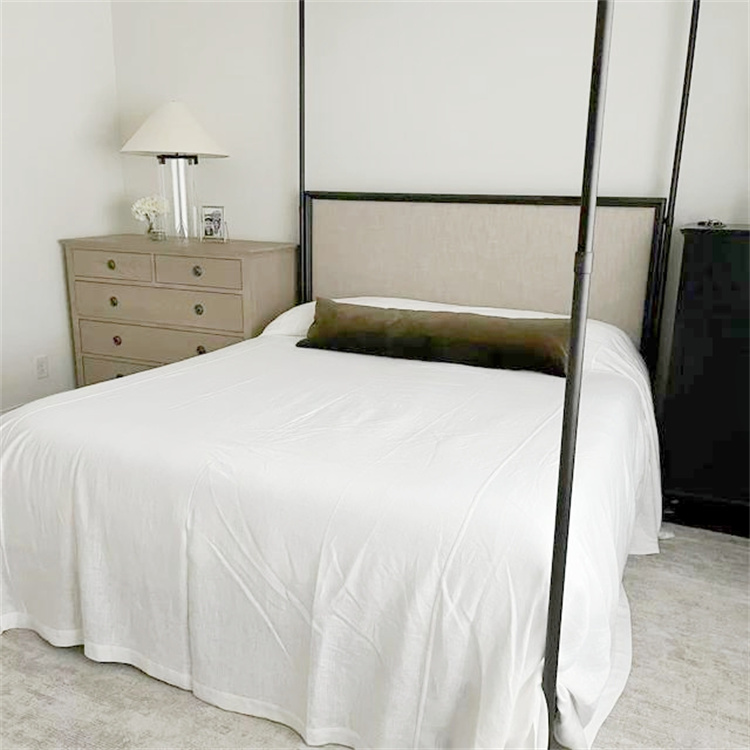
For spa operators, the moisture-wicking nature of linen is indispensable. It quickly absorbs moisture without the heavy, damp feeling associated with thicker terry cloth, making it ideal for post-sauna or post-massage use. In hotel suites, a minimalist white linen aesthetic aligns with Scandinavian or Mediterranean design trends, promoting a sense of tranquility and cleanliness. By integrating customized textile solutions, establishments can embed their brand identity through bespoke logos and specific color palettes while adhering to global sustainability certifications.
Strategic Procurement and Customization for B2B Buyers
Procuring textiles at scale requires a supplier that can handle the complexities of both raw material sourcing and finished garment production. The most efficient model for B2B buyers is the integrated one-stop service, which reduces lead times and minimizes the risk of quality variance between the fabric roll and the final sewn product.
When evaluating a supplier for curtain fabric custom projects, buyers should prioritize those offering both OEM and ODM services. This flexibility allows for the precise adjustment of sizes, colors, and branding. A professional manufacturing partner, such as one with a decade of experience in flax weaving, can provide the necessary transparency regarding the ethical sourcing of raw materials. This traceability is increasingly important for brands that market themselves as "green" or "sustainable," as it provides verifiable evidence of a low-carbon footprint and fair labor practices throughout the production cycle.
Material Performance and Application Matrix
| Performance Metric | Pure Flax Linen | Synthetic Blends | Standard Cotton |
|---|---|---|---|
| Breathability | Very High | Low | Medium |
| Environmental Impact | Low (Sustainable) | High (Microplastics) | Medium (Water Intensive) |
| Long-term Durability | Exceptional | Medium | Medium |
| Texture Feel | Organic/Textured | Smooth/Slippery | Soft/Flat |
| Moisture Wicking | High | Very Low | Medium |
Sustainable Manufacturing: From Seed to Finished Textile
The journey of a sustainable textile begins with the cultivation of flax. Unlike many commercial crops, flax is a hardy plant that thrives in cooler climates with minimal irrigation. The manufacturing process at a dedicated facility focuses on preserving these natural virtues. By utilizing renewable materials and adopting energy-efficient production processes, the environmental load is significantly reduced.
Quality control in a professional setting involves rigorous testing of the woven structure to ensure consistency across large batches. This is particularly crucial for commercial orders where uniformity is expected. From spinning the yarn to the final plain dyeing process, each step is monitored to prevent shrinkage and ensure color fastness. For clients seeking a bespoke look, the ability to customize everything from the weave density to the specific hue of the dye allows for the creation of exclusive product lines that stand out in a competitive market.
Future Trends in Eco-Conscious Home Textile Design
The textile industry is currently undergoing a shift toward "slow living" and conscious consumption. Consumers are moving away from disposable fashion and home décor, favoring heirloom-quality pieces that age gracefully. Pure linen fits perfectly into this trend, as it is a material that actually becomes more beautiful and supple with age and use.
We anticipate a growing demand for traceable textiles where the buyer knows the origin of the flax and the conditions of the factory. The integration of smart manufacturing—reducing waste through precise cutting and utilizing biodegradable packaging—will become a standard requirement for top-tier suppliers. For businesses, investing in these sustainable paths is not only an ethical choice but a commercial one, as modern consumers are increasingly willing to pay a premium for products that protect the planet's ecosystems.
Professional Insights on Linen Textiles FAQ
What makes 100% flax linen better than linen blends for high-end projects?
Pure flax linen provides superior breathability, natural temperature regulation, and a distinct organic texture that blends cannot replicate. While blends may be cheaper, they often introduce synthetic microplastics and lose the hypoallergenic properties of pure linen.
How does a fabric weight of 170gsm affect the drape of a curtain?
A 170gsm weight is considered a medium-light weight. It is ideal for creating a soft, elegant drape that allows some light filtration while maintaining enough substance to avoid looking flimsy, making it perfect for both residential and hotel settings.
Can pure linen withstand frequent industrial laundering in hotels?
Yes, pure linen is exceptionally durable. In fact, it is stronger than cotton and typically becomes softer and more supple after repeated washing, which reduces the replacement frequency and lowers long-term operational costs for hotels.
What certifications should I look for to ensure the fabric is eco-friendly?
Look for OEKO-TEX certification, which guarantees that the textile is free from harmful substances. Additionally, sourcing from suppliers who can prove the flax was grown without pesticides further ensures environmental sustainability.
What is the typical lead time for custom OEM/ODM textile orders?
Sample order lead times are typically around 5 to 7 days, while full production delivery generally ranges from 30 to 45 working days, depending on the complexity of the customization and the order volume.
Is pure linen suitable for all seasons?
Absolutely. Linen's natural thermal properties keep the skin cool in the summer through high breathability and help retain warmth in the winter, making it a versatile, year-round material for home and hotel textiles.
Technical Industry Resources
- OEKO-TEX Service - Textile Certification Standards
- Textile Exchange - Sustainable Fiber Guidelines
- European Flax - Traceability and Sustainable Cultivation
- ISO Standards for Textile Quality Management
Investing in premium, sustainably sourced linen is a commitment to both quality and the planet. By choosing integrated manufacturing services, businesses can ensure that every yard of fabric meets their exact specifications while contributing to a cleaner, more ethical textile industry.
Related Industry Developments