Sustainable Home Textiles and Cheap Curtain Quality Options
Finding a balance between cost-efficiency and textile quality is a primary challenge for procurement managers in the home decor sector. Whether sourcing for large-scale hospitality projects or retail distribution, the demand for affordable window treatments often leads to a compromise in durability and environmental standards. However, the integration of sustainable raw materials and optimized manufacturing processes now allows for the production of high-value textiles that remain accessible in price.
Our approach focuses on the intersection of eco-friendly fibers and precision craftsmanship. By leveraging integrated production—from raw material sourcing to the final stitch—we eliminate unnecessary middleman costs. This structural efficiency ensures that professional-grade window coverings, including those sought as a cheap curtain option, do not sacrifice the structural integrity or the aesthetic elegance required by the modern European and American markets.

Sustainable Material Sourcing and the Impact on Textile Longevity
The foundation of any premium home textile begins with the fiber. In the bedding and drapery industry, the transition toward biodegradable and recycled materials is no longer just a trend but a technical necessity. We prioritize natural flax, organic bamboo, and mulberry silk to ensure that products are not only safe for the end-user but also minimize the ecological footprint during production.
Using food-grade and eco-friendly materials prevents the off-gassing of harmful chemicals, a common issue in low-cost mass production. For instance, our commitment to renewable materials reduces resource consumption and environmental pollution while providing a healthier living environment. This dedication to raw material quality ensures that even our most budget-friendly lines maintain a sophisticated appearance and a tactile experience that rivals luxury brands.
- Organic Cotton & Bamboo: Breathable, hypoallergenic, and highly sustainable.
- Natural Flax Linen: Known for its durability, antibacterial properties, and classic texture.
- Recycled Fibers: Reducing landfill waste by integrating post-consumer textile waste into new fabric lines.

Engineering Precision: From Scalloped Edges to Structural Reinforcements
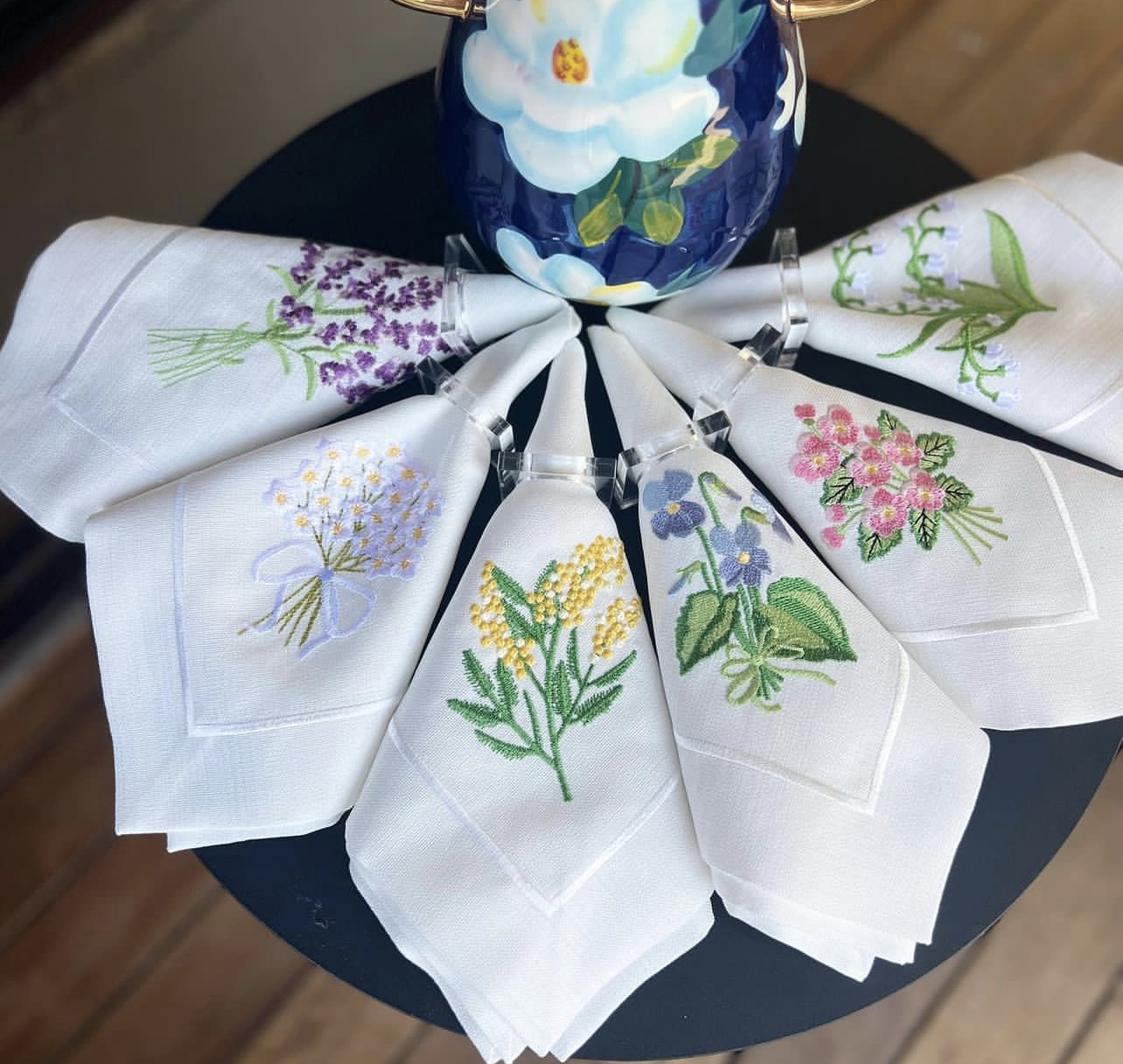
Manufacturing excellence is defined by the details that prevent premature wear. In our production line, we implement rigorous standards for edge finishing. For products like our embroidered napkins and window treatments, we utilize specialized curled edge designs and solid cross-stitching at the four corners. This engineering choice is specifically intended to prevent thread dropping, a frequent failure point in standard commercial textiles.
Our one-stop service allows for deep customization of fabric, colors, and styles. By controlling the entire process from the raw yarn to the finished product, we can implement pre-production sampling and final inspections that guarantee consistency across large batches. This prevents the variance in shading or dimensions that often plagues large-scale textile orders, ensuring that the finished goods meet the exact specifications of the buyer.
Strategic Procurement for Global Distribution Markets
For distributors in North America, Oceania, and Western Europe, the priority is a reliable supply chain that offers both moderate pricing and fast delivery. The complexity of international shipping requires a partner capable of handling diverse delivery terms, including FOB, CFR, CIF, and EXW. By optimizing our logistics and manufacturing workflow, we reduce lead times without compromising the quality of the final inspection.
When evaluating a supplier for window treatments or bedding, buyers should look beyond the initial quote. The true value lies in the R&D support provided to help new customers build a viable product line. Our capability to support both large and small batch customization allows brands to test new designs in the market before committing to massive volumes, thereby reducing financial risk and inventory overhead.
Technical Comparison of Sustainable Home Textile Fibers
| Material Type | Durability Level | Eco-Impact | Primary Application |
|---|---|---|---|
| Natural Flax Linen | High | Very Low | Premium Drapery & Napkins |
| Organic Bamboo | Medium-High | Low | Hotel Bedding & Sheets |
| Mulberry Silk | Medium | Low | Luxury Pillowcases |
| Organic Cotton | High | Medium-Low | Baby Bedding & Linens |
| Recycled Polyester | Very High | Medium | Budget Window Treatments |
Quality Assurance Protocols in Large-Scale Textile Manufacturing
Maintaining a "quality first" principle requires a systematic approach to inspection. Our facility employs a multi-stage quality gate system. First, a pre-production sample is mandatory for every custom order to align on color accuracy and fabric weight. Second, in-process checks monitor the tension of the sewing machines to ensure that scalloped edges and cross-stitched corners are uniform across thousands of units.
The final inspection before shipment is the most critical phase. This involves a comprehensive review of the goods against the approved sample. By focusing on these rigorous checkpoints, we ensure that our products, regardless of whether they are positioned as a cheap curtain or a luxury silk set, arrive at the client's warehouse free of defects and ready for immediate retail or installation.
The Future of Eco-Friendly Home Textiles and Market Trends
The home textile industry is moving toward a circular economy. The integration of renewable materials and environmentally friendly production processes is no longer optional for companies wishing to compete in the Western markets. We are seeing a significant increase in demand for "transparent sourcing," where buyers want to know the origin of the fiber and the ethical standards of the factory.
Looking forward, the focus will shift toward "smart" eco-fabrics—materials that are not only biodegradable but also offer enhanced performance, such as natural stain resistance or thermal regulation, without the use of synthetic chemicals. By continuing to innovate in our R&D and maintaining our commitment to the planet, we aim to provide the global market with products that enhance the home experience while protecting future ecosystems.
Frequently Asked Questions Regarding Textile Procurement
What is the benefit of using natural flax linen over synthetic blends?
Natural flax linen offers superior durability, natural antibacterial properties, and a higher degree of breathability. Unlike synthetic blends, it is fully biodegradable and provides a sophisticated, organic texture that is highly valued in the European and American markets.
How do you ensure quality consistency for large batch customizations?
We implement a strict two-step verification process: a mandatory pre-production sample for client approval and a comprehensive final inspection of all goods before shipment to ensure they match the approved prototype.
Can I customize the fabric, colors, and styles for my own product line?
Yes, we provide a one-stop integrated service that supports full customization of fabrics, colors, and styles for both large and small batches, assisting new customers in building their unique product lines through our R&D help.
What eco-friendly materials are used in your production process?
We utilize organic cotton, organic bamboo, natural flax, and recycled materials. Our goal is to create biodegradable and renewable textiles that reduce environmental pollution and protect human health.
Which delivery terms and payment methods do you support for international orders?
We accept delivery terms including FOB, CFR, CIF, and EXW. For payments, we support USD, EUR, and CNY via T/T, L/C, D/P, D/A, Credit Card, and Western Union.
How do you prevent fraying or thread dropping in your napkins and curtains?
We utilize a specialized curled edge design and reinforced solid cross-stitching at the corners, which ensures the product remains intact even after multiple uses and professional cleaning cycles.
Industry Technical References
- ISO Standards for Textile Quality Management
- Textile Exchange - Sustainable Fiber Standards
- OEKO-TEX - Certification for Harmful Substances
- International Trade Administration - Textile Export Guides
Choosing the right textile partner is about balancing technical specifications with ethical production. By focusing on sustainable raw materials and rigorous quality control, we help our clients deliver exceptional home experiences to their customers worldwide.
Related Industry Insights