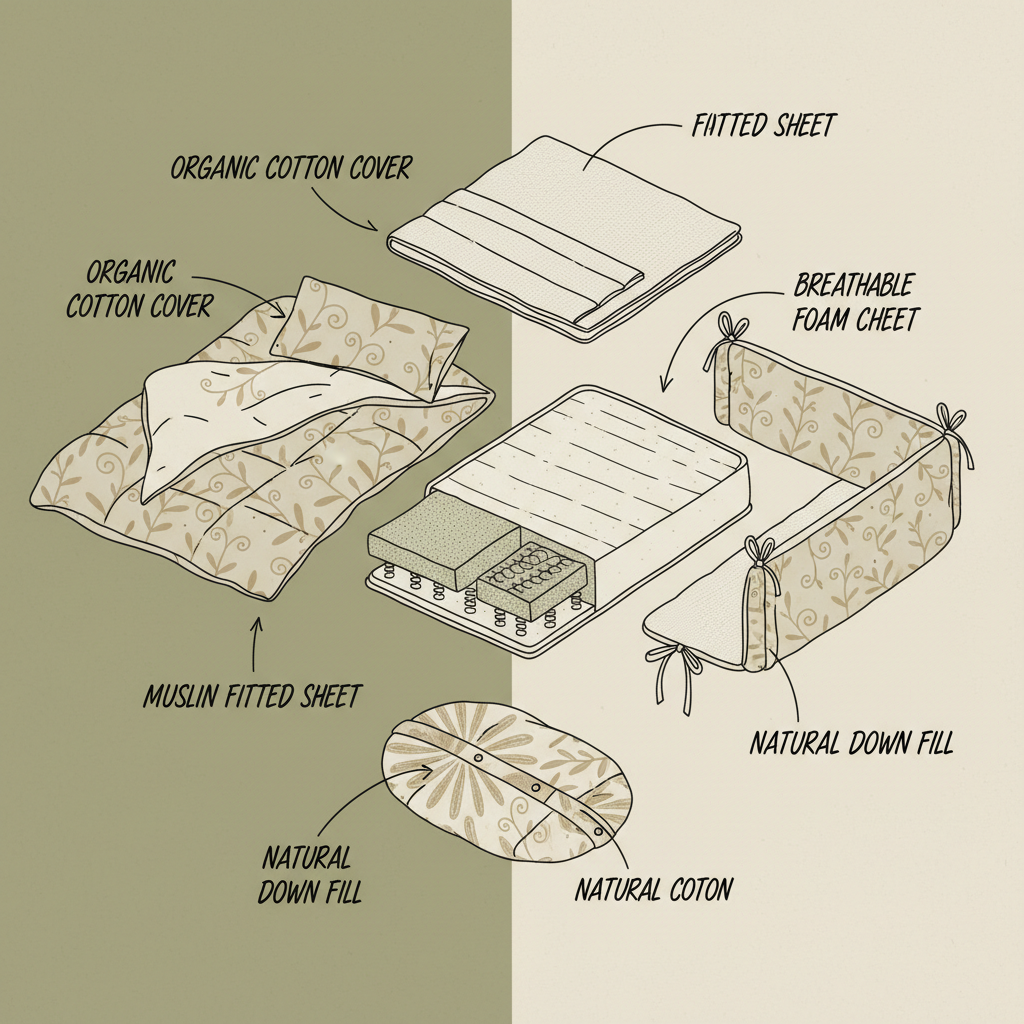

For B2B buyers in the hospitality, healthcare, and retail sectors, sourcing a good wholesale easy clean comforter duvet cover is not merely about aesthetics, but about balancing operational efficiency with guest comfort. In high-turnover environments, the ability to maintain hygiene through easy cleaning without sacrificing the textile's structural integrity is paramount for long-term profitability.
The commercial bedding market has shifted toward materials that reduce laundry costs and water consumption while meeting strict durability standards. Understanding the interplay between fabric weave, material origin—such as the use of natural fibers—and the specific needs of a commercial environment allows procurement managers to avoid the common pitfalls of low-quality bulk purchases that degrade after minimal industrial wash cycles.
This guide provides a technical and commercial framework for evaluating wholesale bedding suppliers. Readers will learn how to analyze fabric specifications, assess the sustainability of production processes, and establish a quality-control checklist that ensures the delivered products align with the operational requirements of professional lodging or home textile retail.
B2B Procurement Fundamentals for Bedding
Procuring linens at scale requires a transition from "consumer-grade" thinking to "industrial-grade" analysis. The primary challenge for B2B buyers is the total lifecycle cost. A cheaper initial unit price often hides higher operational expenses in the form of frequent replacements or excessive chemical use during cleaning. High-quality commercial duvet covers must withstand repeated high-temperature laundering and aggressive detergent cycles without pilling or thinning. This necessitates a deep dive into the yarn count, weave density, and the chemical finishing applied to the fabric. For instance, natural fibers like linen offer inherent breathability and strength, making them ideal for luxury segments where durability and a premium feel are non-negotiable. By focusing on the technical specifications of the raw materials, businesses can secure assets that maintain their appearance and functionality over hundreds of wash cycles, thereby reducing the overall replacement frequency.
Selecting High-Performance Duvet Covers
When evaluating bulk options, the decision process should be driven by a matrix of material performance, maintenance requirements, and supplier capabilities. The following seven dimensions provide a comprehensive framework for making an informed commercial investment in bedding textiles.
Material Durability and Composition
The choice of fiber directly impacts the lifespan of the product. Pure linen is highly regarded in the B2B sector for its exceptional tensile strength and resistance to abrasion. Unlike synthetic blends, high-grade natural fibers often become softer with use while maintaining their shape. For those seeking a good wholesale easy clean comforter duvet cover, verifying the percentage of pure fibers is critical to ensure the product does not shrink or warp under industrial heat.
| Material Type | Durability Level | Maintenance Effort | Primary Use Case |
|---|---|---|---|
| 100% Pure Linen | Exceptional | Moderate | Luxury Hotels & Resorts |
| Cotton-Linen Blend | High | Low | Boutique Guest Houses |
| Polyester Blend | Moderate | Very Low | Budget Accommodations |
| Pure Organic Cotton | Moderate | Moderate | Eco-conscious Retail |
| Bamboo Viscose | Low to Moderate | High | Specialty Wellness Spas |
| Tencel / Lyocell | Moderate | Moderate | Modern Urban Hotels |
Easy-Clean Technology and Maintenance
In commercial settings, "easy clean" refers to the fabric's ability to release stains and resist odors without requiring caustic chemicals. Woven fabrics with a tight, consistent structure prevent debris from embedding deep within the fibers. Professional suppliers often implement specific weaving techniques that facilitate faster drying times, which is a critical factor in reducing energy costs and increasing the turnover rate of linens in high-capacity laundry facilities.
Customization for Bulk Orders
Standard sizes often fail to meet the requirements of specialized bedding or unique mattress dimensions. A professional manufacturer, such as Linen Home, provides integrated customization services from raw material selection to finished styles. This allows B2B clients to specify exact colors, fabric weights, and dimensions, ensuring a perfect fit that prevents the duvet from shifting—a detail that significantly enhances the end-user's experience and perceived value.
Environmental Sustainability in Textiles
Sustainability is no longer optional; it is a commercial requirement. Utilizing renewable natural fibers and environmentally friendly production processes reduces the ecological footprint of the supply chain. By selecting eco-friendly fabrics, companies not only protect the ecosystem but also appeal to a growing demographic of environmentally conscious consumers who prioritize sustainable living and ethically sourced home textiles.
Quality Control and Inspection Standards
Bulk procurement risks are mitigated through rigorous inspection. Key checkpoints include seam strength, stitching consistency, and colorfastness. Buyers should demand sample testing to verify that the printing and weaving techniques can withstand repeated laundering. A reliable supplier will provide consistent quality across both small batch customizations and large-scale industrial orders to ensure uniformity across the entire facility.
Logistics and Lead Time Management
Supply chain reliability is as important as product quality. Understanding the timeline from sample approval (typically 5-7 days) to final delivery (often 25-30 days) is essential for inventory planning. Efficient logistics management ensures that new stock arrives before existing linens reach their end-of-life, preventing operational gaps in hotel or rental management.
Evaluating Total Cost of Ownership
The true cost of a duvet cover includes the purchase price, laundry energy, detergent consumption, and the cost of replacement. While pure linen may have a higher initial investment, its longevity and reduced need for chemical treatments often result in a lower cost per use over a three-year horizon compared to lower-grade synthetic alternatives.
FAQ
What makes a duvet cover "easy clean" for commercial use?
In a professional context, "easy clean" refers to fabrics that resist stain penetration and can be laundered at high temperatures without shrinking or losing color. Tightly woven natural fibers, such as high-quality linen, are effective because they are naturally durable and release dirt more efficiently during the wash cycle compared to loose-weave fabrics.
Can I customize the size and color for wholesale orders?
Yes, professional manufacturers typically offer full customization. This includes choosing the specific fabric weight, selecting custom colors or printed patterns, and defining exact dimensions to fit non-standard comforters. Integrated services allow buyers to control the process from raw material sourcing to the final finished product.
How does pure linen compare to cotton for bulk hospitality bedding?
Pure linen generally offers superior strength and longevity compared to cotton, making it more suitable for high-turnover environments. While cotton is soft, linen's resistance to abrasion and its ability to maintain structural integrity through hundreds of washes often make it a more sustainable and cost-effective choice for luxury B2B applications.
What is the typical lead time for large-scale customized bedding orders?
While lead times vary by order volume, a standard professional timeline involves 5-7 days for sample production and 25-30 days for final bulk delivery. This allows for rigorous quality checks and ensures that customized patterns or sizes are executed precisely according to the client's specifications.
Are eco-friendly fabrics as durable as traditional synthetic materials?
Actually, many natural eco-friendly fibers, particularly linen, are significantly more durable than synthetic alternatives. They offer better breathability and higher tensile strength, meaning they do not thin out as quickly. The transition to sustainable fabrics often improves the product's lifespan while reducing the environmental impact of the production process.
What should I check in a sample before placing a wholesale order?
Buyers should conduct a "wash test" by laundering the sample several times using their actual commercial detergents and temperatures. Check for shrinkage, color bleeding, and seam strength. Additionally, verify the fabric's hand-feel and ensure the print quality remains sharp and does not fade after the first few cycles.
References and further reading
- Textile Engineering and Commercial Laundry Standards - Industry Guide
- Sustainable Fiber Sourcing and Environmental Impact Report
- Hospitality Procurement: Lifecycle Analysis of Bedding Textiles
Related Articles